Miso Soba Noodle Soup With Homemade Kimchi
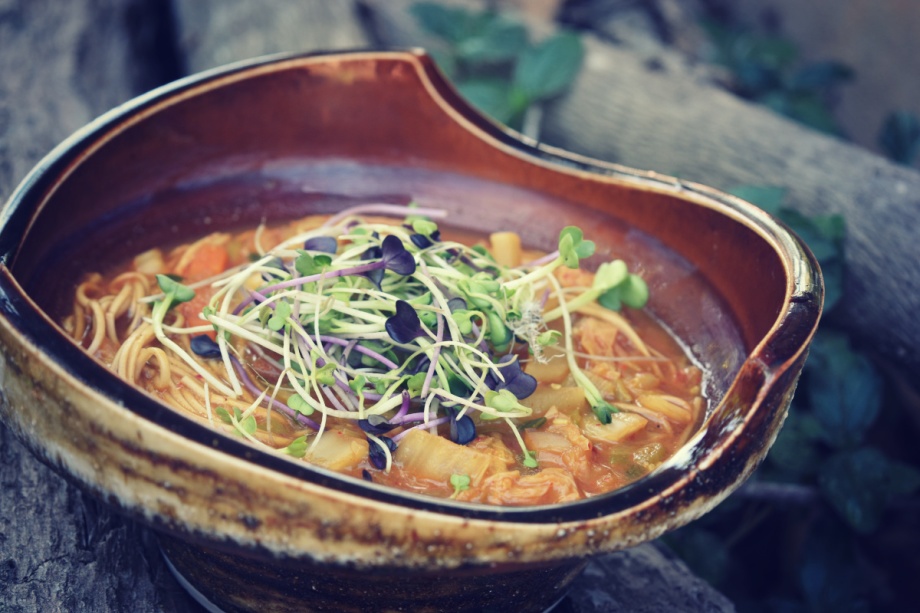
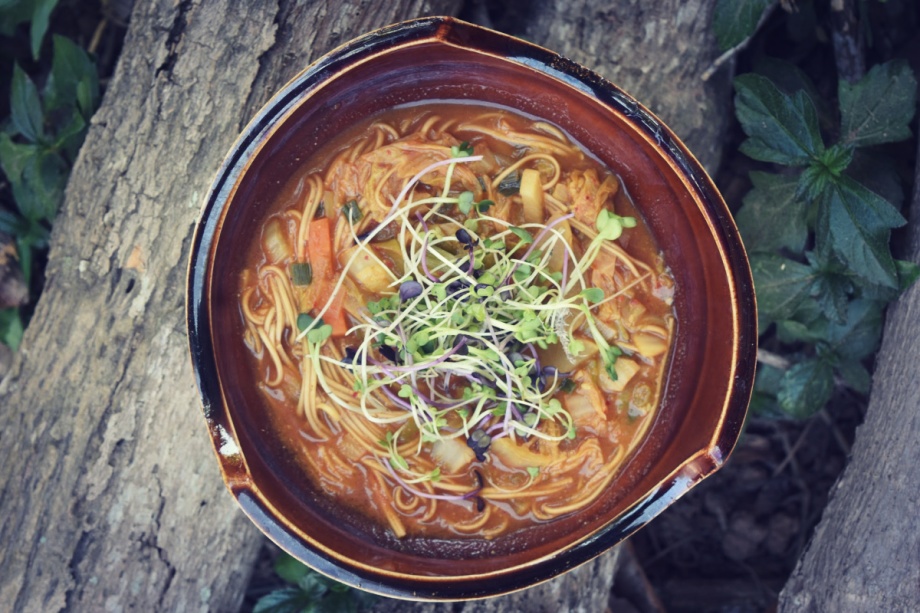
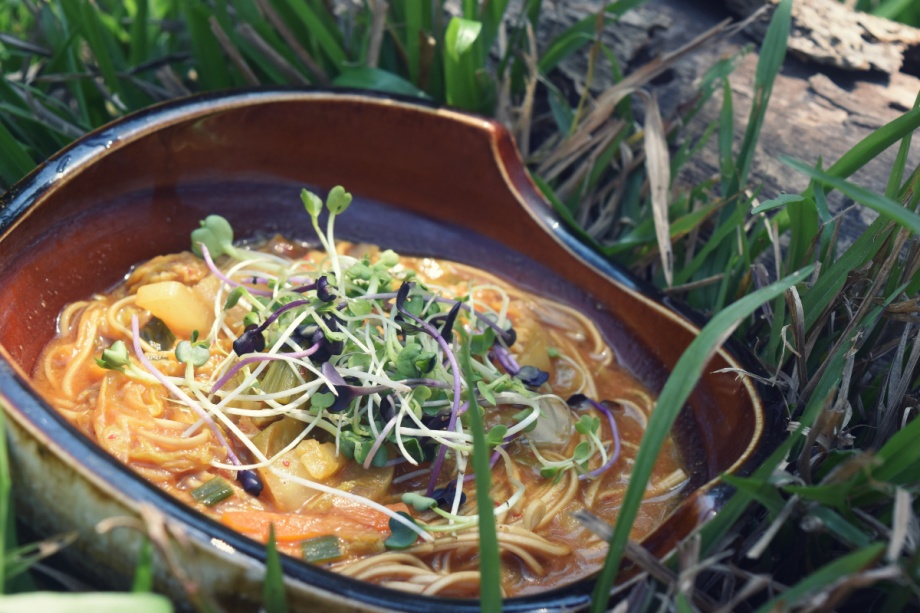
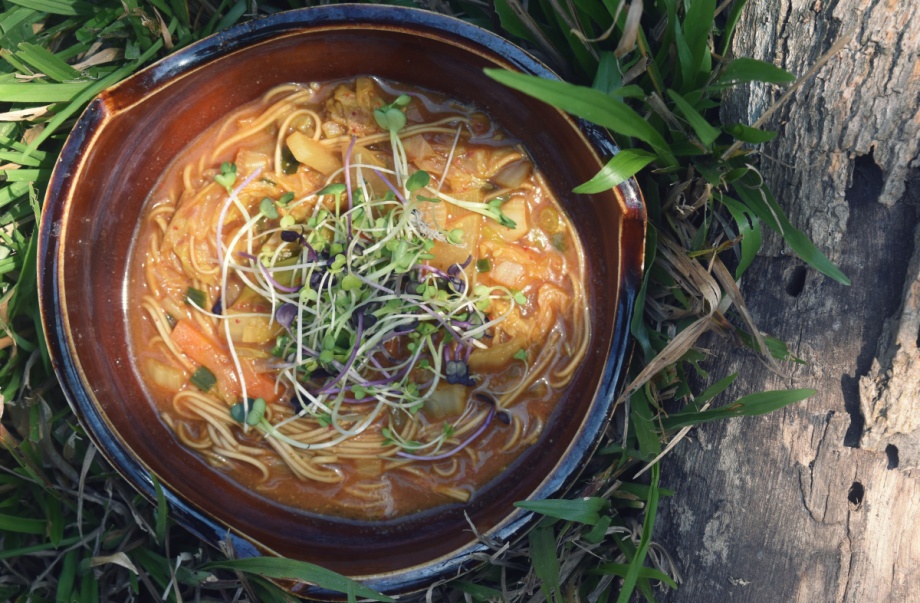
Miso soba noodle soup is a gluten-free, delightful savory breakfast, filling lunch or light dinner packed with healthy carbs, fats, and protein.
Miso soba noodle soup can be eaten at any time of day, even for breakfast! Though eating noodles for breakfast might sound strange to you, here in SE-Asia it’s a savory breakfast staple that I came to love over the years.
Are Soba Noodles Gluten-free?
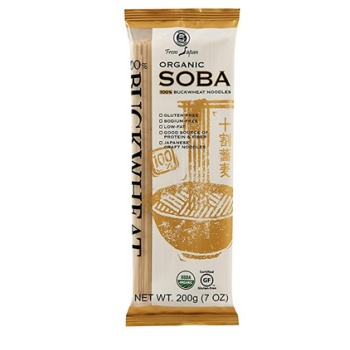
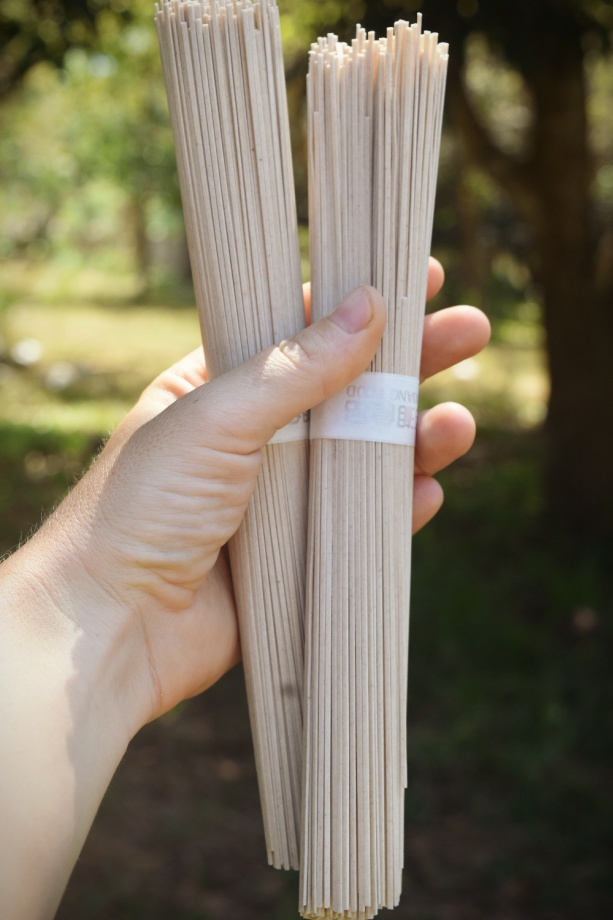
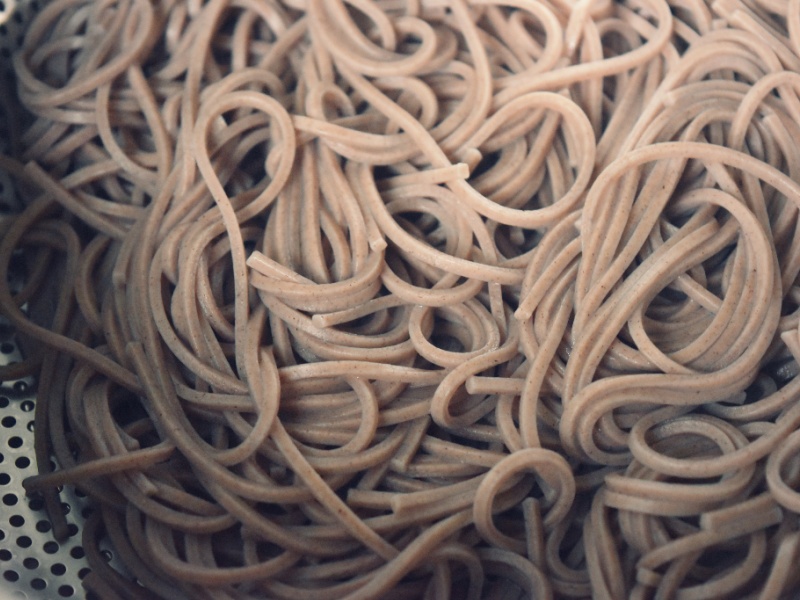
Soba (そば or 蕎麦), meaning “buckwheat” in Japanese are thin noodles that are traditionally made with buckwheat and water, meaning they are naturally gluten-free!
However, not all soba noodles are created equal. Many brands are also adding wheat flour when they make soba noodles. Usually, you will find that most brands on the market are around 80% buckwheat and 20% wheat flour.
Why you might ask. The main reason is that buckwheat doesn’t contain a natural binder. In wheat flour, the binder is gluten, which is formed as the dough is being worked. Rice flour, which is also gluten-free, has a similar binder.
Buckwheat flour, however, doesn’t produce its own binder when being worked. Therefore, a dough made from just buckwheat flour and water tends to crumble, instead of coming together in a nice dough ball. That’s why most companies add a percentage of wheat flour. Plus, wheat flour is less expensive than buckwheat flour.
Buckwheat Facts and Nutritional Benefits
In Japan, soba noodles are often served after an evening’s drinking or at the end of parties. Traditionally, they are also served on the 1st of January to celebrate the start of a new year. The long strands symbolize a long life as well as strength and resilience which are both characteristics of the buckwheat plant.
Though buckwheat noodles might be a late-night snack in Japan, in SE-Asia noodle dishes are served at any time of the day. These noodles, however, are usually made either from rice or wheat flour. We prefer buckwheat noodles because they have a yummy, hearty, earthy flavor
Next to bringing more flavors to your bowl, buckwheat noodles are also healthier, packing more nutrients compared to rice or wheat noodles.
Buckwheat noodles are an excellent source of fiber, healthy fats (omega-3 and 6), and complete protein, meaning it contains all eight essential amino acids humans need. This is one of the reasons why many plant-based munchers will opt for this grain.
Furthermore, buckwheat is an excellent source of fatigue-fighting iron, bone-building calcium, and immune boosting manganese, magnesium, copper, and zinc. It also contains a powerful flavonoid called rutin which prevents the formation of blood clots.
Servings
3-4 people
Ready In:
20 min
Calories:
340 (per serving)
Good For:
Breakfast, Lunch, Dinner
Introduction
About this Recipe
By: Amy Goodrich
Bursting with flavor, this nutrient-dense bowl of soba noodles will fill you up. Though you might be new to having noodles for breakfast, try it! Nothing better than a hearty bowl of plant goodness to start your day.
As I have mentioned earlier, veggie noodle bowls can be eaten at any time of the day. Even as a late-night snack.
Ingredients
- 200-250g (7 to 8.8oz) gluten-free soba aka buckwheat noodles, uncooked
- 1 big carrot, chopped
- 1 big Daikon radish, chopped
- 3 cups Chinese cabbage
- 1.5 cup leeks, chopped
- 1 cup spring onion, chopped
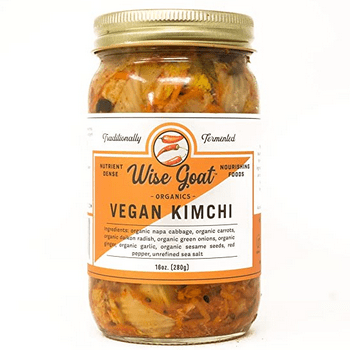
- 1.5 cups kimchi
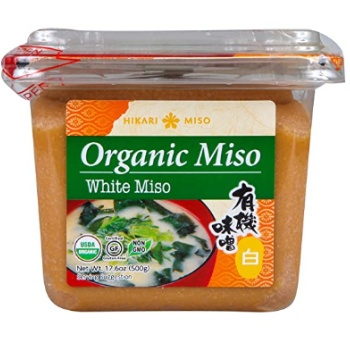
- 1/2 cup miso paste (or to taste)
- 1/2 tbsp Tamari or soy sauce
- 1 tbsp garam masala
- 1 tsp turmeric
- 1.5L water
- Optional toppings: fresh herbs or bean sprouts
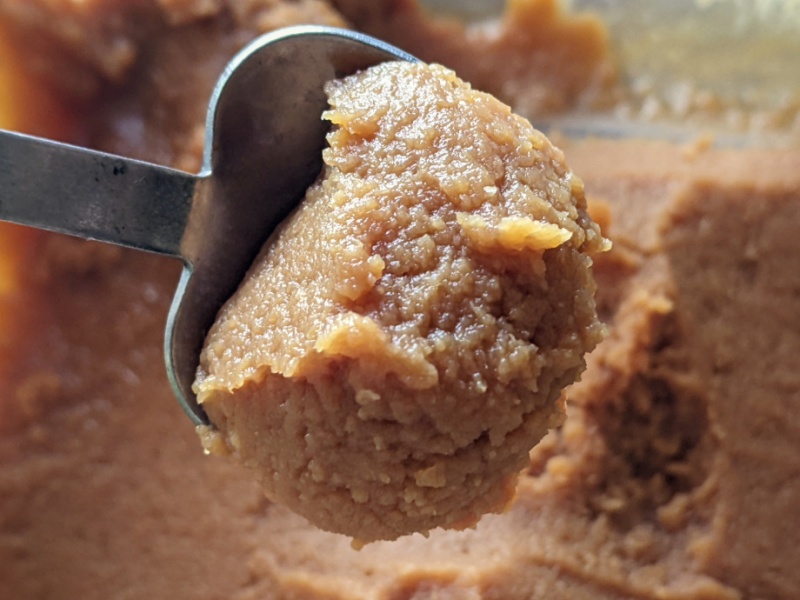
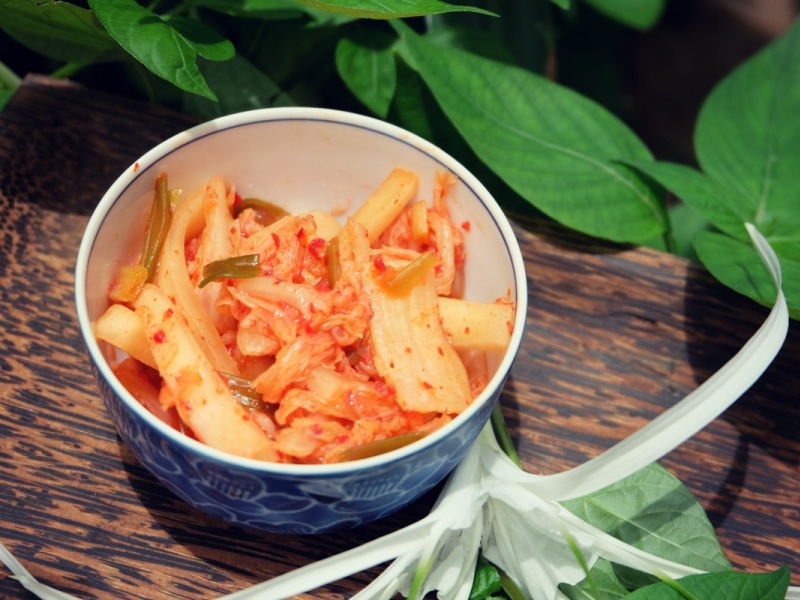
Meet the powerhouse rock stars of this dish
Nutrition
We’ve already talked about the health benefits of buckwheat noodles, but what makes this noodles soup even better is the miso and homemade kimchi.
Among many other essential nutrients, fermented foods such as kimchi and miso contain vitamin B12, which plays a vital role in the production of red blood cells and DNA, as well as the proper functioning of the nervous system.
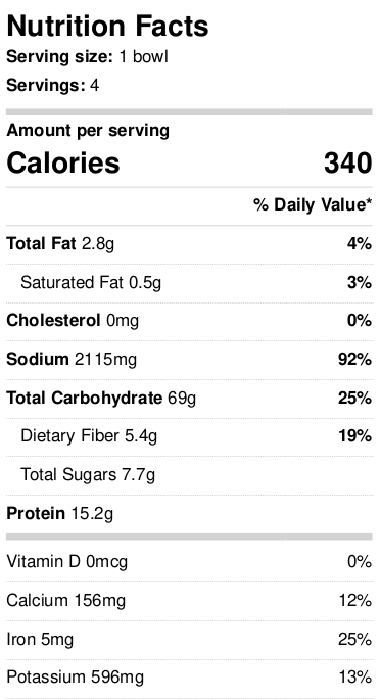
- Dietary fiber 19%
- Carbs 25%
- Fat 4%
- Protein 30.4%
- Calories 17%
NOTE:
The DRI (Dietary Reference Intake) for protein is 0.36 grams of protein per pound (0.8 grams per kg) of body weight.
This amounts to:
56 grams per day for the average sedentary man
46 grams per day for the average sedentary woman
Step by Step Instructions
Step 1
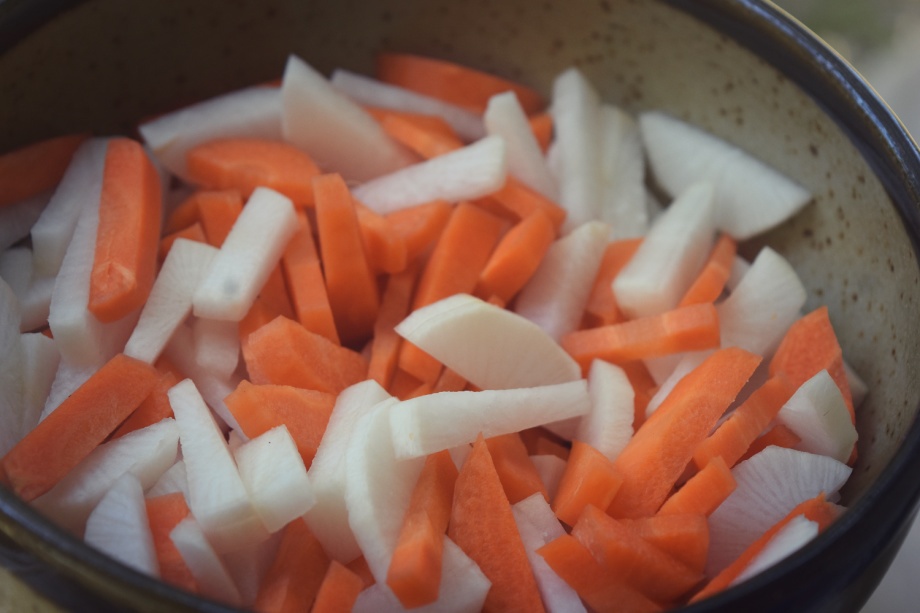
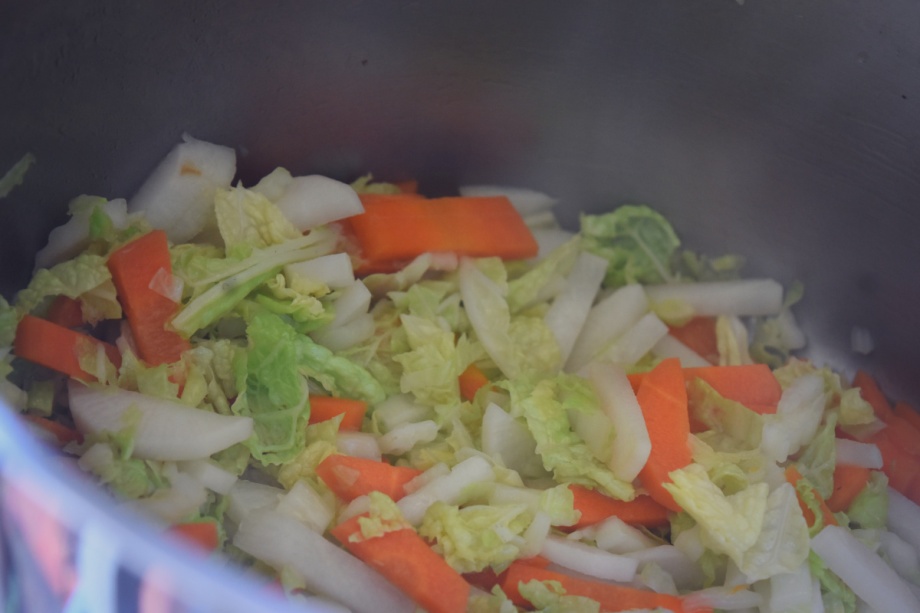
Saute carrot, Daikon, Chinese cabbage, and leek for a few minutes or until they start to soften.
Step 2
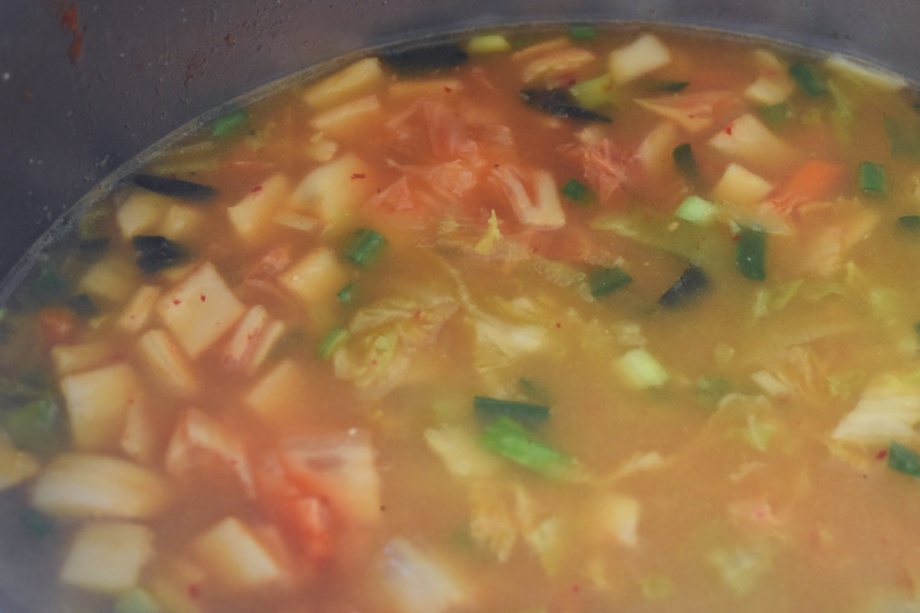
Add spring onion, kimchi, miso, tamari or soy sauce, Garam Masala, turmeric, and water. Stir well and cook for about 5 minutes.

Step 3
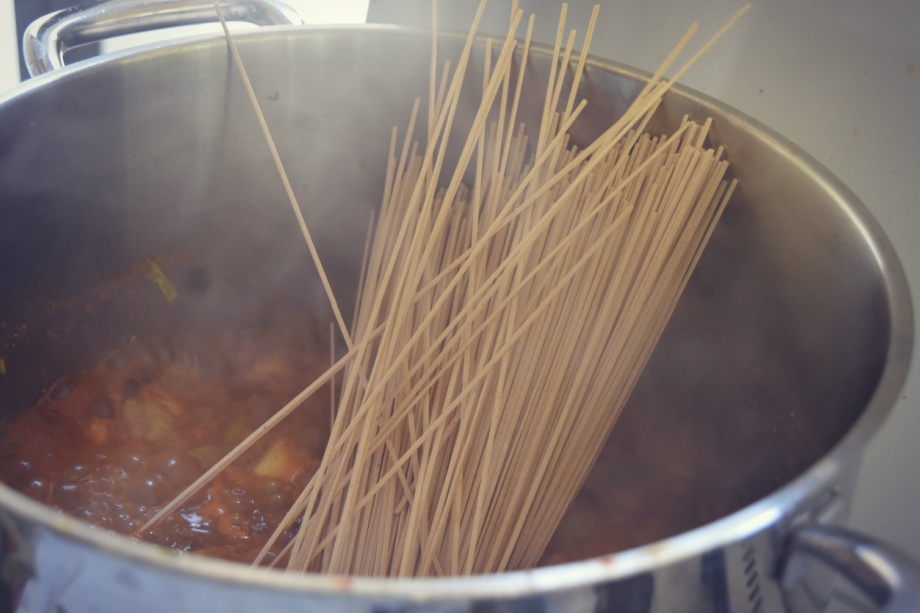
Then add the soba noodles until soft. Soba noodles cook very fast (1 to 2 minutes), so make sure not to overcook them.
Step 4
Divide into bowls and top with fresh herbs such as cilantro, parsley, or bean sprouts.
Easy, Printable Recipe Card
Miso Soba Noodle Soup With Homemade Kimchi
Protein-rich breakfast, lunch, or dinner soup. The perfect dish to clean out your fridge. Feel free to add other leftover vegetables to the mix.
Ingredients
- 200-250g (7 to 8.8oz) gluten-free soba aka buckwheat noodles, uncooked
- 1 big carrot, chopped
- 1 big Daikon radish, chopped
- 3 cups Chinese cabbage
- 1.5 cup leeks, chopped
- 1 cup spring onion, chopped
- 1.5 cups kimchi
- 1/2 cup miso paste (or to taste)
- 1/2 tbsp Tamari or soy sauce
- 1 tbsp garam masala
- 1 tsp turmeric
- 1.5L water
- Optional toppings: fresh herbs or bean sprouts
Instructions
- Saute carrot, Daikon, Chinese cabbage, and leek for a few minutes or until they start to soften.
- Add spring onion, kimchi, miso, tamari or soy sauce, Garam Masala, turmeric, and water. Stir well and cook for about 5 minutes.
- Then add the soba noodles until soft. Soba noodles cook very fast (1 to 2 minutes), so make sure not to overcook them.
- Divide into bowls and top with fresh herbs such as cilantro, parsley, or bean sprouts.