
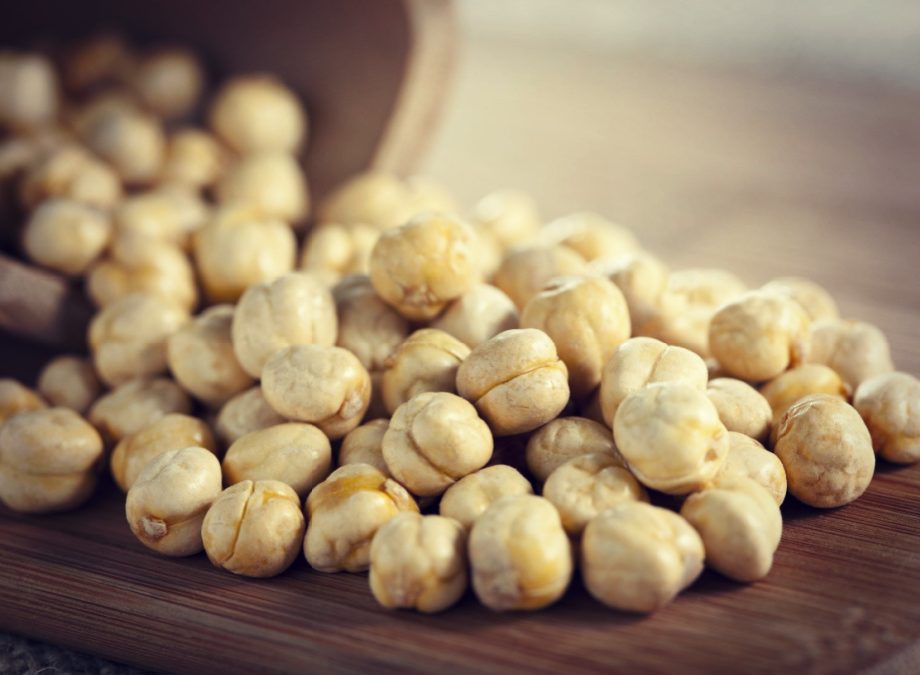
As a happy and healthy plant-based muncher, chickpeas (aka Garbanzo beans) have been one of my family’s protein staples for years.
While my hubby still eats fish or chicken twice or thrice a week (which is a major accomplishment for the carnivore he was), he recently reduced his animal intake even further, adding more chickpeas as a protein staple to his diet. And guess what? He feels great!
My Husband is an MS (multiple sclerosis) patient. For years he had to take sick-making medication to control this autoimmune disease. Through the power of whole foods, stress management, and exercise he was able to get off these drugs and live his life to the fullest.
I am not saying that chickpeas alone saved his life, but they have become a major part of his diet to improve his condition.
But that aside, let’s talk “how to cook chickpeas” now.
Many of us buy canned chickpeas because of the long soaking and cooking times. Been there, done that. However, once I’ve learned about all the yucky chemicals leaching into the beans and tasting homecooked chickpeas I have never turned back to canned chickpeas.
Here are my soaking, cooking, and storing tips to help you eliminate another canned item from your life
Before I reveal my chickpea kitchen hacks, I quickly want to share with you why you should consider dumping canned foods whenever you can.
Many canned food items contain added salt, preservatives, and other chemical additives linked to many health issues. Furthermore, cans may leach health-damaging BPAs into your food.
Since the sixties, a chemical substance called Bisphenol A (aka BPA) has been used in the manufacturing of polycarbonate plastics and epoxy resins. Though BPA‘s primary use was in plastic bottles and food storage containers, today it is still used in the lining of many food cans.
Going fresh instead of canned will not only be healthier for you, nothing beats the taste of home-cooked chickpeas! Such a big difference in taste. Believe me.
Once you go fresh, I am pretty sure you won’t turn back to canned ever again.
While I am not gonna lie, cooking chickpeas will take up more time than grabbing a can from the shelves. After reading this post, however, you will be surprised at how little time and effort it takes. It will be well worth it! Believe me.
10-day whole food reset plan: A SIMPLE CLEANSE OF BODY AND MIND
A healthy body reset to lose weight, eliminate toxins, and kick-start your new way of life. No cranky starving process on a dash of lemon juice and a single bean, but a 10-day transformation to rev your weight loss engine and live a healthier life.
Chickpea Soaking and Cooking Methods
As said before, many people refrain from cooking chickpeas due to the long soaking and cooking times, but to be fair it is not something that demands a lot of time and effort.
Yes, you will have to add them to a pot of water to let them soak and then keep an eye on them while they cook. But let’s be honest, this is not a time-consuming task, right?
But then you might wonder… Why not just cook chickpeas. Why do they need to be soaked?
There are two good reasons for that. One, chickpeas need to be softened before you can boil them or it will take you ages to cook them until they are edible
Two, pre-soaking helps to make the beans more digestible. Cooking garbanzo beans without soaking them can increase the risk of digestive side effects including gas and bloating.
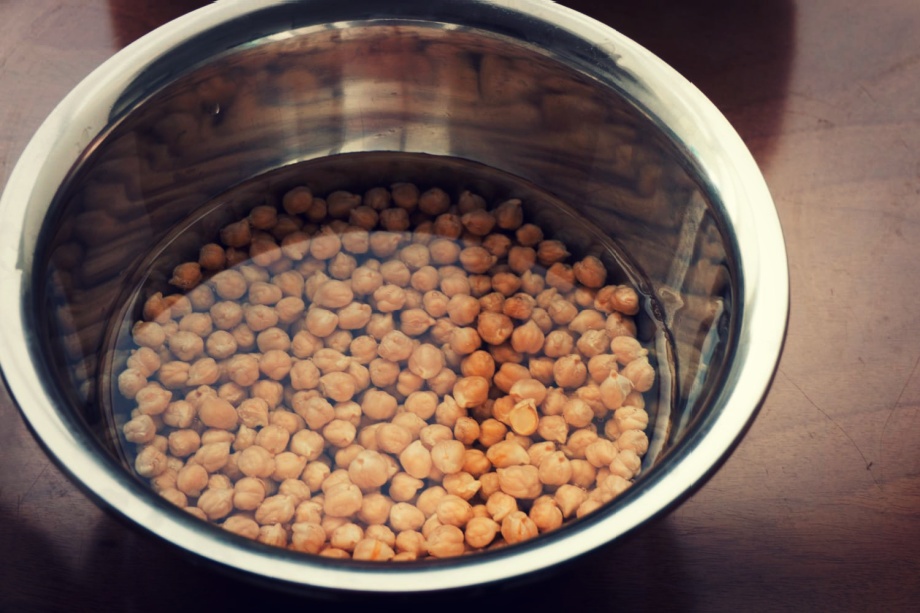
,#1 Quick Soaking Method (2h30 min)
Add chickpeas to a large pot. Place them on the bottom of the pot and cover them with water. Make sure there is enough water. The chickpeas will double to triple their size. Bring to a boil and simmer for 5 minutes.
Remove from the heat and let the beans soak in hot water for 1 hour. Drain and rinse chickpeas before cooking.
Cook chickpeas in a large pot for 60 to 90 minutes, depending on your preferred tenderness. Check occasionally, add more water if needed.
FYI: I use about 1 quart of water per 1 cup of soaked beans.
#2 Overnight Soaking Method (about 9 hours or longer)
If you have time, soak the chickpeas for 8 hours or overnight. Make sure to add enough water, they will triple in size. Cover with a clean kitchen towel or lid.
Drain and rinse the chickpeas before cooking them. This will take about 45 to 60 minutes, or to desired tenderness. Regularly check on them. If the water starts to run low add more water to the pot.
FYI: I soak my chickpeas overnight in the fridge as I live in the tropics and it gets very hot here. Even during the night!
#3 Pressure Cooker Method
Presoak chickpeas for 12 hours. Drain, rinse and cook them for 20 to 25 minutes in a pressure cooker.
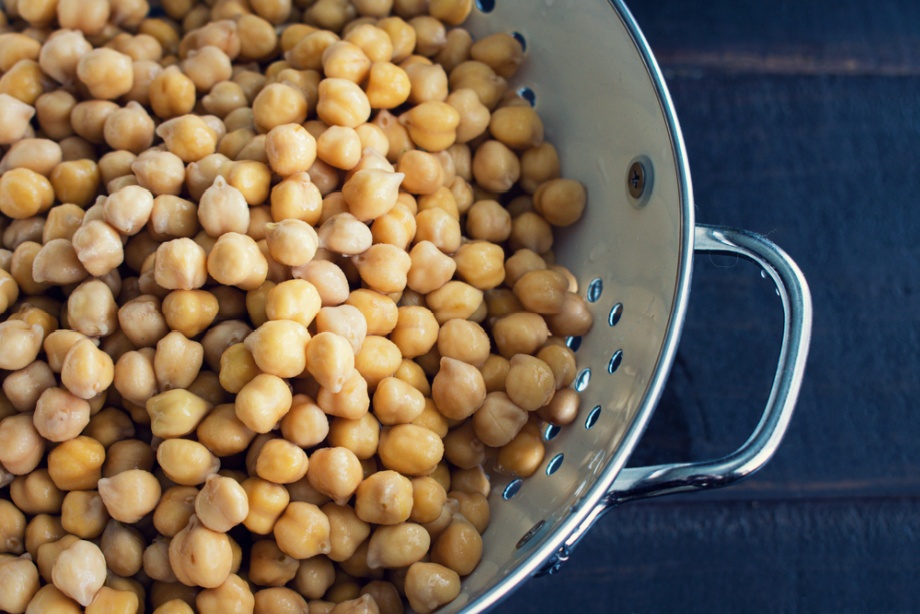
Sprouting Chickpeas (takes only a few days)
Sprouted beans are easier to digest and pack more nutrients compared to soaked and cooked beans.
It takes a few days but they are a nutritious and delicious addition to your diet.
Check out my full tutorial on how to sprouts seeds, grains, and beans.
Timesaver: Make a Larger Batch and Freeze
We always soak and cook a bigger batches of chickpeas. Doing so will make your life so much easier. It will also prevent you from falling back to canned variations if you don’t always have to go through the long soaking and cooking times.
You can easily store them in the fridge for 3 to 4 days or freeze them for later use. Frozen chickpeas can be kept in the freezer for up to one year, although quality will be best if used before 6 months.
But unless you have a gigantic freezer, chickpeas will not even be over 6 months in your freezer. Not if you are also planning on making them one of your staple proteins.
To batch cook, soak, and cook as many chickpeas as you will have storage space for in the freezer. After cooking, allow them to cool completely. Then remove as much moisture as possible with a clean kitchen or paper towel.
Place them in a Ziploc bag. The best is to spread them out in a single layer to avoid big chickpea clumps. You can fit 1 portion into one bag, layer one flat on top of the other.
Or spread chickpeas – in a single layer – on a baking sheet or big tray and freeze for 30 minutes. Take them out and add them to a Ziploc bag or airtight container. No need to put them in a single layer. They will be firm enough to not clump together when you freeze them further.
Label bags/containers before you put them in the freezer. Cooked chickpeas can be stored in the freezer for up to 1 year.
Every time a recipe calls for a can of chickpeas, take a portion out of the freezer and allow it to thaw.
That’s how simple soaking, cooking, and storing chickpeas can be! Make one big batch during the weekend and you’ll be good to go for the coming week(s).
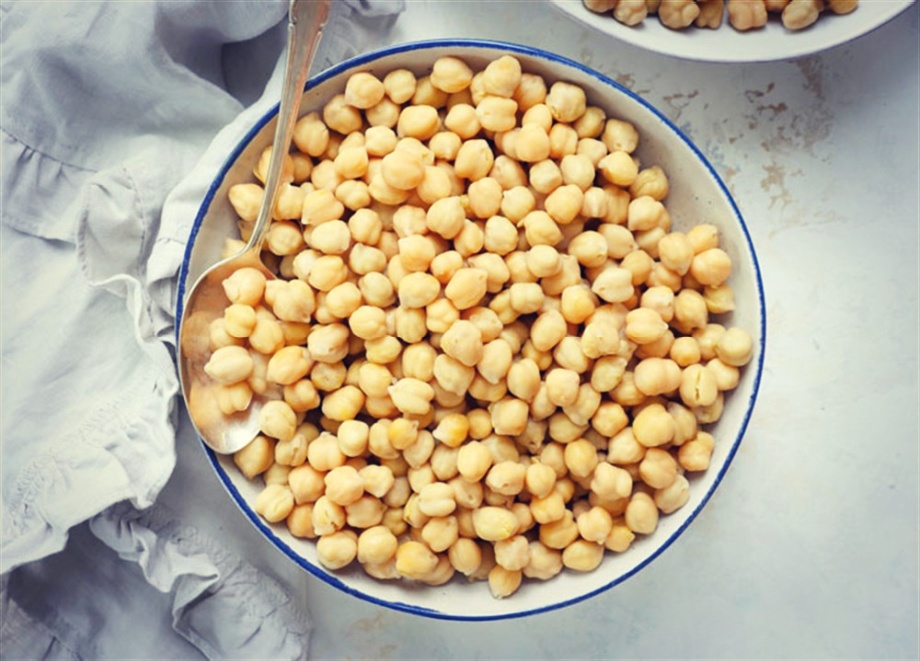
When Life Gives You Chickpeas Make Hummus
Hummus. an age-old Middle Eastern dip has the Western world in its grip. It’s no longer the go-to healthy snack or spread only the health-conscious people know about. These days, supermarket shelves are packed with this yummy appetizer for some good reason. The health benefits of hummus are just wow!
But again, why opt for the one you can find in the supermarket if you can make your own chemical-, additive-free version at home?
Hummus is one of the easiest dips made with chickpeas, olive oil, garlic, lemon juice, and tahini (sesame seed paste). It is packed with proteins, healthy fats, complex carbs, antioxidants, and a wide range of essential vitamins and minerals.
A study in the Journal of Nutrition & Food Sciences found that people who eat hummus or chickpeas regularly tend to have a smaller waistline and live an overall healthier lifestyle.
Furthermore, hummus is gluten-, nut- and dairy-free, which are all known to cause allergies.
Why Eating Hummus is SO GOOD for YOU!
#1 Good Source of Plant-Protein
Hummus is an excellent source of complete plant protein for vegetarians, vegans, or flexitarians. Chickpeas, the main ingredient of hummus, isn’t a complete protein by itself, but when combined with tahini it provides all essential amino acids your body needs.
#2 Loaded with Vitamins And Minerals
Not only is hummus a good source of protein, but it is also loaded with iron, folate, phosphorus, and B vitamins. All essential nutrients vegans or vegetarians often lack.
#3 Promotes Health Heart
Chickpeas, lentils, sesame seeds, and olive oil help reduce plaque formation, blood pressure, the risk of cardiovascular issues, and balance cholesterol levels to prevent a heart attack or other cardiovascular diseases.
#4 Aids Digestion
Hummus is an excellent way to add more fibers to your diet. Getting your daily dose of fibers helps to keep you regular and keeps your digestive tract healthy and clean.
#5 Boost Energy
Chickpeas contain complex carbohydrates which are used for energy and, unlike simple carbs, don’t spike blood sugar levels.
#6 Weight Management
Hummus is rich in belly-filling fibers and proteins. It helps you to stay satisfied longer and keeps hunger cravings at bay. It makes you eat less at main meals and prevents snacking in between.
But bear in mind, although hummus can aid your weight loss, too much of it will have to opposite effect due to its high-calorie content.
If on a weight-loss mission or when avoiding too many carbs or gluten, rather than eating hummus with flatbread, eat it with low-calorie veggie sticks instead.
#7 Healthy Bones
Tahini is an excellent source of many bone-building and strengthening nutrients such as zinc, copper, calcium, magnesium, phosphorus, iron, and selenium.
#8 Balance Blood Sugar Levels
People who often eat chickpeas and beans experience fewer issues with blood sugar levels. This decreases the chance of developing insulin resistance or diabetes.
are you a chickpea and hummus lover too? If so, what are your favorite ways to use chickpeas in your daily diet? Let us know in the comment below!

Amy Goodrich is a certified holistic nutritional therapist and former plant biologist. Her mission: inspiring people to adopt a more natural lifestyle to prevent/cure illness. Through her blog, Amy shares her own experiences with managing her husband's autoimmune disease through the power of whole foods. EatLove.Live covers strategies for doing so, with posts about how to gradually change your lifestyle. Amy is obsessed with cats, travel, and delicious plant-based foods that nourish and heal the body from the inside out.