
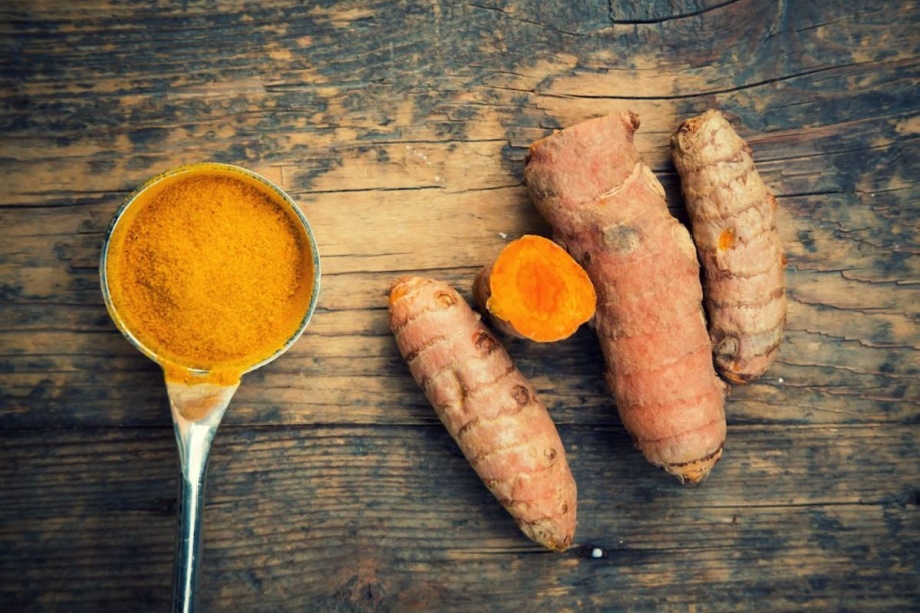
Turmeric is famous for adding color and flavor to curries and other Asian dishes. This spice is derived from Curcuma longa, a relative of the ginger plant. Its distinctive warm, peppery taste is sure to pep up any dish.
Aside from its colorful culinary history, turmeric also plays a role in traditional Indian and Chinese medicine. Recent studies have shown that there is a scientific basis for turmeric’s use as a folk remedy as it is rich in vitamins and minerals, as well as the natural therapeutic compound curcumin.
Curcumin is responsible for the spice’s bright yellow color and a lot of the good things it can do for you. Below you will find 7 scientifically proven health benefits that are sure to make it a favorite with anyone who’s into clean and healthy living.
7 Health Benefits of Turmeric Backed by Science
#1 Anti-inflammatory and Pain-reliever
Many of the spice’s benefits can be put down to the anti-inflammatory properties of curcumin.
Joint pain caused by inflammation, especially in the knee, affects about 1 in 10 older Americans. Scientists have found that curcumin has anti-inflammatory and antioxidant properties to help fight painful joints.
Studies also suggest curcumin extracts may provide relief for some people with osteoarthritis, rheumatoid arthritis, and other inflammatory arthritic conditions. They found that curcumin extracts result in similar improvements of the symptoms as ibuprofen and diclofenac sodium.
#2 Relief for Scrapes and Bruises
Turmeric has antiseptic properties. It can be used to clean minor wounds or burns to prevent them from becoming infected. Some people also apply turmeric to their skin to treat psoriasis, bruises, insect bites, ringworm, and soreness.
#3 Improve Cardiovascular Function
Curcumin is a potent antioxidant. As such, it can prevent the buildup of plaques of oxidized cholesterol in the bloodstream. This in turn leads to improved cardiovascular function.
As a cardiovascular health fortifier, curcumin also shows positive effects on blood pressure regulation and blood clotting.
Although it shouldn’t be considered a substitute for prescription medication, medical studies have shown that the regular intake of turmeric can also decrease the chances of a heart attack.
10-day whole food reset plan: A SIMPLE CLEANSE OF BODY AND MIND
A healthy body reset to lose weight, eliminate toxins, and kick-start your new way of life. No cranky starving process on a dash of lemon juice and a single bean, but a 10-day transformation to rev your weight loss engine and live a healthier life.
#4 Alleviation of Depression
In traditional Chinese medicine (TCM), turmeric is often recommended as a treatment for depression. This is likely more than just an old wives’ tale.
A 2014 study confirms that regular curcumin supplements help alleviate the mood-related symptoms that accompany major depressive disorders.
#5 Detoxification of Your Liver
Your liver acts as a sieve that catches a lot of the toxins that enter your body. It’s supposed to break the harmful chemicals down to keep them from doing damage, but it can’t always handle the job.
Turmeric, however, can boost the production of liver enzymes that break down these chemicals. This eventually helps to detoxify the liver and body.
#6 Prevention of Many Types of Cancer
Plenty of research has been devoted to seeing how turmeric can combat different types of cancer, and the results are promising. The spice has been shown to prevent the growth and spread of existing tumors.
Frequent use can prevent colon, prostate, and lung cancer in adults, and lower the likelihood of childhood leukemia.
Research has also found that curcumin has strong antioxidant properties to neutralize free radicals in the body and help in the production of anti-oxidizing enzymes. Free radical damage has been linked to many life-threatening diseases such as cancer.
# 7 Brain Booster
Have better days in the office by getting a daily dose of turmeric. This is because curcumin enhances the production of serotonin and dopamine, improving overall mood and brain function.
Fishing for a good nootropic? Battling Alzheimer’s or depression? Opt for turmeric. Curcumin has been found to increase the Brain-Derived Neutrophic Factor, a growth hormone manufactured in the brain.
Furthermore, curcumin can cross the blood-brain barrier – something that not many other compounds can do. Once it goes to your head, it protects your brain against the buildup of protein fragments that causes Alzheimer’s disease, as well as the clotting in blood vessels that lead to strokes.
In addition to this, turmeric also contains aromatic turmerone, which promotes the repair of brain cells damaged by neurodegenerative diseases.
The only downside, curcumin is not immune from side effects (of which we will discuss some below), such as nausea, diarrhea, headache, and yellow stool.
Furthermore, it has poor bioavailability due to low absorption, rapid metabolism, and systemic elimination. However, below we will show you how you can up curcumin’s bioavailability by up to 2000x. Scroll down for more info!
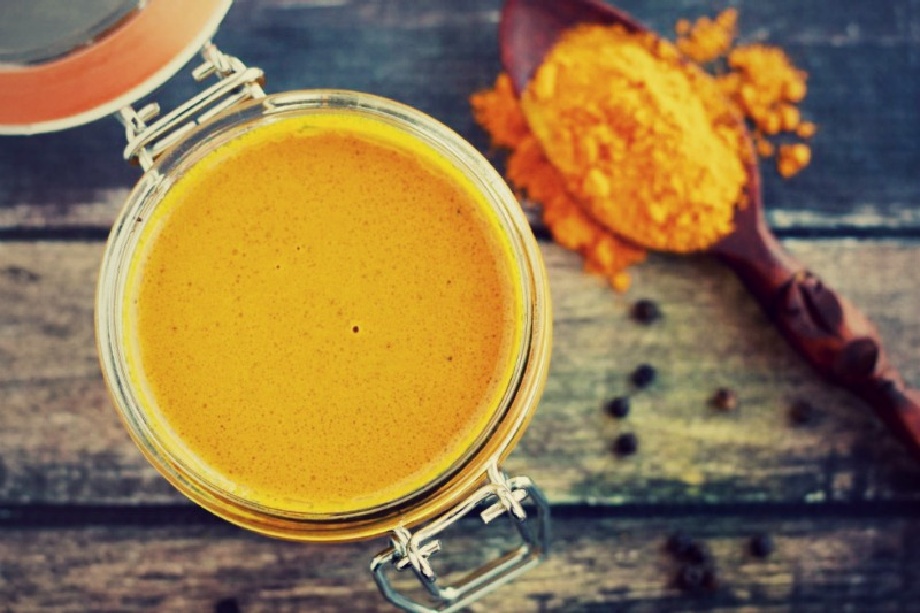
Ideal Turmeric Dosage: How Much Of It Is Safe To Take?
Proper Ways of Taking Turmeric
Adding fresh or powdered turmeric root to daily dishes will surely benefit us all without causing any side effects. Unless you are allergic to it of course.
However, if you are taking turmeric powder in large doses or concentrated turmeric/curcumin supplements or liquid extracts to address a health condition, it’s important to know how much you should take daily.
ALSO, for those who are taking other medications, it’s not recommended to take turmeric supplements without consulting their doctor.
The right dosage depends on the purpose for which one will be taking turmeric. The first thing to know is whether you will use it for disease prevention or for curing an already existing disease.
Here are the guidelines:
- For preventative dosing, take small amounts. It may be taken as long as needed. Make sure to always combine turmeric with black pepper to increase its bioavailability.
- For curative purposes, large doses of supplements or liquid extracts are needed but taking large doses should be stopped once the health issue has been resolved.
– Turmeric powder – For adults, take 3 grams of fresh root 5 times daily. If taking dried root, use only 3 grams daily.
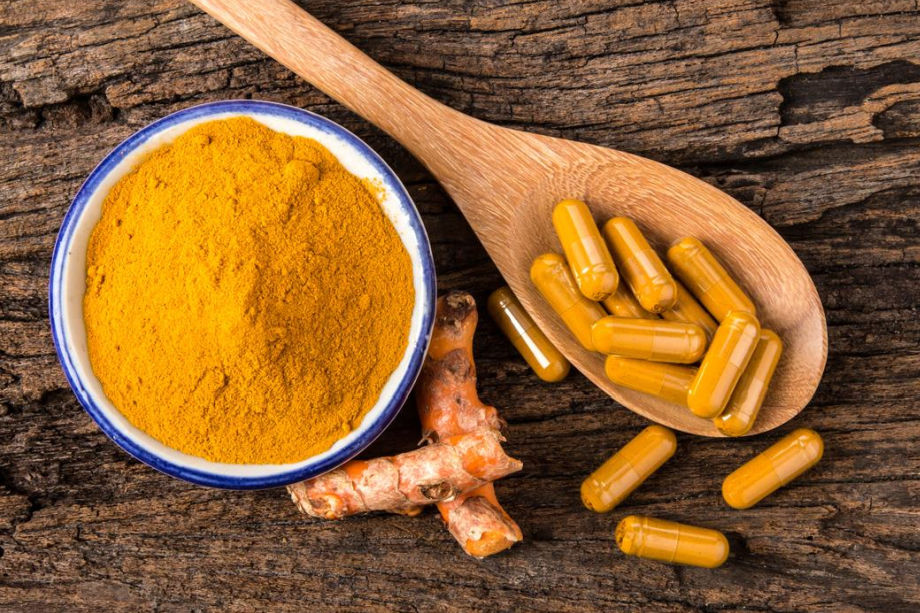
– For supplements, it is recommended to get a daily dose of 400-600mg milligrams, three times a day. So the total mass to consume should be at least 1200 milligrams. You may also take it in one dosage of 1200-1800mg. Make sure the capsules or extract contains piperine for better absorption
FYI: Turmeric is fat-soluble. For faster absorption, eat fatty foods when taking your supplement. Try coconut oil. It is also recommended that turmeric is taken together with black pepper or any dietary supplement containing piperine, the black pepper ingredient found to also increase turmeric absorption. Scroll down for more info.
Turmeric Side Effects: How Safe Is It For Your Health?
Turmeric has been used for thousands of years (particularly in Asia) and it is believed to be the “healthiest spice” in the world. As we have seen earlier, people use it to naturally cure various types of diseases such as chronic inflammation, heart problems, depression, and even cancer.
In addition, this spice detoxifies the body by eliminating harmful toxins including free radicals. It has also helped improve metabolism while fighting infections.
But does it have side effects?
Although turmeric is known for its healthful benefits to the human body, there are a few side effects to consider when using this golden spice in large doses daily. Like all other products, it has its pros and cons.
Below are some side effects of turmeric that you should know about before starting to use it daily.
#1 Cause hypoglycemia in diabetic patients
Diabetes medication lowers blood sugar levels. Turmeric has the same effect. When taken together, hypoglycemia may occur.
#2 Do not take When on blood-thinning medication or having surgery
Turmeric is a blood thinner. Do not use high doses of this spice when on blood-thinning medication or about to undergo surgery.
Also, people with bleeding disorders should practice caution when taking concentrated turmeric supplements since it can slow down blood clotting and increase the risk of bleeding and bruising.
#3 It may upset the stomach
Though turmeric can be used to treat certain digestive issues, when not used properly, turmeric can irritate the stomach by generating gastric acid or aggravating the condition of those with GERD or gastroesophageal reflux disease.
#4 Pregnant women should not take turmeric
For pregnant women, it is not advisable to take turmeric supplements as they can trigger uterine contractions. Stimulation of the uterus can endanger the pregnancy and lead to premature birth.
Small amounts (like adding turmeric to your food or having a turmeric tea or latte), however, won’t be a problem. It might even help with morning sickness. Just don’t overdose. Or better yet, consult with your doctor before taking it.
#5 For people who use turmeric as a topical treatment
They can be allergic to it, which can result in a mild, itchy rash. If using turmeric to treat a skin condition, try on a small patch of healthy skin before applying it to the affected areas.
#6 Other reported side effects and contraindications of larges doses of turmeric include
- Diarrhea and/or nauseous
- Increased menstrual flow
- Lower blood pressure or hypotension
- Worsening of gallbladder problems such as gallbladder obstruction
- People taking antacids and proton pump inhibitors are advised to avoid using turmeric.
Boosting Turmeric Bioavailability for Maximum Benefits
As discussed above, the healing benefits of turmeric come from a special little compound called, curcumin. Unfortunately, this powerful plant compound isn’t absorbed very well by the body. Meaning that anything you consume as food or beverage that contains turmeric/curcumin will not be all that beneficial since it is not properly absorbed and metabolized by the body.
The liver is known to flush it out of the body. Even if you love curries and eat dishes with turmeric daily, you might not be getting enough turmeric to get its magic.
The good news is that you can do something to increase turmeric bioavailability.
Follow these four tips to get the most out of turmeric
1. Combine turmeric with black pepper
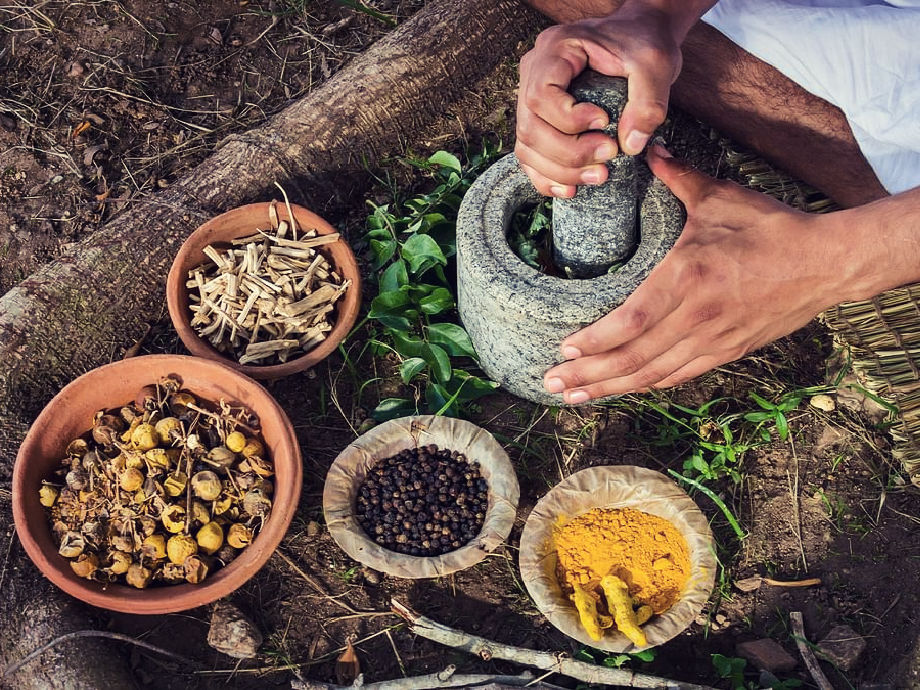
Adding black pepper to any dish or beverage with turmeric inhibits the metabolic elimination of curcumin. Black pepper contains piperine, an adjuvant that helps boost the bioavailability of turmeric’s active ingredient by up to 2,000 times.
2. Add healthy fat to your turmeric
The fat-soluble quality of curcumin makes turmeric more potent when consumed in combination with healthy fat (avocado, coconut oil, olive oil, seeds, nuts, ghee, etc.).
Making a paste of turmeric and fat such as coconut oil or ghee makes it easier for curcumin to get into the body’s lymphatic system instead of being eliminated through the liver.
Try snacking on avocado slices sprinkled with black pepper and turmeric. Or why not have a turmeric latte with added coconut oil and black pepper.
3. Mix turmeric with quercetin
The flavonoid quercentin is effective in inhibiting the enzyme that renders curcumin ineffective. You can get this flavonoid from apples, citrus fruits, berries, bell peppers, cruciferous vegetables ( such as broccoli, cabbage, sprouts), tomatoes black and green tea, cacao, whole grains (such as buckwheat), raw asparagus, raw red onion, olive oil, capers beans, legumes and red grapes/red wine.
Have a salad with any of these ingredients. Drizzle it with turmeric-flavored olive oil or avocado-based dressing, finish with freshly ground black pepper, and you’ll be sure to enjoy the health benefits of curcumin.
4. Drink turmeric dissolved in hot water
This is a little bit tricky because while heat enhances curcumin’s solubility, too much heat can destroy it as well. If you are boiling your turmeric tea, do so for no more than 10 minutes.

A Final Note On Taking Turmeric
Turmeric has been gaining commercial success, and health experts always advise taking it in its purest form as much as possible. Commercial turmeric products may contain toxic ingredients such as lead, which can be especially damaging to the nervous system. Some may also contain wheat, barley, or rye flour, which can wreak havoc among the gluten-intolerant.
The best way to prevent turmeric side effects is to know the proper dosage as that taking high doses of turmeric is what leads to experiencing its negative side effects. Before deciding to use turmeric in large doses for medical purposes, don’t forget to have yourself checked by a medical professional to avoid complications.
There are a lot of herbal and health stores selling turmeric today. You can get this ingredient in the form of turmeric powder or concentrated turmeric/curcumin supplements or liquid extracts with added piperine.
Supplements are particularly useful when you need higher doses of curcumin to fight disease or chronic pain. However, just like buying other nutraceuticals, you need to be careful when choosing which turmeric product you buy. Make sure that you are buying from a legitimate source that has been proven to be safe and effective.
While turmeric is generally a safe ingredient to use and consume daily, it would still be a good idea for you to consult your doctor if you have any existing medical conditions. It’s always better to err on the side of caution when it comes to your health.

Amy Goodrich is a certified holistic nutritional therapist and former plant biologist. Her mission: inspiring people to adopt a more natural lifestyle to prevent/cure illness. Through her blog, Amy shares her own experiences with managing her husband's autoimmune disease through the power of whole foods. EatLove.Live covers strategies for doing so, with posts about how to gradually change your lifestyle. Amy is obsessed with cats, travel, and delicious plant-based foods that nourish and heal the body from the inside out.