
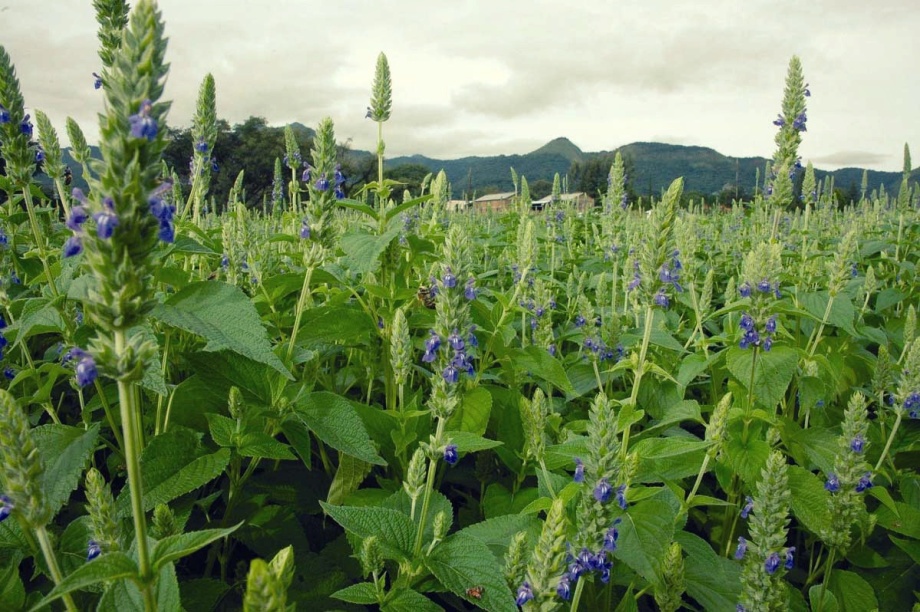
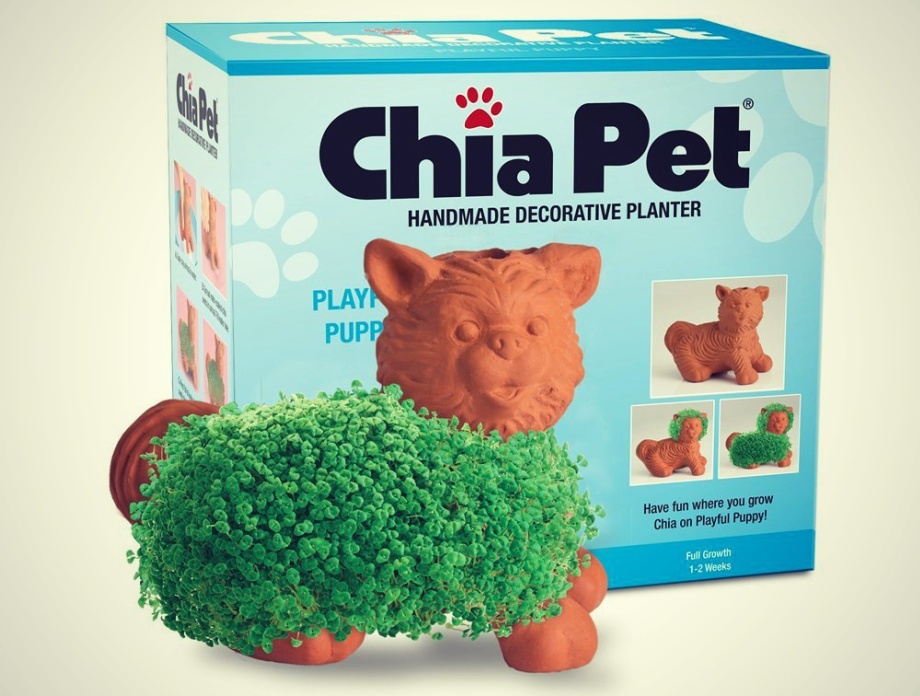
Chia seeds were a staple in ancient Maya and Aztec diets to improve stamina and boost energy levels. You may remember chia from the old school pet gift item that sprouted grass-like fur.
Nowadays, chia is becoming better known as a healthy ingredient in our kitchens. Due to its mild, nutty flavor, it can be added to all kinds of sweet and savory dishes.
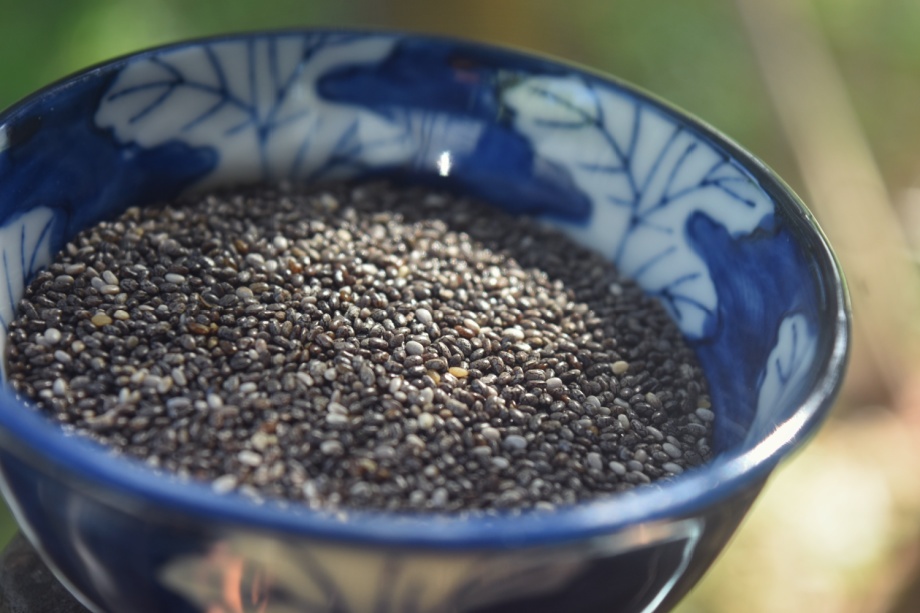
Chia seeds contain high levels of healthy omega-3 fatty acids, complex carbohydrates, protein, fiber, antioxidants, and calcium. They are unprocessed and can easily be absorbed by your body (unlike flax seeds that need to be ground to release their beneficial nutrients).
But be cautious, you shouldn’t eat more than 1 ounce (28 grams) or 2 tablespoons a day. Chia is very high in fiber and can cause stomach issues when consumed in large amounts.
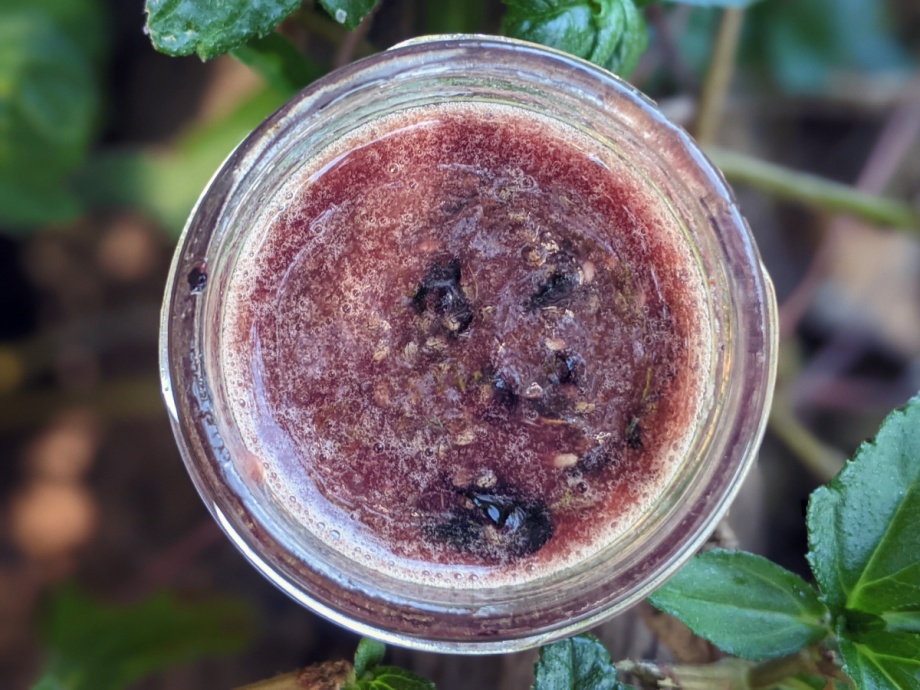
I first discovered these wonderful seeds when I was looking for ways to make jam without the use of pectin and processed sugar. Chia seeds can absorb up to 10–12 times their weight in water, becoming a gel-like substance. Ideal to make jams and puddings!
My family and I are hooked. Even my mom hasn’t made normal jam ever since I showed her how to make chia seed jam. It is so easy to make and only takes 5 minutes. Plus, they are much healthier than the store-bought varieties.
Check out my yummy vanilla-flavored blueberry jam recipe below. It’s my family’s favorite. Don’t like blueberry and vanilla? No worries, the recipe can be made with nearly every fruit. Yesterday I made a kiwifruit-strawberry combo. Yummy!
10 Reasons To Add Chia Seeds To Your Diet
Before I tell you how to grow your own supply, let’s take a look at what chia seeds can do for you.
1. Keeps Your Stomach Full, Prevents Overeating, And Assists In Weight Loss
Due to their high fiber content, chia seeds will give you a stuffed feeling over a longer period and avoid overeating. When you eat chia seeds, they absorb water, forming a gelatinous substance that expands in your stomach and takes more time to digest.
A lot of people eat chia seeds just before their meals to reduce hunger. But note that chia seeds must not be used as a meal replacement, they don’t contain enough nutrients and calories.
Although chia seeds aren’t a weight-loss miracle on their own, they may be very helpful as a weight loss aid.
2. Reduce Glucose Levels
Chia seeds have a positive effect on balancing glucose levels. Therefore it is a great option for diabetics. They can decrease high levels of insulin and reduce insulin resistance. They slow down the metabolic rate of complex carbohydrates.
3. Good For Overall Heart Health
Chia seeds are good for your overall heart health. They lower cholesterol, triglycerides, and blood pressure. People with low blood pressure, however, should not add chia seeds to their diet regularly.
4. Energize Your Body
Mayas and Aztecs used chia seeds to improve their energy levels and stamina. These days chia seeds are also becoming a staple for many athletes.
5. Gluten-free
Chia can be used on a gluten-free diet as it does not contain gluten or grains.
10-day whole food reset plan: A SIMPLE CLEANSE OF BODY AND MIND
A healthy body reset to lose weight, eliminate toxins, and kick-start your new way of life. No cranky starving process on a dash of lemon juice and a single bean, but a 10-day transformation to rev your weight loss engine and live a healthier life.
6. Good Source Of Omega-3 Fatty Acids
Chia seeds are one of the richest plant-based sources of omega-3 fatty acids (60% of its lipid profile). They contain 100% more omega-3 than salmon.
Omega-3 can aid us to reduce inflammation, enhance brain function, and reduce cholesterol and depression.
They can safely be added to your diet when pregnant to boost the brain development of your baby.
7. Detoxification Of Your Body
Thanks to their high fiber content and swelling action, chia seeds can absorb toxins and aid you to cleanse your body.
8. Jam-packed With Antioxidants
Chia seeds protect your body against harmful free radicals, aging, and cancer. They contain higher levels of antioxidants than blueberries.
9. Strengthen Bones And Teeth
Chia seeds are rich in plant-based calcium to maintain strong and healthy teeth and bones. They may even help prevent osteoporosis.
The seeds are safe for kids to eat as well, but like mentioned before do not exaggerate, 1 ounce (28 grams) or 2 tablespoons a day is more than enough to reap their benefits and avoid stomach issues.
10. Egg Replacer
When you combine chia seeds with water, the outer layer swells to form a gel that can be used as an egg replacement.
To make a chia egg, mix 1 tablespoon chia seeds with 3 tablespoons of water, let sit for about 5 minutes and your “egg” is ready for use. You can use it to make cookies, bread, pizza crusts, veggie burgers, and much more.
If you take a look at the recipe section you will often find a chia eggs in my recipes. You can also use flax seeds in the same way. However, they need to be ground first. That’s why we usually use chia seeds.
Growing Chia Seed: How to Grow and Harvest Chia The Organic Way
Over the years, more and more people are deciding to grow chia at home. Not only is chia beautiful when it blooms, but it also has high nutritional value. And when you are growing your own supply, you are absolutely sure the plants haven’t been sprayed with yucky, health-damaging chemicals.
As mentioned earlier, I regularly use chia seeds in my kitchen. From adding them to my morning smoothies and turning them into delicious chia puddings or chia jams to using them as an egg substitute in most of my baked goods.
Growing Chia Seed Organically
Chia is super easy to grow. You might remember how easy those chia pets grew when you were just a little kid. If you never heard of chia pets before, this was what they looked like and I loved them.
Before you start growing chia seeds, consider first when and where you’ll plant your seeds. Chia is a seasonal plant, and it is highly advisable to plant your seeds in early spring as they could easily die due to frost if planted too late.
As for the space needed, a chia plant grows taller and wider than your typical herb plant. That’s why it needs ample space for it to grow.
When planting, you don’t need to dig a deep hole in your garden. You just need to rake the soil or loosen it a bit with your hands, before sprinkling the seeds.
Lightly rake the soil afterward, or gently press the seeds to be covered in soil. You can also germinate the seeds in a pot before transplanting them once they start to sprout.
If growing them in pots, keep them where there’s enough light for them to grow, and don’t forget to water them regularly. When adding mulch or compost, it is best to put it on top and let your plants feed on top of the soil.
Also, make sure that the area where you’re growing chia is weed-free. As most plants, chias don’t grow well with weeds.
Once your plants have grown over 3 inches (about 7.5 cm), you can start replanting them. Make sure to leave at least 12 to 18 inches (30-45 cm) of space between your plants when transferring them to the garden.
When using pots, make sure they are big enough to accommodate their size as they mature.
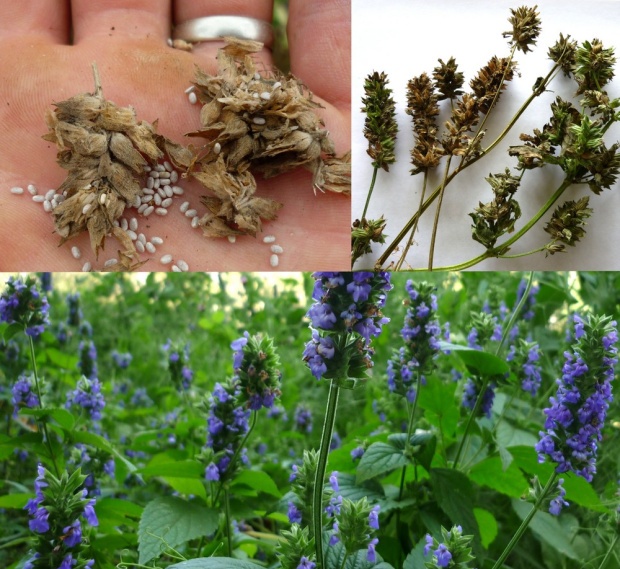
Harvesting Chia Seeds
You can start collecting individual flower heads when most of the petals fell off. Put the flowers on a drying rack or in paper bags and leave them open to let the air circulate as they dry.
Once the flowers are dry, crush the dried flower heads using your hands to separate the seeds. When you’re done, use a strainer to sift through the seeds.
If ever your chia heads are already dry and yellow before you cut them off the plants, you can still harvest your seeds without losing too much. What you can do is cut the flower heads using a pair of scissors. Put a bag underneath to catch the seeds and flower heads as they drop. When done, you just need to shake the bag to separate the seeds.
Another way is by shaking the flower heads while holding a bag underneath them to catch the seeds. However, this can be a slow and tiring process, especially if you have a lot of chia plants. That’s why harvesting chia when it’s not yet fully dry is still the best alternative.
Growing chia seeds is easy and will add to the beauty of your garden. Apart from that, you can be sure that your produce is organic and super nutritious
.
What are your favorite chia seeds uses? Or have you tried growing your own supply? Please share your thoughts with us in the comment box below.
Amy Goodrich is a certified holistic nutritional therapist and former plant biologist. Her mission: inspiring people to adopt a more natural lifestyle to prevent/cure illness. Through her blog, Amy shares her own experiences with managing her husband's autoimmune disease through the power of whole foods. EatLove.Live covers strategies for doing so, with posts about how to gradually change your lifestyle. Amy is obsessed with cats, travel, and delicious plant-based foods that nourish and heal the body from the inside out.