

Many nutrition experts, myself included, do not recommend the consumption of various kinds of bread, white bread in particular, at every meal.
Though there is nothing wrong with eating carbs, especially when you are on a plant-based diet, most people are eating the wrong kind of carbs.
The Truth About Low Carb Diets
For years, the general rule health-conscious people or dieters followed was: If you want to live healthy and/or lose weight, keep your carbohydrate consumption low. The rationale is that carbohydrates eventually lead to calories so with less of those in your system, the fewer you can store as fat.
Recent studies, however, have completely debunked this school of thought. Nowadays, the idea is this: SLOW, NOT LOW
Why Low Carb Diets Don’t Work
Simply put, carbohydrates are essential for the body to function properly. Cutting them out will result in an SOS cry from your system – which means that you’ll crave them more. This is why people who go on a low-carb diet eventually gain back the weight they lost after sticking to a “healthy” lifestyle became too much.
Of course, that doesn’t mean that carbohydrates are good and that you should load up on them. The truth about low-carb diets is this: there are different types of carbohydrates, and their usefulness comes down to their kind.
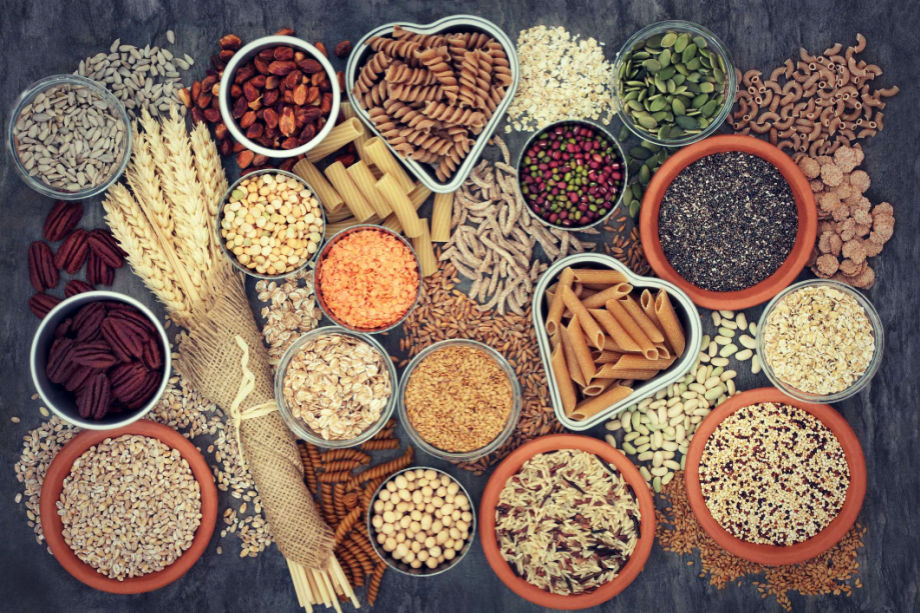
For example, rice is considered a carbohydrate but as a dietician and nutrition expert, I only recommend eating brown rice – or whole grains such as quinoa, buckwheat, amaranth, or millet – rather than white rice because their dietary components are very different.
To make this example more distinct, compare ice cream and whole-wheat bread. They’re both carbohydrates, but you can hardly lump them in the same category, health-wise.
The Significance of Slow
When it comes right down to it, your focus should not be on eating fewer carbohydrates but rather, eating the “right” carbs or the ones that have a slow burn.
Slow carbohydrates provide your body with a steady stream of energy that can be utilized throughout the day so that you don’t suffer from “crashes” that usually come from sugar overload. This means you won’t find yourself growing overly tired even before the day ends.
Another significance of slow or complex carbohydrates is that they allow you to feel fuller for longer periods. Hence, you won’t have these nagging cravings during the day that only make you consume more food.
Typically, slow working carbohydrates are also low in sugar and high in fiber. This helps with digestion and prevents spikes in insulin levels (blood sugar level).
Food with Slow or Complex Carbohydrates
Generally speaking, all vegetables are an excellent source of slow carbohydrates. Green and leafy vegetables specifically are excellent, not just as a carbohydrate source. They pack a broad range of essential vitamins, minerals, and other health-promoting nutrients.
What you should avoid are processed carbohydrates or anything made from white flour. Processed foods laced with sugar (cakes, cookies, pastries, candy, etc.) must also be removed from your list because these are the ones that eventually turn into belly fat. Yes – consuming them in small amounts is okay once in a while to indulge yourself but primarily, your carbohydrates should be based on whole foods.
While white bread is processed and stripped of dietary fiber and minerals necessary for the body, vegetables and whole grains come whole and contain both vitamins and minerals.
Types of Carbohydrates
There are four types of carbs today: green, yellow, red, and white.
- You can eat as many as you wish of green carbs found in vegetables
- Yellow carbs (whole grains) are best eaten in moderation
- Red carbs (starchy vegetables and sugary fruits) must be eaten in limited amounts
- White carbs (refined, white flour, sugar, white rice, etc.) must be avoided entirely
10-day whole food reset plan: A SIMPLE CLEANSE OF BODY AND MIND
A healthy body reset to lose weight, eliminate toxins, and kick-start your new way of life. No cranky starving process on a dash of lemon juice and a single bean, but a 10-day transformation to rev your weight loss engine and live a healthier life.
Why You Should Eat Bread In Moderation
Before we can answer whether sourdough bread is healthy or not, let me explain why we should eat any kind of bread in moderation.
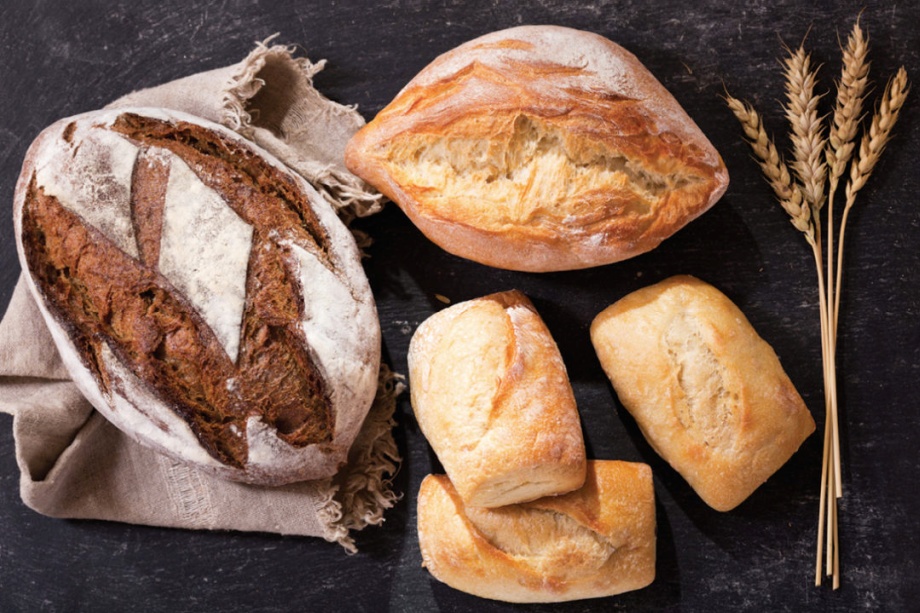
As mentioned above, white bread or bread made with a percentage of white flour should be avoided at all times. Instead, opt for good quality bread made 100% from whole grain flour or make your own. It is easy and cheap.
My favorites are homemade rye-buckwheat bread and rye sourdough bread.
Moderation Is Key and Here’s Why
Bread can mess up blood sugar levels
Most bread contains amylopectin-A. It is one of the main components of starch and is involved in our metabolism. It places the body in a series of high and low blood glucose.
Research has shown that overconsumption of amylopectin-A may promote the development of insulin resistance which, over time, can lead to diabetes type 2.
Highly addictive
Bread gives a feeling of euphoria, making us crave to eat more of it. This makes it difficult to remove (or reduce) bread from our diet. Even if we want to.
Some bread contains gluten
While there is nothing wrong with consuming gluten-containing whole foods in moderation, many people these days are showing signs of gluten sensitivity.
Gluten are found in wheat, barley, rye, triticale, durum wheat, spelt, and farro.
It makes the stomach work harder
The gluten and starches in bread need more time and strong acids to be digested. This makes the stomach work overtime and can give rise to many digestive complaints.
Contains phytates
Phytates are plant anti-nutrients that interfere with the absorption of many vitamins and minerals.
Is Sourdough Bread Healthy?
Allow the benefits of sourdough bread to answer this question.
However, keep in mind what we have discussed above. Though bread made from whole grains can be part of a healthy diet, especially when made with a sourdough starter, they should be eaten in moderation.
Here are 3 reason why sourdough bread is healthier
#1 It contains wild yeast and good bacteria (Lactobacillus)
These two ingredients of sourdough bread predigest the starches — hence, it lightens the workload of the stomach and the digestive system as a whole.
Aside from this benefit, lactobacilli stimulate the production of lactic acid. This substance stops the negative effect of phytates (found in the flour), which is interfering with the absorption of nutrients. Therefore, the person is guaranteed of taking in all the vitamins, minerals, and healthy elements in sourdough bread.
At the same time, lactic acid prevents spikes of blood glucose as it slows down the release of glucose into the bloodstream. It also lowers the glycemic index of the bread; hence, the individual is less susceptible to hyperglycemia or increased blood sugar level.
Lastly, the fermentation process (while making the bread) permits other beneficial bacteria to flourish in the gut. This means a healthier gut for the sourdough bread lover.
#2 It is overloaded with nutrients
Unlike commercially prepared bread, sourdough bread has vitamins E, B1-B6, B12, niacin, thiamin, folate, riboflavin, iron, selenium, manganese, magnesium, calcium, phosphorus, and potassium — not to mention proteins and fatty acids.
One thing that sourdough bread does not have (that the other types of bread have) is toxic preservatives. This is because it has its own natural preservative – acetic acid – that inhibits the growth of molds.
#3 It is safer for gluten-sensitive individuals
Why? The fermentation process of sourdough bread permits the good bacteria to break down the gluten proteins into small amounts. This makes sourdough bread tolerable for gluten-sensitive people.
Research and experiments have also revealed that sourdough bread does not damage the intestinal lining of those sensitive to gluten, unlike other bread. There were no reports of clinical symptoms for them, too, that usually come with eating ordinary bread.
In conclusion, to answer the question, “Is sourdough bread healthy?” The answer is a plain and simple “YES.” But as I have said many times before, moderation and balance are key.
are you a bread lover too? have you tried sourdough bread before? Let us know what you think of sourdough bread in the comment box below!

Amy Goodrich is a certified holistic nutritional therapist and former plant biologist. Her mission: inspiring people to adopt a more natural lifestyle to prevent/cure illness. Through her blog, Amy shares her own experiences with managing her husband's autoimmune disease through the power of whole foods. EatLove.Live covers strategies for doing so, with posts about how to gradually change your lifestyle. Amy is obsessed with cats, travel, and delicious plant-based foods that nourish and heal the body from the inside out.