

Except for water, proteins are the most abundant substance found in our bodies. They are involved in nearly every bodily task. We need proteins to repair and maintain body tissues such as skin, hair, muscles, eyes, and organs.
They are needed to transport and store molecules such as oxygen, iron, and hemoglobin. Next to repairing, building, and transporting, proteins are also needed to regulate and create many vital hormones and enzymes.
Although the Standard American Diet or Western diet contains twice as much protein as recommended, protein suddenly became the nutrient we can’t get enough of. I couldn’t help but wonder why the world got so obsessed with protein all of a sudden.
Are protein powders and protein-enriched foods a hype sold through clever marketing? Or do we need a protein supplement because we can’t get what our body needs from the food we eat?
Let’s find out what proteins are, why we need them, and why we should steer clear of protein powders and supplements.
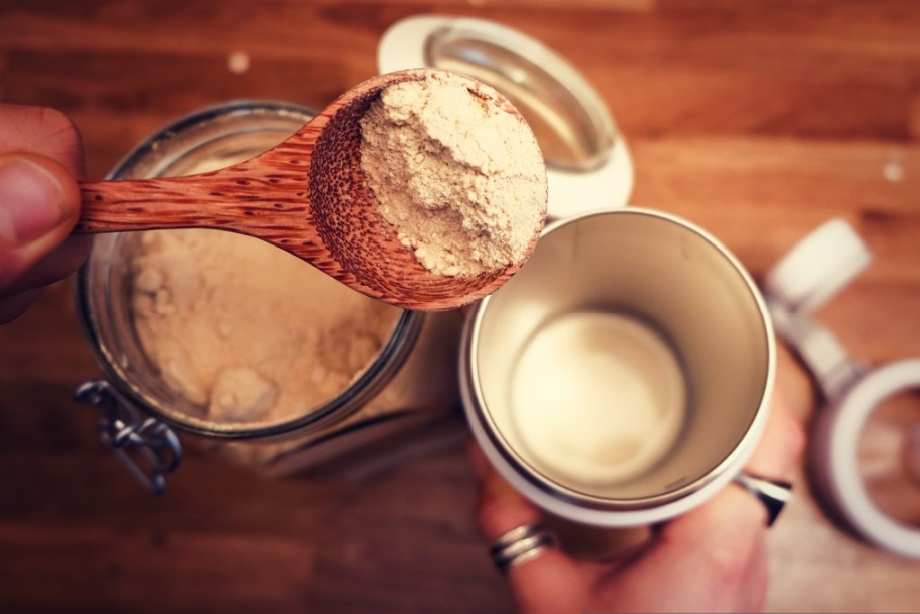
What are Proteins
Proteins are big chains of different amino acids. These small molecules have a similar structure, but each has a distinct characteristic that distinguishes it from all other amino acids.
From the 20 different amino acids your body needs to create proteins, nine are essential to your diet because your body cannot make them for you. These 9 essential amino acids are: phenylalanine, valine, threonine, tryptophan, methionine, leucine, isoleucine, lysine, and histidine
How Much Protein Do We Need?
How much protein we need a day depends on our weight. A good rule of thumb is to limit protein intake to 0,8 to 1 gram protein per kilogram of body weight, which is roughly 10 to 25 percent of your daily calorie need. To convert your pounds to kilograms divide your weight by 2.2.
Older adults, growing children, athletes, and pregnant/nursing women, however, may need more of it.
Proteins are the building blocks of our body, but we don’t need too much of them. Our body can’t store proteins so any excess protein is stored as fat while the surplus of amino acids is eliminated through the kidneys and liver. Over time, this can lead to weight gain. Furthermore, Overconsumption of proteins, especially animal protein, has been linked to several types of cancer, osteoporosis, kidney and liver diseases.
If you want to learn more about the health risks of consuming too much animal protein read “The China Study” – it is the most comprehensive study of nutrition ever conducted that studies the effects of our diet on our overall health and wellbeing.
The Importance of Protein in Your Diet
Eating enough protein is essential for your health. This is particularly true under certain conditions:
- You are not so young anymore: as you grow older, you process protein less efficiently.
- You are an athlete: protein is essential to build and strengthen muscles. It helps you recover from intense workouts or convalesce from injury.
- You have a stressful lifestyle: stress causes tissues and muscles to break down. If you are under constant increased physical or emotional stress, make sure that you increase your intake of protein.
- You are trying to lose weight: weight loss experts say that protein is one of the more important nutrients you need if you want to burn fat and lose weight efficiently without losing muscle tone. Proteins also help to balance blood sugar levels so that you go through fewer sugar cravings.
If you want to have more energy, recover from daily work and stress, and keep hunger pangs at bay make sure that you are getting enough protein in your diet.

8 Common Signs of Protein Deficiency
As mentioned earlier, there is a slim chance that you are not getting enough protein through your diet as most of us are consuming double the amount we need to function properly.
However, on rare occasions, some people might not get enough of this vital macronutrient. Below you’ll find 8 signs of protein deficiency to watch out for.
#1 You Cannot Have Enough Sweets
Protein keeps your blood sugar stable. If you are protein deficient, your blood sugar goes awry. When this happens, your body craves sweets for a quick energy fix.
Sugar, however, is a simple carb and easily processed. That’s why your energy will go down quickly after consuming sweets and the cravings start all over again.
#2 You Cannot Concentrate
You need to keep your blood levels steady so you can stay focused. Without protein, your blood sugar levels go up and down constantly. Moreover, you will find it hard to concentrate on anything.
Your brain needs a stable stream of carbohydrates so it can work efficiently. Eating adequate protein facilitates the time-release of carbohydrates so that you do not run out. Without protein to do this, you will simply have fleeting blasts of mental energy. When the bursts pass on, your brain has a tough time staying alert.
#3 You Lose Muscle Tone and Strength
You need protein to build and maintain strong muscles. If you do not get enough protein, you lose muscle tone and strength. Your joints will become stiff and your muscles tight and sore.
Furthermore, your body may weaken and you may not be able to perform your regular workout and exercise routines with your usual form and power.
#4 You Experience Hair Fall
Protein is the building block of cells. Even your hair follicles require protein to stay strong and healthy. If you lack protein, your hair strands may thin out and become weak and brittle. You are likely to notice increased hair fall.
10-day whole food reset plan: A SIMPLE CLEANSE OF BODY AND MIND
A healthy body reset to lose weight, eliminate toxins, and kick-start your new way of life. No cranky starving process on a dash of lemon juice and a single bean, but a 10-day transformation to rev your weight loss engine and live a healthier life.
#5 You Notice Ridges In Your Nails
Lack of protein often results in white lines or ridges on the finger- and toenails.
#6 You Often Get Sick
A lack of protein in your diet may undermine your immune system. When you are protein deficient you easily catch colds and other infections. Insufficient protein causes the skin to crack or tear. This exposes your system to pathogens that may easily enter your body through the skin.
#7 You Often Have Edema
You need protein to stabilize the amount of water in your body. Protein deficiency leads to edema (in layman’s terms, swelling), especially around the ankles, feet, and legs.
#8 You Are Moody
Protein stabilizes your blood sugar. Without it, you are likely to go through a roller coaster of highs and lows in energy and mood. You find it tough to handle stress calmly and also find it difficult to sleep.
Protein Powder Health Risks: Why You REALLY Shouldn’t Use Protein Powders
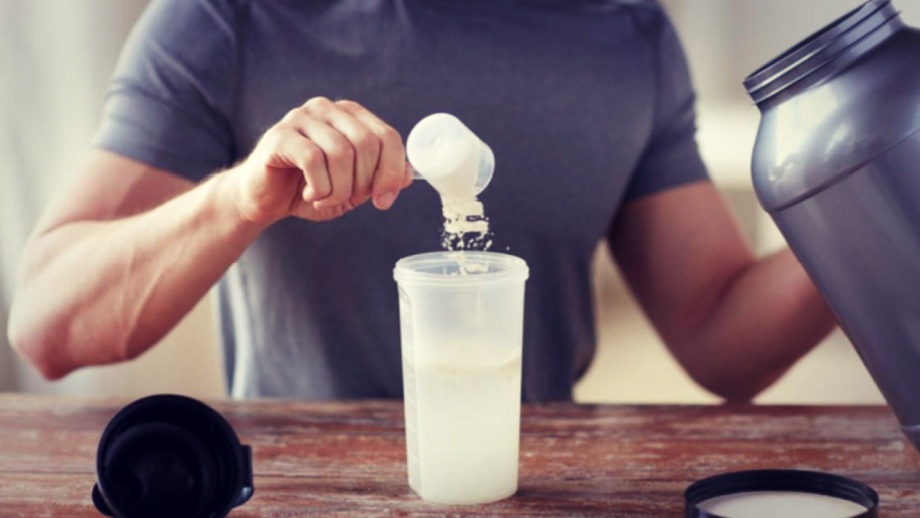
Protein powders have been a popular health aid, especially among athletes and bodybuilders. Followers of these people have become consumers of this fad supplement as well. Protein powders are exactly what their name implies: protein extracted from several sources like casein, whey, and soy.
The powdered products have been marketed as a quick and convenient supplement to boost protein levels and fitness. However, people usually miss the fact that such products may only be necessary and helpful when you are a professional athlete or have a protein deficiency. And even then they’re better and healthier solutions to up your protein levels.
Precautions for Protein Powders
Protein powders are highly processed products. They may be from natural sources, but producing a packet for consumption undergoes manufacturing procedures like the addition of artificial colors and flavoring. Some products may also include preservatives.
There are numerous protein powder health risks. Let’s take a closer look at why you should steer clear of protein powders to protect your health and wellbeing.
#1 Allergies
As mentioned, the three common sources of protein powders are casein, soy, and whey. As these are derived from dairy and soy products, some users can have an allergic reaction to them.
People with milk allergies must avoid protein powders regardless of the animal milk source (cow, goat, mare, or sheep). Some people have reported allergic reactions to whey exposure including diarrhea, infant colic, rash, and vomiting.
#2 Strain on the Kidneys
One known side effect of excess protein consumption is a strain on one’s kidneys. High-protein levels caused by excessive intake of protein supplements or protein sources lead to a more acidic processed food load that passes through the kidneys. This, in turn, harms kidney functions and may lead to higher risks of kidney stone formation.
#3 Disrupting Calcium Metabolism
Another of the major protein powder health risks is a disruption in calcium metabolism that presents an overall bone health risk. An incremental increase in protein uptake also increases the excreted calcium in our urine. Lesser amounts of calcium in our system then leads to increased risks of bone loss or osteoporosis.
#4 Other Overdose Side-Effects (particularly with whey-based products)
Protein deficiency can be a health issue, but the other end featuring excess protein through an overdose of protein powders does not offer better scenarios.
Remember that anything in excess can also be bad. The following are possible side effects from overdosing on protein powders (especially whey).
- changes in cholesterol levels
- abnormal heart rhythms
- headache
- liver damage
- increased diabetes risk
- stomach or intestine symptoms (acid reflux, constipation, cramps, bloating, gas, movement problems, increased bowel movements, reduced appetite, swelling of limbs, nausea, and upset stomach)
- thirst
It’s Easy to Include Natural Protein into Your Diet!
The best way to achieve bodybuilding goals and basic health is through a balanced diet. Eating balanced meals protects us from deficiencies like low protein count.
Under normal conditions, the body will not need extra nutrients through supplementation when they are sufficiently addressed by daily diet.
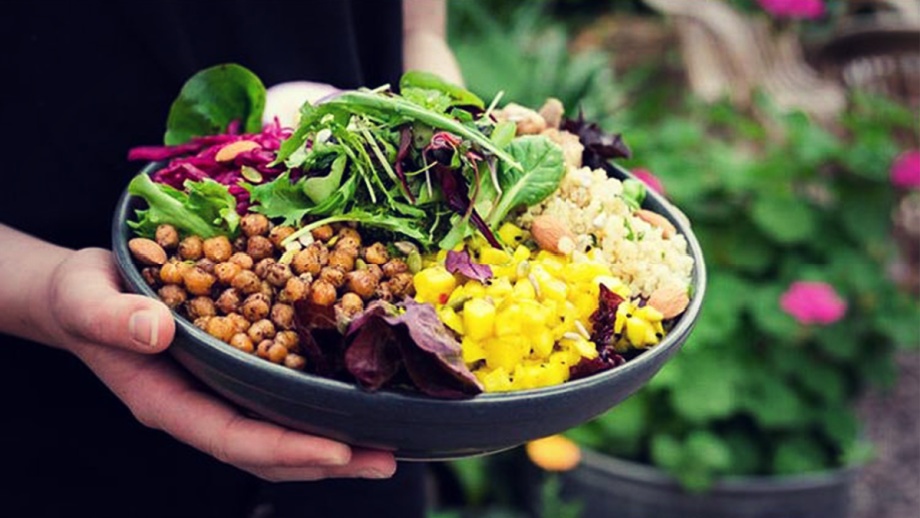
Incorporating protein-rich foods into your diet is not difficult. There are many natural sources of protein. Though many people think it is impossible to get enough protein on a plant-based diet, the opposite is true.
While I choose to eat a plant-based diet for animal cruelty and health reasons, this doesn’t mean occasionally eating animal products that come from a reliable source is bad for your health. However, moderation is key! You don’t need to have meat or other animal products every single day to meet your protein and vitamin B12 requirements.
Thanks to the paleo movement people started to believe that we need more meat in our life. But the opposite is true. Do you know how difficult it is to hunt and catch prey? Our gatherer and hunter ancestors were more gatherers than hunters. Believe me. They didn’t eat meat every day!
Again, if you want to learn more about what too much animal protein does to our body, I advise you to read “The China Study.”
If going without animal protein is too much for you, you can occasionally include good sources of animal protein in your diet. These include organic eggs, fresh fish, poultry, and other lean, organic meats. Avoid dairy, deli meats, and other processed animal products.
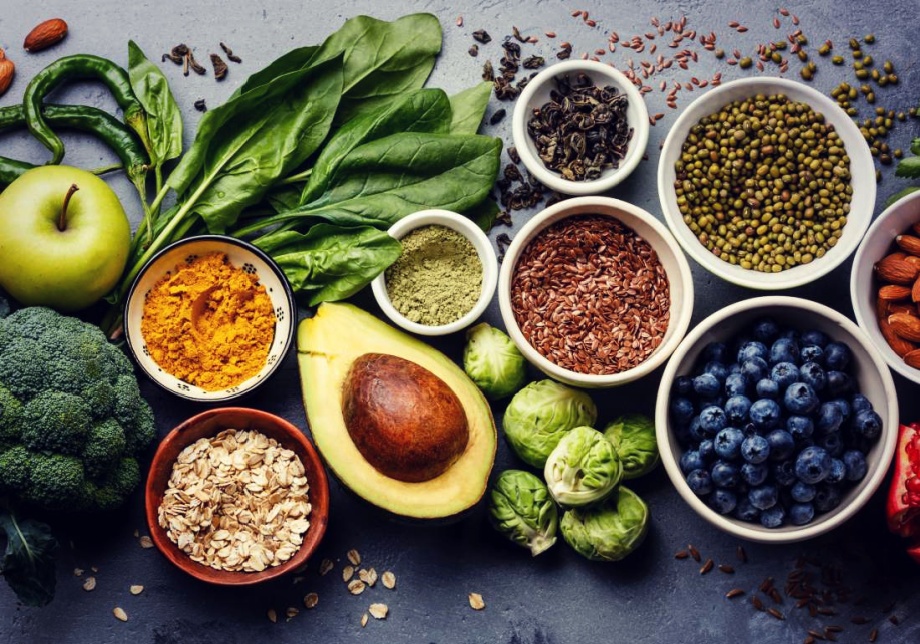
It is much better, however, to get your protein from plants. All plants contain protein, but the best sources to up your intake include lentils, chickpeas, beans, seeds, nuts, sweet potatoes, peas, spinach, fresh moringa leaves, and other leafy green vegetables. In addition, oats, brown rice, quinoa, corn, whole wheat, and other whole grains are also good sources of protein.
Why Plant Protein Is The better Option
As a plant-based muncher and nutrition expert, I often get the question from family, friends, and clients about how I meet my body’s daily need for protein. And the answer is simple, most plants contain protein and it is a matter of adding the right kind of plant protein sources to your daily diet.
Many plants contain amounts of proteins that match or even exceed the protein quantities of beef, chicken, fish, and dairy, without adding cholesterol or unhealthy fats to your diet.
On top of that, they provide a wide range of healthy nutrients such as antioxidants, fiber, vitamins, and minerals; and most of them neutralize acid-forming metabolites. Those metabolites are closely related to weight gain, weak bones, premature aging, and the risk of developing cancer and many other life-threatening diseases.
Did you fall for the protein powder health craze? Ready to make the change to whole foods to meet your daily needs? Let us know in the comment below!

Amy Goodrich is a certified holistic nutritional therapist and former plant biologist. Her mission: inspiring people to adopt a more natural lifestyle to prevent/cure illness. Through her blog, Amy shares her own experiences with managing her husband's autoimmune disease through the power of whole foods. EatLove.Live covers strategies for doing so, with posts about how to gradually change your lifestyle. Amy is obsessed with cats, travel, and delicious plant-based foods that nourish and heal the body from the inside out.