
Recently, my husband and I did a 3-day or 72-hour coconut water fast in the name of science and health. While many people believe fasting is an unhealthy and dangerous process, if you are no stranger to the natural health world then I’m sure you have heard about the amazing, positive health effects fasting or intermitted fasting can have on your body. If this sounds too hippy-dippy or surreal to you, science agrees that it’s good for you.
Though we have done veggie or fruit fasts in the past, having only water or coconut water is something we never did before. Inspired by a scientific study we saw passing by claiming a 3-day water fast resets the immune system and may help fight the effects of chemotherapy, we were eager to find out more and test this for ourselves.
While having no food for 3 days may sound extreme and crazy to you, fasting has been part of many cultures and religions. Think of the Christian season of Lent, the Islamic holy month of Ramadan, or the Jewish holy day of Yom Kippur. Buddhism, Judaism, Taoism, Jainism, and Hinduism are other examples of religions and philosophies that include fasting in their rituals and lifestyle.
Fasting has been around for ages and will continue to be a regular practice for many cultures in the future. But what does science says about this ancient practice?

Are We Eating Too Much?
Yes, we are!!! Have you ever written down or displayed all the food you eat daily? I’m sure you will be amazed by the volume of it.
Think our early ancestors had plenty of wild foods to munch on? Think again!
Over the years we have been accustomed to the convenience of markets and grocery stores that sell plenty of foods from all the corners of the world. Our ancestors, however, didn’t have the luxury of a grocery store with a million options to fill their bellies.
Though you might have a Flintstone-like picture of huge T-bone steaks and berry feasts in mind when thinking of our ancestors, the truth is they did not always have access to food. They ate when they found food and (involuntarily) fasted when they didn’t.
Similar to animals, our ancestors didn’t eat breakfast, lunch, and dinner daily. Sure they feasted on the catch or find of the day. But don’t think they were so lucky to have some every day. In between each catch or find, they often went without food for long periods.
The science around fasting
According to many studies, fasting for just 3 days can have a tremendous effect on overall health. According to one study – supported by the National Institute of Aging (a division of the National Institute of Health) – fasting not only boosts the immune system but regenerates it entirely, shifting stem cells from a dormant state to a state of self-renewal.
This will boost your chances of living a long and healthy life. As noted by the researchers, this is the first evidence of natural intervention triggering stem cell-based regeneration of an organ or system.
The authors of the study focused their research on people receiving chemotherapy. Imagine the preventive, immune-boosting, and regenerative effects fasting can have on all people.

Fasting to reset and renew your body
In conclusion, the study reported that these findings may have major implications for healthier aging. When we age, the immune system decline contributes to increased susceptibility to many diseases, including cancer and heart diseases. The two leading causes of death worldwide.
Furthermore, these scientists noted that prolonged fasting cycles — or periods of no food for two to four days for six months — can kill older and damaged immune cells and generate new ones.
“We could not predict that prolonged fasting would have such a remarkable effect in promoting stem cell-based regeneration of the hematopoietic system,” said corresponding author Valter Longo, Edna M. Jones Professor of Gerontology and the Biological Sciences at the USC.
“When you starve, the system tries to save energy, and one of the things it can do to save energy is to recycle a lot of the immune cells that are not needed, especially those that may be damaged. What we started noticing in both our human work and animal work is that the white blood cell count goes down with prolonged fasting. Then when you re-feed, the blood cells come back. So we started thinking, well, where does it come from?” he added.
Could fasting be the answer to a healthier and longer life?
Prolonged fasting forces the body to use stored glucose, fat, and ketones while destroying old white blood. The depletion of white blood cells then triggers the regeneration of new ones. Additionally, fasting reduces the enzyme PKA (an enzyme associated with aging and longevity) and IGF-1 (a growth factor hormone linked to aging, tumor growth, and cancer).
Furthermore, the research also implies that fasting can have positive effects on those with autoimmune diseases. Since my husband has Multiple Sclerosis (MS), we were eager to try this fast and see what all the fuzz is about.

Why coconut water fast?
Though I’m no stranger to fruit and veggie cleanses, having nothing else but water sounded a little too crazy. Especially for my husband, it was a bit too much. Therefore, we decided to add coconut water to the game! I know research said water only – that will be our aim for the future – but for now, we’ll stick to the coconut water.
Coconut water fasts have also been shown to have powerful cleansing benefits and immune-boosting and regenerative properties.
Is coconut water healthy?
One of the things I love about living in the tropics is the abundance of fresh coconuts. In only a few months of moving here, I got addicted to the water of young coconuts. And the best part, they help lose and maintain weight and taste so much better than plain water.
Coconut water offers many health benefits to those who drink it regularly. It is a wholesome, nourishing, and refreshing drink, which contains naturally occurring sugars, electrolytes, minerals, vitamins, cytokines, amino acids, and enzymes.
If you check online, you’ll find that there are hundreds of people willing to prove the truthfulness of this claim! Plus, it looks kinda cool to drink straight from the coconut… so much more fun than drinking a glass of water!
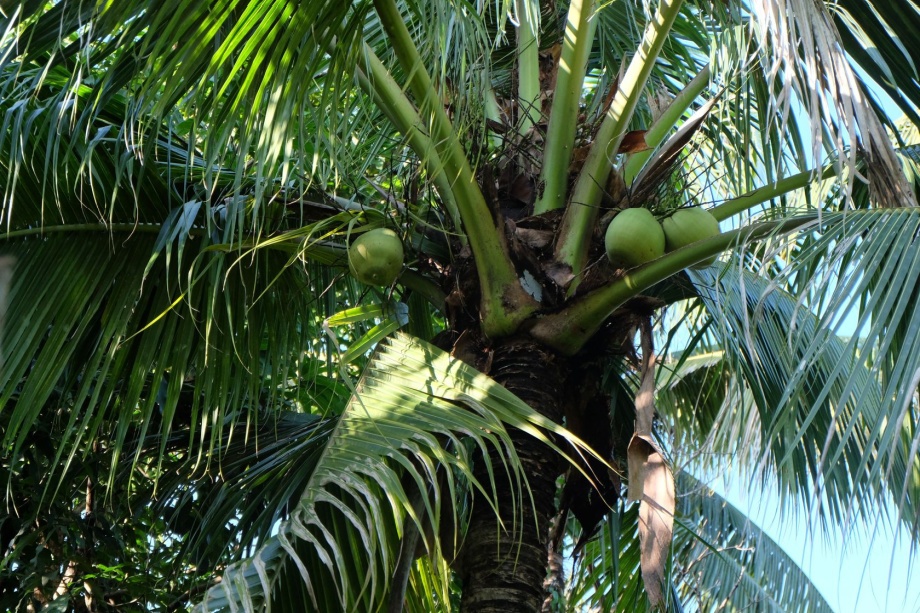
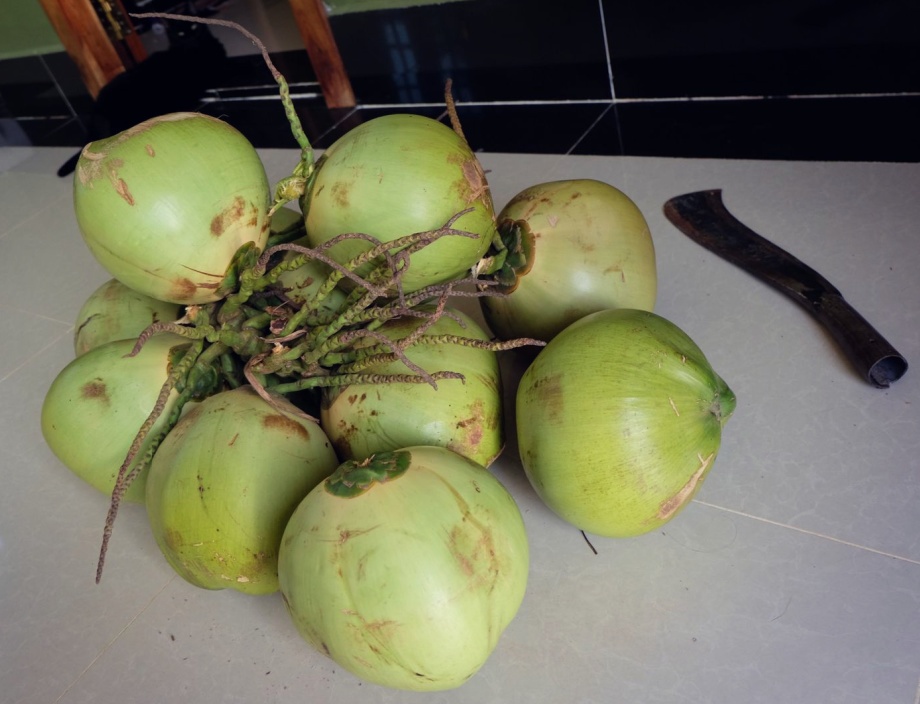
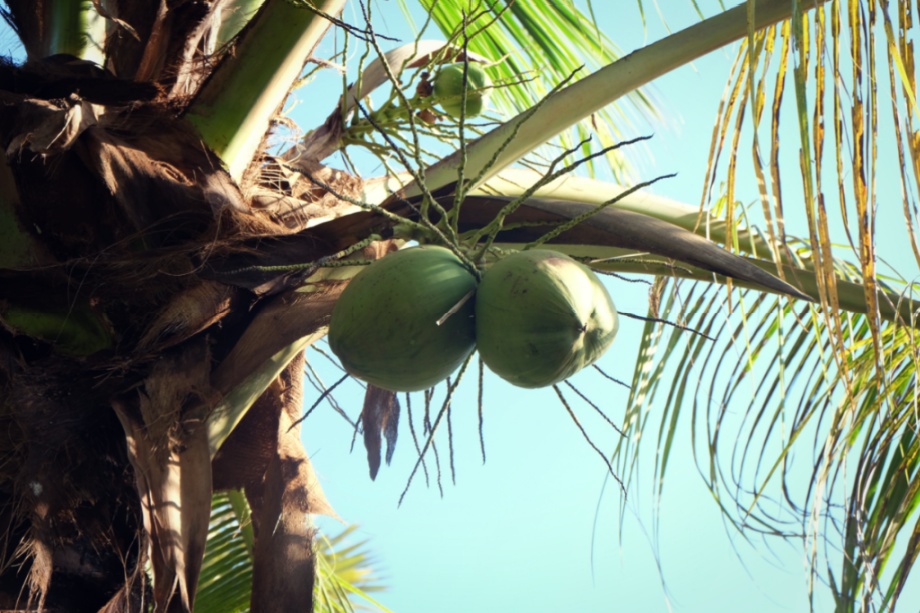
As mentioned earlier, living in SE-Asia has made me a coconut water addict. We are feeling so blessed to have so many coconut trees in our garden. However, getting the fruits out of the trees, and then opening the nut with a machete is another thing! A machete and I are the perfect combo for disaster.
Luckily our lovely neighbor knows how to climb these trees, and my hubby has mastered his coconut opening skills without losing any limbs.
What Coconut Water Can Do For You
#1 Drinking coconut water is a good way to stay hydrated
The drink is low in calories. It is also rich in potassium and electrolytes. It beats coffee, soda, and sugary fruit juices when it comes to quenching thirst.
Research shows that this beverage can help you stay hydrated more than sports drinks can. When you exercise for long periods, your body tends to lose water and other minerals. Coconut water helps replenish these lost fluids.
Did you know that in some third-world countries, such as Cambodia, patients drink coconut water to reduce dehydration, especially in cases of intestinal worms, constipation, dysentery, stomach flu, indigestion, and other similar gastrointestinal infections?
#2 It helps you lose weight
You can drink coconut water without worrying about gaining weight. It only has natural sugars, so it is not fattening. Moreover, it makes you feel full, so you are less likely to reach out for cookies or some other fattening snacks.
The main reason why a lot of people prefer beverages such as Coca-Cola is due to the addictive taste. Why drink bland water when you can get a soda or other refreshing beverages?
Coconut water manages to hit two birds with one stone in this area! It tastes great but without containing heaps of sugar, which is bad for the body. In fact, one cup of coconut water contains just 46 calories, compared to a glass of Coca-Cola that contains heaps of sugar and clocks around 182 calories a cup!
Next to being super yummy, it also boosts metabolic rate or the speed at which your body burns fat. Now, a lot of people have a slow metabolic rate due to their dietary choices – but coconut water manages to do the exact opposite!
It raises your metabolic rate so that you’re able to burn off more fat – even when at rest. Needless to say, combining coconut water with exercise means that you’ll be burning even more calories in the process!
#3 Natural Diuretic to get rid of toxins
Coffee and tea are great diuretics, in that they manage to promote the release of fluid from the body. Simply put, drinking diuretics will help you urinate more and essentially get rid of harmful chemicals and excess fat. However, coffee and tea aren’t exactly healthy when consumed in large quantities.
Not so with coconut water! You’ll find that drinking a reasonable amount of this drink helps with the cleansing process of the body – and you don’t have to add anything to make the fluid delicious! If you have kidney problems, this particular drink should help restore the health of your kidneys and even liver!
10-day whole food reset plan: A SIMPLE CLEANSE OF BODY AND MIND
A healthy body reset to lose weight, eliminate toxins, and kick-start your new way of life. No cranky starving process on a dash of lemon juice and a single bean, but a 10-day transformation to rev your weight loss engine and live a healthier life.
#4 Packed with electrolytes, Vitamins, and Minerals
The electrolytes, vitamins, and minerals contained in coconut water are unlike anything else you’ve ever tried.
Vitamins include vitamin B1 (thiamin), B2 (riboflavin), B3 (niacin), B5 (pantothenic acid), B7 (biotin), B9 (folic acid), and vitamin C. Natural coconut water also contains five key electrolytes: sodium, potassium, calcium, magnesium, and phosphorus.
FYI: coconut water contains more potassium than 4 bananas. Potassium is a vital mineral many Americans are lacking in their diet.
#5 Energizes the Body
Some athletes swear by drinking coconut water, noting that they have better stamina when using coconut water instead of regular water or sports drinks. The modest amount of natural sugar in coconut water also means that they’ll get that extra kick of energy – allowing them to play longer and better.
#6 It is a heart-friendly drink
The drink lowers your triglyceride and cholesterol levels. It has electrolytes (magnesium, calcium, and potassium) to help keep the heart strong and healthy.
Furthermore, It helps to bring down blood pressure. If you have hypertension, you need to cut down on salt The sodium in salt causes water retention. It makes blood exert more pressure on the walls of your blood vessels. If you want to avoid hypertension, then consider taking coconut water regularly. It is rich in potassium, which reduces the harmful effects of sodium on the body.
#7 It is an effective remedy for hangovers
You can get over a hangover by drinking coconut water. The water replaces the electrolytes that you lose when you throw up or urinate frequently due to the effects of alcohol.
#8 Coconut water helps you look young
This beverage promotes smooth and youthful skin. It is rich in cytokines that play a vital role in how cells grow, develop and age. It contains antioxidants, potassium, and lauric acid. These elements hydrate and support the connective tissues. They help you fight age-related diseases.
Although still unconfirmed by sufficient scientific research, initial studies show that coconut water helps control skin conditions like stretch marks, cellulite, acne, and eczema, as well as age-related skin problems like sagging, age spots, and wrinkles.

NOT ALL COCONUT WATER IS CREATED EQUAL – How To Choose The Right Coconut Water For Your 72H Coconut Water Fast
Without a doubt, the best coconut water you can get is the one you get directly from the young, green coconuts. Again I am feeling so lucky and grateful to have fresh coconuts in the garden and if we run out of our supply, every small drink shop along the road will provide you with this liquid wonder. Plus, they are super cheap. Only $0.5 a coconut.
If, however, fresh young coconuts are not available where you live, you’ll find that the market has jumped on coconut water’s growing popularity and demand. Just check out your local store or the internet and I am sure you will have no issues finding your daily supply of coconut water!
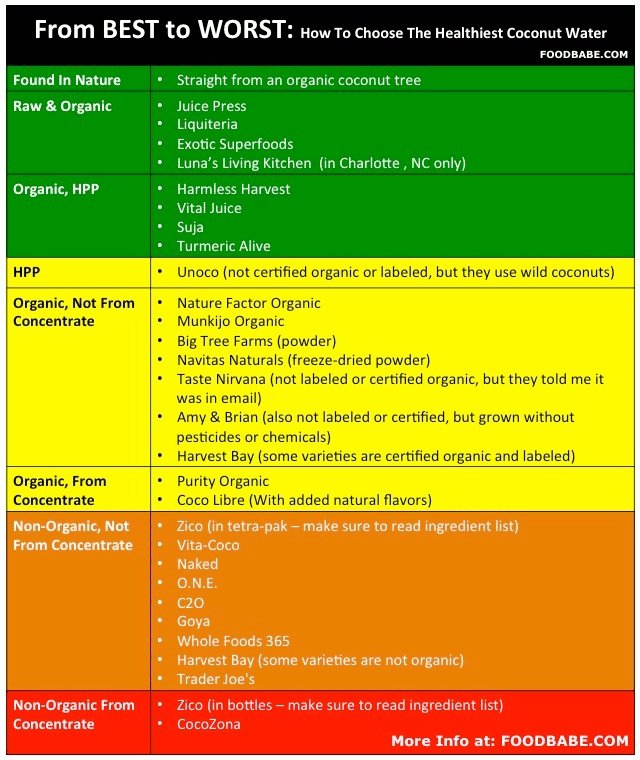
But as with many things in life, be careful when purchasing coconut water as it is not all created equally! Opt for good quality organic coconut water with no added sugars, flavors, or preservatives. And don’t let “made with 100% fruit juice” fool you. Most coconut waters are made from concentrate or pasteurized with heat to lengthen their shelf life. Once exposed to warm temperatures and air for some time, there is a high possibility that most of its nutrients will be diminished.
When buying coconut water in the store, fresh, unpasteurized or unheated, and not concentrated is always best to make sure all nutrients are still intact. HPP (high-pressure processing, no heat involved) is the best way to preserve the goodness of coconut water while extending its shelf life a little.
Also, try to avoid flavored coconut water. These are mostly artificial flavorings and contain heaps of added sweeteners.
Like mentioned before, living in the tropics blesses me with an abundance of young fresh coconuts, but there was a time fresh green coconuts weren’t as a common sight as they are now.
If you decide to do the coconut water fast, here is a great overview of good coconut waters shared by the Food Babe:
How Does It Work?
Coconut water fast is nothing more than abstaining from all food and drinking only coconut water and water for a minimum of 72 hours. Although coconut water fasting is not as popular as other fasts, it is equally effective.
It might not be for everyone, though. We are very blessed to have so many coconuts growing around us. Since many store-bought varieties of coconut water add sugar, preservatives, and other additives, doing a water or lemon water fast might be the better option for you.
During the fast: drink at least 1.5 to 2 liters of coconut water a day. In addition to the coconut water, drink a good amount of water too since coconut water is a diuretic and will make you pee a lot.
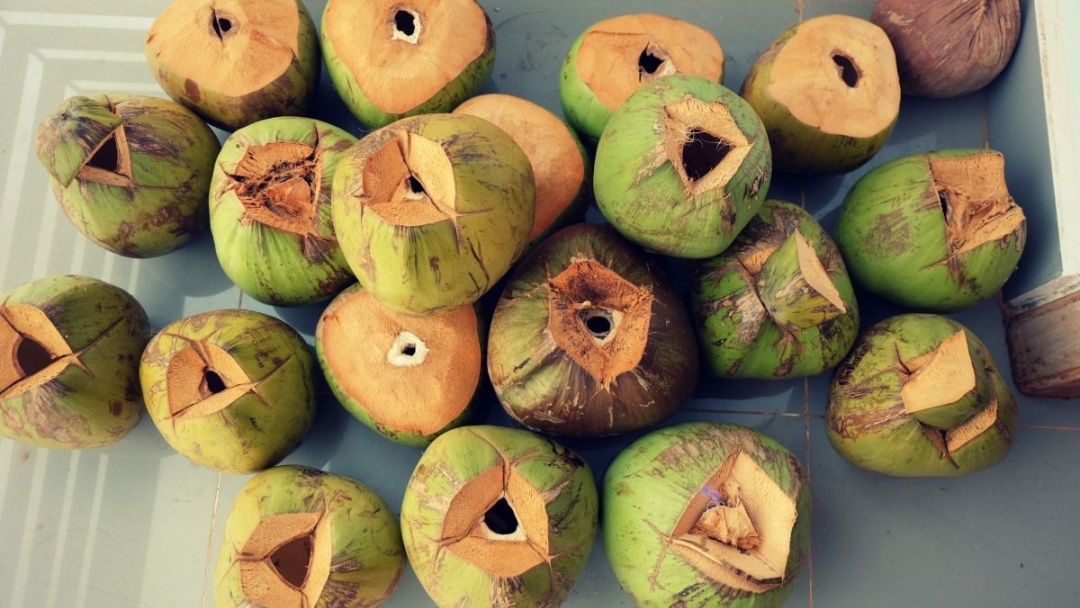
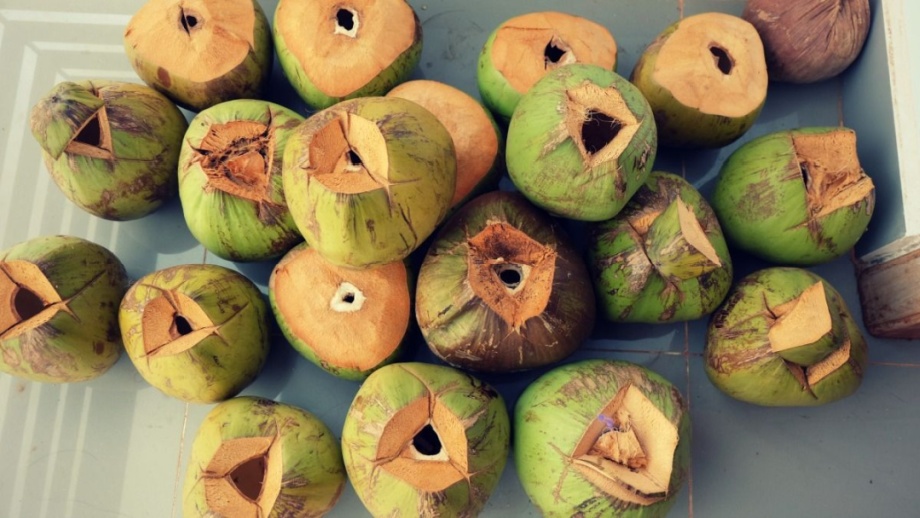
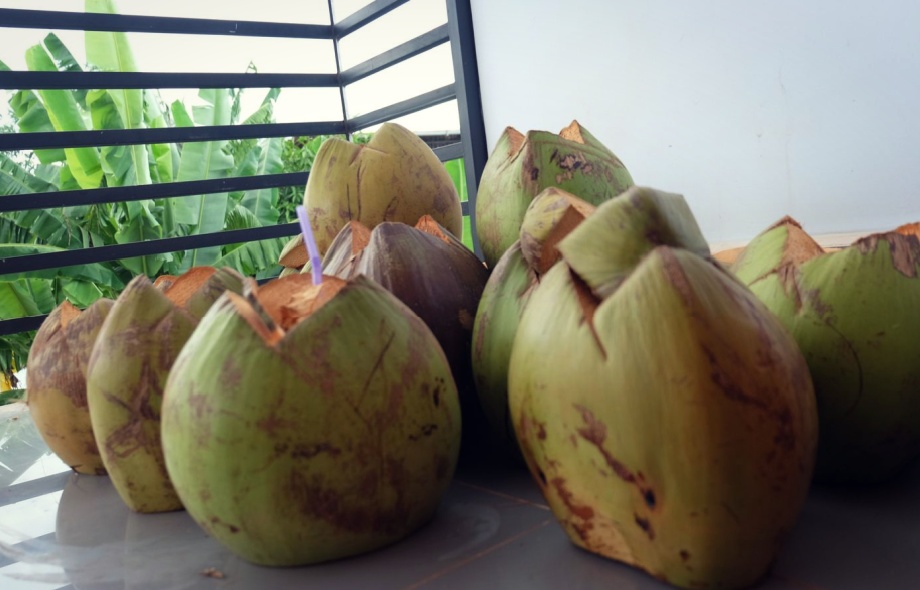
This (see pics below) is what a coconut water fast looks like after a day and a half!
What I’ve Learned From Doing a 3-day Coconut Water Fast
While I was fully prepared to experience the feeling of true hunger, I didn’t come to that. Although the desire to eat was there. Strange for a foodie like me, right? Maybe a water fast will get me that experience.
Does that mean it was easy? Not at all. The first day was peanuts. I even met up with two friends for lunch. They had some beautiful food and I had 2 coconuts. The next day I felt focused and energized in the morning, but by the time we reached 2 pm all my energy was drained and I could no longer focus on writing and working.
Right from the start, you will pee a lot and your sweat might smell a bit more than usual. But that’s fine since that’s a good sign of toxins leaving your body.
For both my hubby and me, fasting caused mild headaches at some point in the morning. This could be due to the going-without-coffee-in-the-morning syndrome. We are both coffee addicts!

Just after the fast everything tasted so good!!!! Unfortunately, the heightened taste sense did not last long.
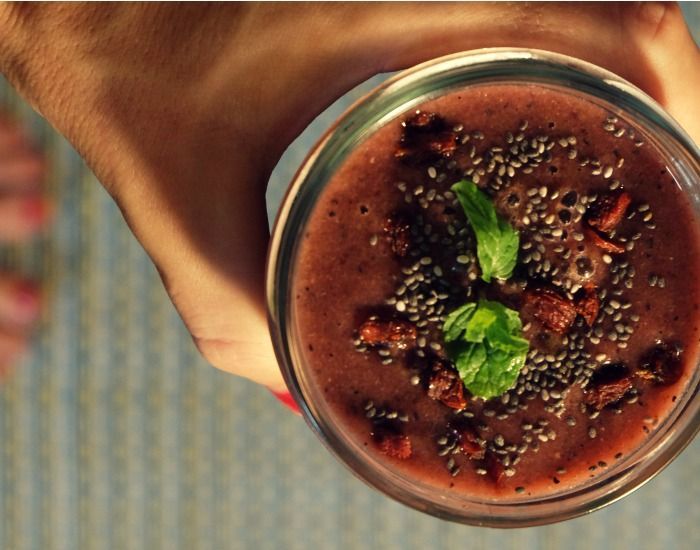
The morning after the fast, the first green smoothie and salad we had tasted just wow. A true feast and explosion of flavors. I can’t put the feeling or taste in words, but it’s like discovering a whole new world of flavors and smells.
All in all, this was a great experience and we will keep repeating it from now on!
The days after, we both felt energized, focused, and ready to tackle the world! There is some kind of a clear feeling in my head that I can’t put my finger on….
We’re in for more!!!! Do you have experience with water or coconut water fasting? Feel free to share your thoughts with us in the comment box below!

Amy Goodrich is a certified holistic nutritional therapist and former plant biologist. Her mission: inspiring people to adopt a more natural lifestyle to prevent/cure illness. Through her blog, Amy shares her own experiences with managing her husband's autoimmune disease through the power of whole foods. EatLove.Live covers strategies for doing so, with posts about how to gradually change your lifestyle. Amy is obsessed with cats, travel, and delicious plant-based foods that nourish and heal the body from the inside out.