
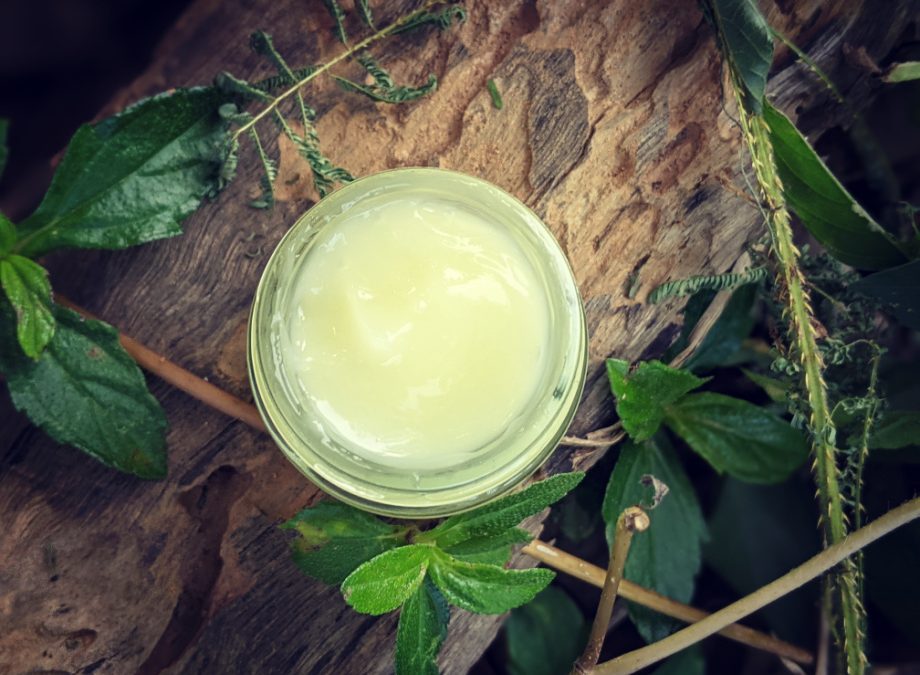
Aloe vera – aka Aloe barbadensishas – has been used in traditional medicine for more than 5000 years. Incredibly useful for natural healing and beauty care, the Aloe vera plant has long been prized as one of the leading herbal remedies available to man.
Not only does it nourish your body from inside – boosting immune function, providing beneficial nutrients, and aiding digestion – it can also be used topically to enhance your beauty and health.
Ancient Egyptians referred to this well-studied plant as “the plant of immortality”. Only recently, however, Western medicine and cosmetics have discovered this natural wonder.
Today we find Aloe vera gel as a common ingredient in lotions, makeup, soaps, and even in yogurt and beverages. But be aware, most of these products are heavily processed, resulting in the loss of most of the precious healing powers the plant has to offer.
WHY HOMEMADE ALOE VERA GEL IS GOOD FOR YOU
Aloe vera is one of the top 10 healing plants on earth. It is all about the juice or gel inside those thick, succulent leaves. It is safe to drink and can perfectly be used in food preparations.
Pure Aloe gel contains over 75 nutrients such as vitamins, minerals, enzymes, and amino acids. Polysaccharides, which are a special type of sugar, are an important factor in the healing of wounds and damaged cells. Furthermore, it also activates our immune system to protect the body against bacteria and viruses.
Aloe vera gel uses include the treatment of several skin conditions such as psoriasis and dry or damaged skin. It repairs the damaged collagen and will help your body to produce new tissue. It can be used as a pain reliever and decreases swelling. Aloe Vera works wonders on itching insect bites and it shows great results when applied to (sun)burns.
The juice or gel in the thick leaves contains anti-inflammatory saponins and antibacterial anthraquinones. It is rich in vitamin C, vitamin E, and minerals. Salicylic acid, the therapeutic compound of aspirins, gives Aloe vera its pain-relieving properties.
As you can see, this plant is very useful to have around the house. Plus, Aloe vera plants are super easy to care for.
HOW TO USE ALOE VERA GEL
EXTERNALLY
The gel from the leaves can directly be used on burns, insect bites, nettle stings, scalds, and rashes. It can also be used for the quick healing of wounds. If you apply the gel on a wound, make sure the wound is clean and not infected.
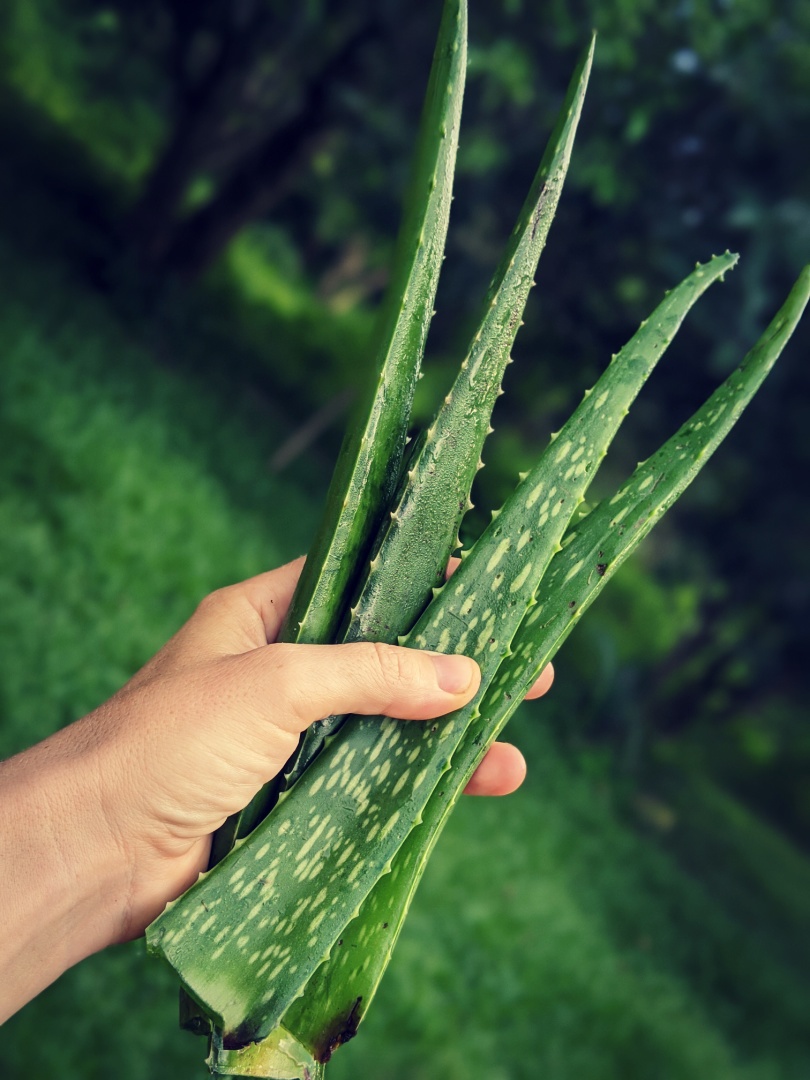
Take a fresh leaf and cut it open. Rub the leaf gently over your skin. To extract more from the leaf, take a knife or spoon and gently scoop the gel out of the inner side of the leaf.
It is important when you cut a leaf from your plant to always use the bigger base leaves. Don’t cut away new leaves or the plant will die.
INTERNALLY
Infusions can be made by cutting the leaves into small chunks from approximately 1 inch. Place them in a container and fill it to one-third with cold water. Place in the fridge for 8 hours.
This infusion is an excellent, detoxing morning drink or after-lunch drink. If you can’t bear the taste, try adding lemon or lime slices (or juice) to improve the flavor.
Avoid using Aloe vera internally when pregnant or breastfeeding! Also, when you are new to using Aloe vera internally do not overdo it as it has a laxative effect. Gradually increase your intake.
ALOE VERA FOR BEAUTY CARE
1. KEEPING YOUR SKIN FRESH AND BEAUTIFUL
Aloe vera gel is ideal to hydrate the skin. It contains skin-boosting antioxidants such as vitamin C and E, as well as beta-carotene. These ingredients are effective in fighting free radicals, slowing down the rate at which we age.
Though it doesn’t reverse the aging process of your skin it can help prevent you from getting deeper wrinkles and lines.
Though you could use the gel straight away, I like to add a few more things to boost its skin-healing and anti-aging effects.
>> Scroll down for my 3 favorite skin-boosting recipes.
2. REDUCING SCARS AND STRETCH MARKS
Sudden changes in weight – due to pregnancy or rapid weight loss – can lead to stretch marks. These are formed as minor tears when the elasticity of the skin can’t cope with sudden, rapid changes.
With Aloe vera gel, you can heal these tears. It will also help lessen the appearance of scars and marks on your body.
All you need to do is massage organic, 100% Aloe gel (from your plants or store-bought) on the affected areas. Let it sit for a while and the skin will absorb it all. Repeat this treatment 2 to 3 times daily, or as often as you need and the scars and stretch marks will be cleared.
3. TREAT CUTS and (SUN)BURNS
Aloe is typically used as an effective topical treatment for burns, cuts, and other wounds. This ancient herbal remedy works so well that it will speed up the reproduction of skin cells by as much as 8 times.
Aloe vera gel is very effective when it comes to healing and soothing burns. Directly apply the gel to the affected areas to find relief. The cooling and anti-inflammatory properties of Aloe vera make it the perfect remedy for first or second-degree burns. It will also provide you with a protective layer of the skin, as well as introduce healthy minerals to speed up the rate at which you heal.
It also comes in handy when you stay too long in the sun, leaving your skin red and sore. Topically apply the gel to the damaged area(s) and you will feel much better after a couple of minutes.
In one study, it was found that Aloe vera gel displays anti-inflammatory effects that are superior to those of one percent hydrocortisone to treat UV-induced skin redness.
4. MOISTURIZE YOUR BODY
Apart from healing your body, Aloe vera is also effective at moisturizing your skin without leaving an unsightly greasy film. Similarly, it will soften your skin without clogging up the pores.
You can also use the gel as an aftershave treatment. Here, it is effective as it hydrates your skin and heals every small nick and minor razor burn.
5. SOOTHE IRRITATED SKIN
Due to its anti-inflammatory and antimicrobial effects, Aloe vera can be used to treat a wide variety of skin problems. People suffering from insect bites, boils, acne, psoriasis, and eczema will all benefit by regularly using this healing plant.
The application will first cool the affected area before lessening the itchiness and pain. After that, the healing compounds will start working.
In the case of acne, Aloe vera gel is so effective because of the presence of gibberellin and auxin – two hormones that promote the growth of new cells while reducing the inflammation in the affected area(s).
The most convenient way to get Aloe is by investing in a pure gel or you could use homemade Aloe vera gel if you have plants available. Wash your face with fresh, clean running water before using the gibberellin- or auxin-rich gel. After that, any blemish on your skin’s surface will be cleared right off.
If you have psoriasis, on the other hand, try soothing your skin with a natural, organic, Aloe-containing lotion or gel and invest in Aloe vera-containing natural shampoos and body washes.
Another way to get the goodness in your system is to consume it in the form of juice. This way, you will be able to target the condition from within your body, all the while enjoying the immunity boost that Aloe provides.
Furthermore, Aloe juice is also effective for easing scaly skin, itching, and dandruff. Just apply it to the affected areas, let the juice/gel stay for around an hour before washing it off under cold running water.
10-day whole food reset plan: A SIMPLE CLEANSE OF BODY AND MIND
A healthy body reset to lose weight, eliminate toxins, and kick-start your new way of life. No cranky starving process on a dash of lemon juice and a single bean, but a 10-day transformation to rev your weight loss engine and live a healthier life.
3 Homemade Aloe Vera Gel Recipes
Homemade Aloe vera gel is very easy to make! I have a lot of plants in and around my house, but if you do not have the supply at home or your plants are not of age to harvest them yet, you can use store-bought 100% pure Aloe vera gel instead.
Aloe Vera is the secret to healthy and young-looking skin. The lotions work wonders on sunburns or dry skin and help the healing process of wounds. You can apply them safely daily, especially if you were out in the sun or an air-conditioned environment for almost the entire day.
The recipes I shared below are easy and quick to make. And like most homemade natural cosmetics won’t cost you a fortune. Plus, they are free of skin-damaging chemicals such as parabens.
You can store the lotions in the fridge to improve their shelf life and for an added cooling effect when treating (sun)burns.
Why You Should Consider Adding The Following Ingredients To Your Homemade Lotions
So now we have learned about the powers of Aloe vera gel for your skin, let’s take a closer look at some of the other ingredients I used to make the 3 skin-boosting recipes below.
Extra virgin Coconut oil
Another skincare wonder. Coconut oil hydrates the skin for up to 24 hours while improving skin elasticity and collagen production. Coconut oil has antioxidants – such as vitamin E and vitamin A – which help to slow down the aging process and prevent damage from free radicals and the sun.
Coconut oil is known for its moisturizing properties as well as its beautiful fragrance. Like Aloe Vera, coconut oil can be used to heal various skin problems such as eczema.
Keep in mind that coconut oil is a solid mass below 76°F (25°C). I live in the tropics, so for me coconut oil rarely forms a solid mass. However, if you live in a colder climate you may have to heat the coconut oil until liquified if you want to make use of its exceptional moisturizing properties.
Essential Oils
I’m a big fan of essential oils. Not only for their beautiful fragrance but their benefits as well. Personalize your lotion with the scents you like or add some of them to help fight dry or greasy skin, acne, eczema, etc.
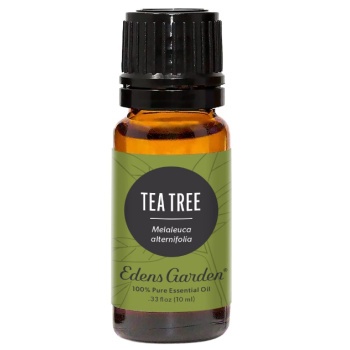
Jasmine, sandalwood, ylang-ylang, rose, and lavender are all good examples of essential oils for aging and/or dry skin. Tea tree works wonders in the treatment of acne or other skin conditions.
Experimenting tip: If you want to add a mixture of essential oils, first check if their fragrances are compatible. Add them to a separate cotton bud and hold them together under your nose to see if they work well together.
LAVENDER ESSENTIAL OIL – is one of the most popular, versatile, multipurpose essential oils used in aromatherapy. It promotes relaxation and may help in the treatment of anxiety, fungal infections, allergies, depression, insomnia, eczema, nausea, and menstrual cramps. It is well known for its anti-inflammatory, antifungal, antidepressant, antiseptic, antibacterial, and antimicrobial properties, as well as antispasmodic, analgesic, detoxifying, hypotensive, and sedative effects.
TEA TREE ESSENTIAL OIL – thanks to its anti-inflammatory and antimicrobial properties, tea tree is one of the go-to essential oils to treat and prevent acne. Furthermore, it is said to calm redness, swelling, and inflammation. According to some, it may even help to prevent and reduce the appearance of acne scars, leaving you with smooth and clear skin.
Green Clay
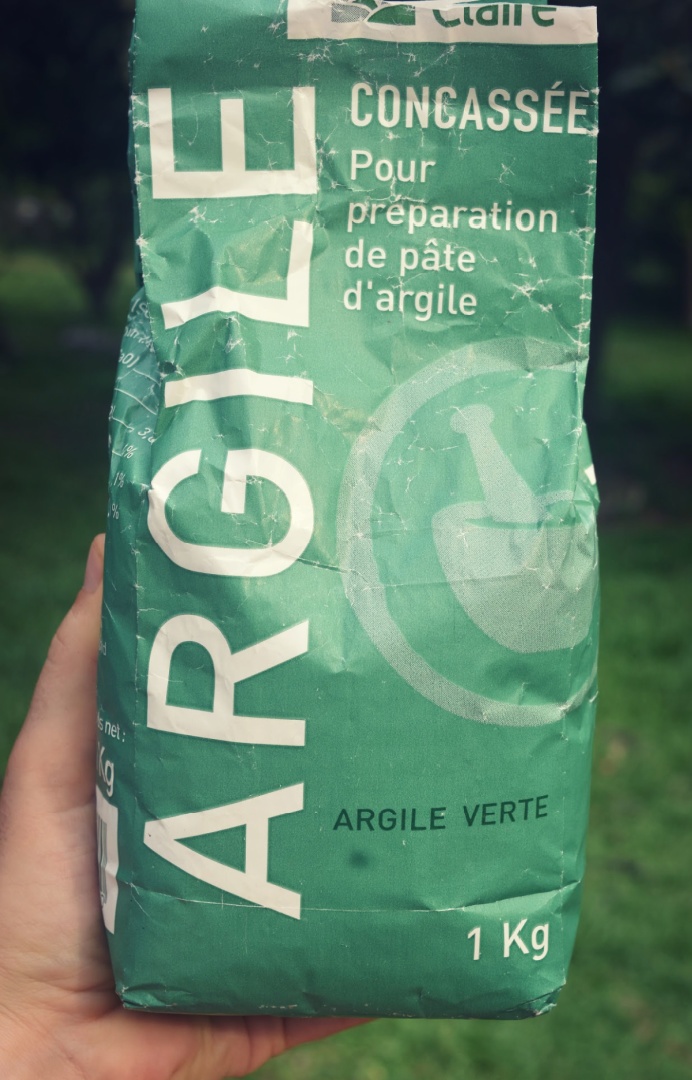
Green clay can be used for oily, combination, and acne-prone skin to restore balance, energize the skin, and soak up the excess oils that clog the pores – this may lead to acne and imperfections.
It doubles as a powerful deep cleanser to balance pH levels. Furthermore, green clay stimulates cell regeneration to leave you with a glowing complexion.
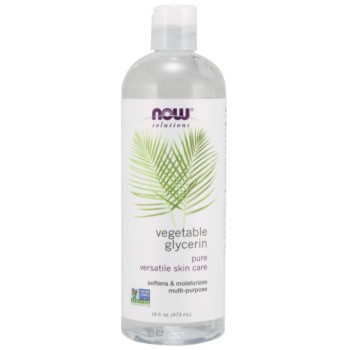
Vegetable Glycerin
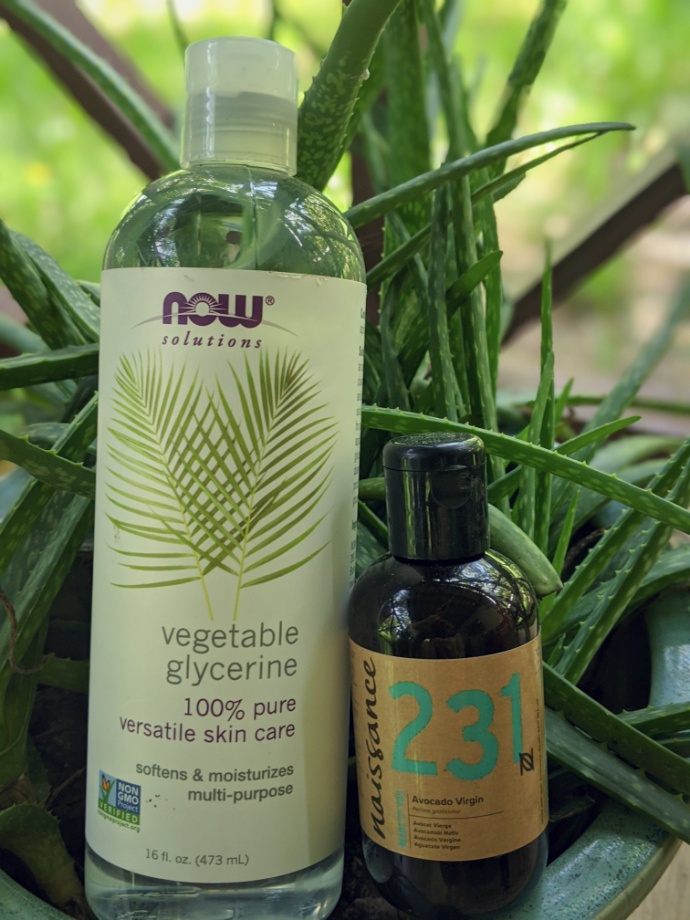
Glycerin is a humectant that enhances moisturizing properties by binding the moisture onto your skin. So, if your skin is really dry from the sun, cold weather, or air-conditioning, glycerin is an excellent natural way to enrich your lotion.
However, do not add too much or you’ll end up with a sticky lotion.
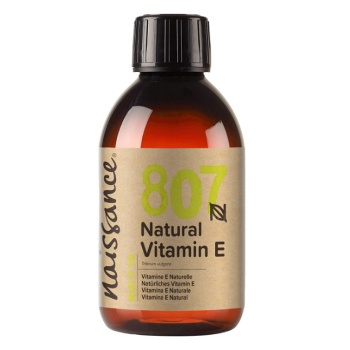
Vitamin E or C
These can be added to preserve the homemade Aloe vera gel or your lotion naturally. Aloe Vera gel oxidizes quickly, so adding vitamin C and E will help you to preserve Aloe gel in your refrigerator for a longer period.
You can either use the capsules or the oil. For every cup of Aloe Vera gel, blend or mix 2 grams or ½ teaspoon vitamin C (if you’re using tablets crush them into powder) and 1 gram or ¼ teaspoon (1600 IU) vitamin E and pour into a sterilized container. If placed in a refrigerator it will keep at least one month.
My Favorite 3 Homemade Aloe Vera Gel Recipes
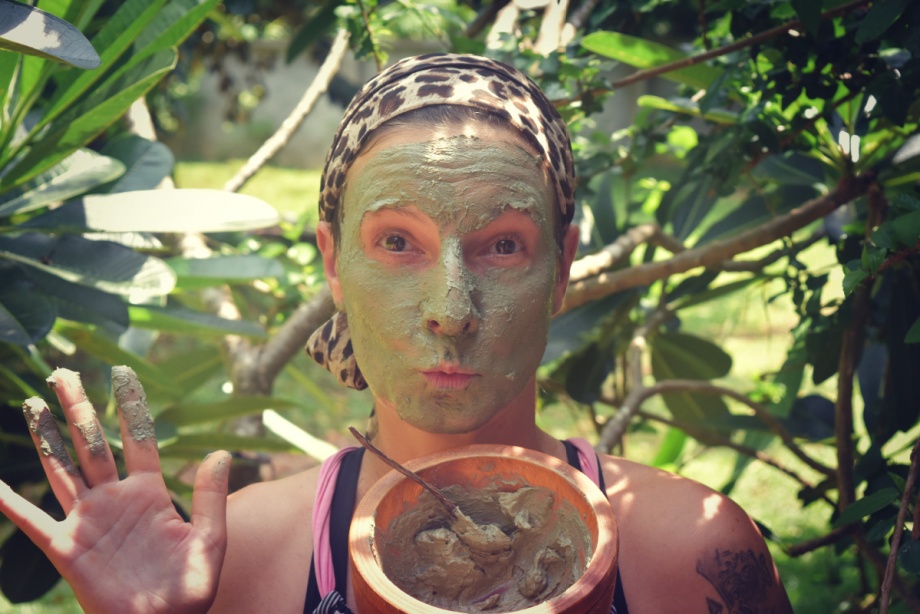
# 1 Aloe Vera Facial Clay Mask
The science behind a clay mask is pretty simple. Clay particles are negatively charged, which attracts many minerals to their surface. When mixed with water and applied to our skin an exchange takes place. The clay removes impurities – toxins, dirt, chemicals, and bacteria – from your skin and pores while leaving skin-boosting minerals behind.
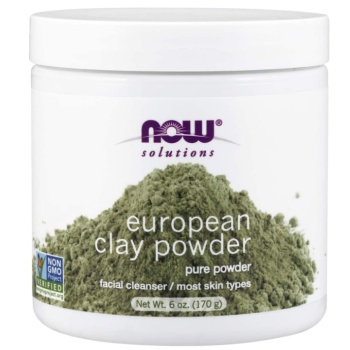
Each clay is classified by its mineral content, providing different benefits for your skin. I usually use a European/French green clay aka Bentonite. This type of clay is rich in montmorillonite (Bentonite), magnesium, calcium, potassium, dolomite, silica, manganese, phosphorus, silicon, copper, and selenium.
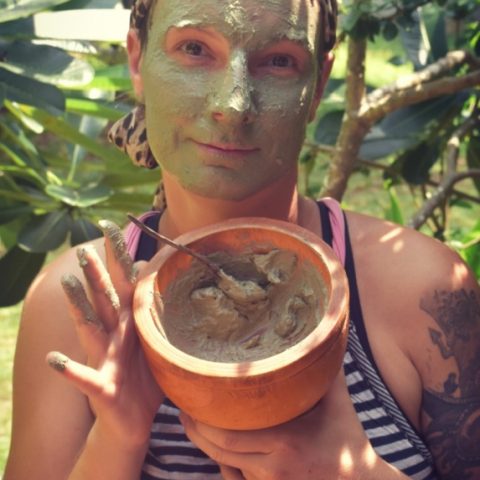
Aloe Vera Facial Clay Mask
Ready to have a spa day at home? Clay masks have benefits for almost every skin type. Plus they’re so easy to use and make at home.
Clay masks do more than just draw out icky stuff from your skin, they give back by hydrating, brightening, evening out skin tone, minimizing fine lines, and much more.
Ingredients
- 3 tbsp green clay
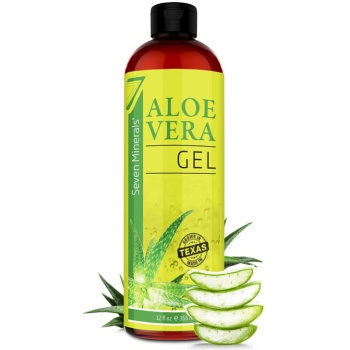
- 2 tbsp aloe vera gel
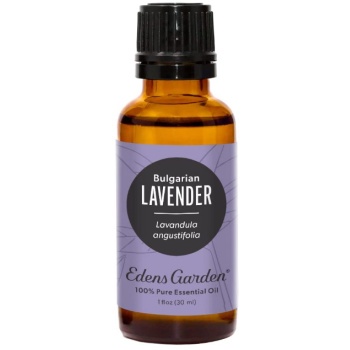
- 6 drops lavender essential oil
- Water as needed
Instructions
To obtain the aloe vera gel, cut the bigger leaves from your plants, carefully cut them open with a knife, and scrape out the gel-like substance. Or use 100% percent store-bought aloe vera gel instead.
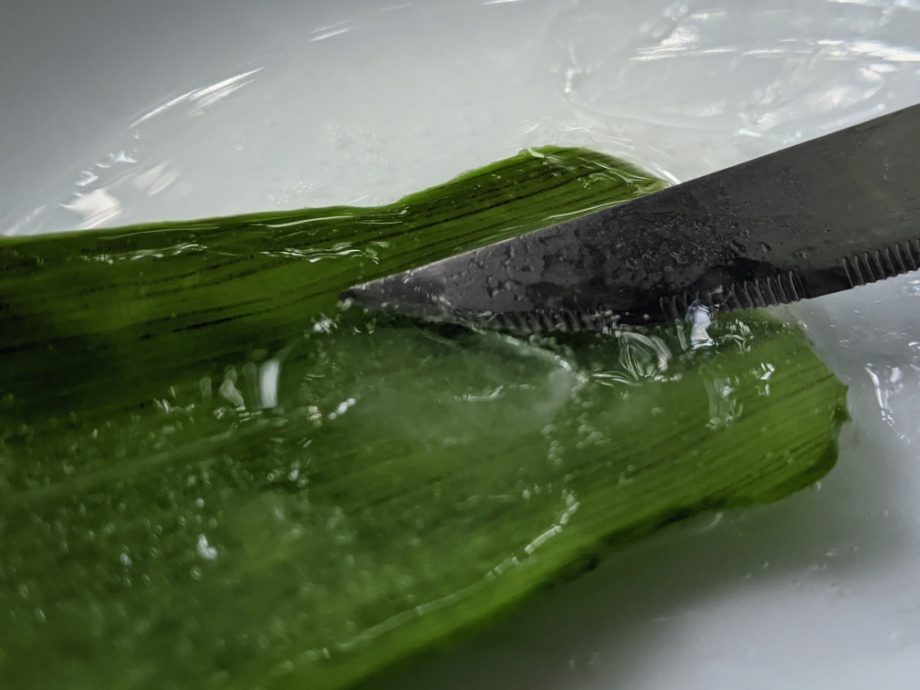
Add all ingredients to a bowl.
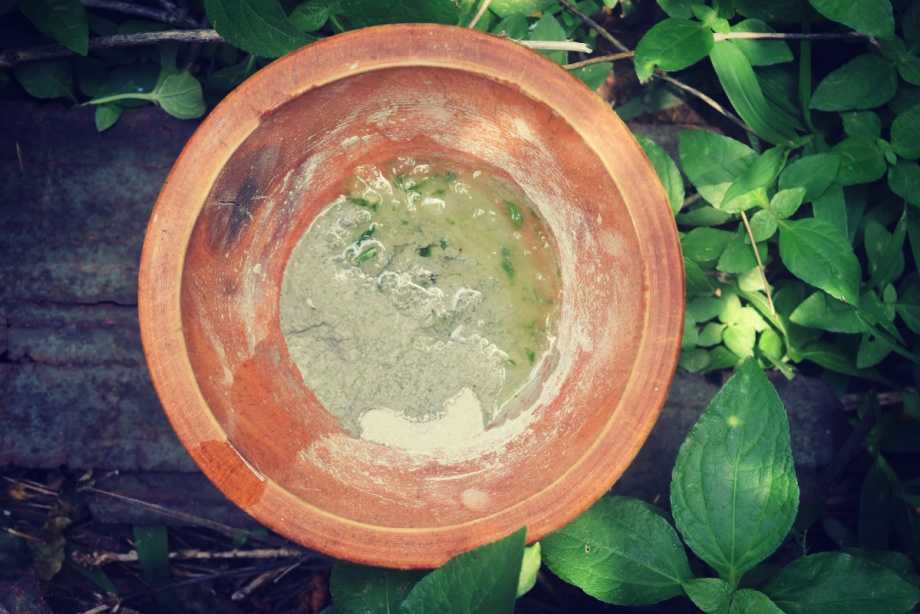
Mix all ingredients to a smooth, easy-to-spread paste. If the mixture is too dry, add some more water, if too liquid add more green clay.
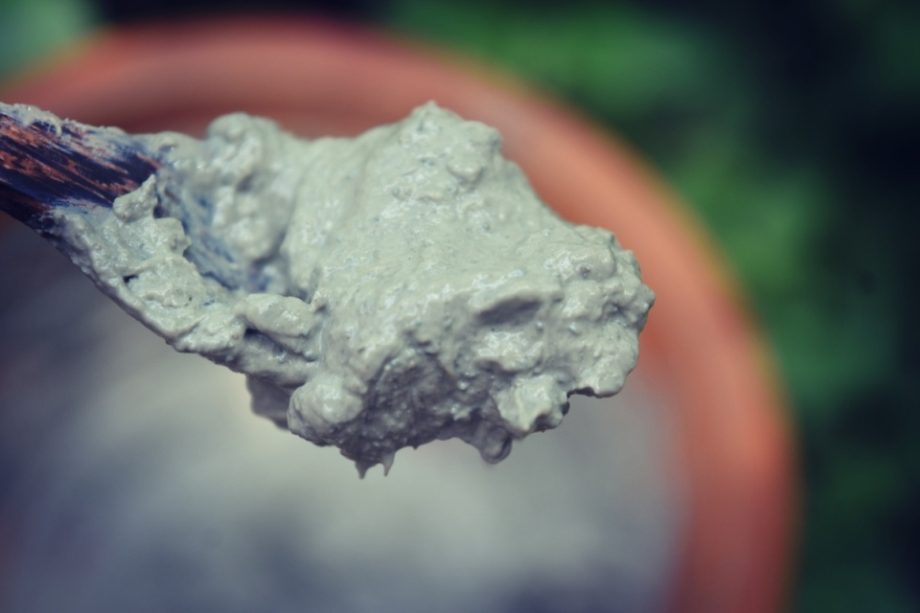
Clean your face with water and pat dry. Apply the mask and keep it on for 10 to 15 minutes. Do not wear it for over 15 minutes as the mask may start to dry. A clay mask is more effective at drawing out oils and toxins when you don't let it dry completely. Then remove the mask with running water and/or with a washcloth.
Notes
My fav moisturizers are:
Let me see if my friend cares to share her turmeric salve recipe. I can’t promise anything as it is her little side-business. So I am totally fine with her not sharing her secrets…. As long as she keeps providing me with her golden skin wonder.
Recommended Products
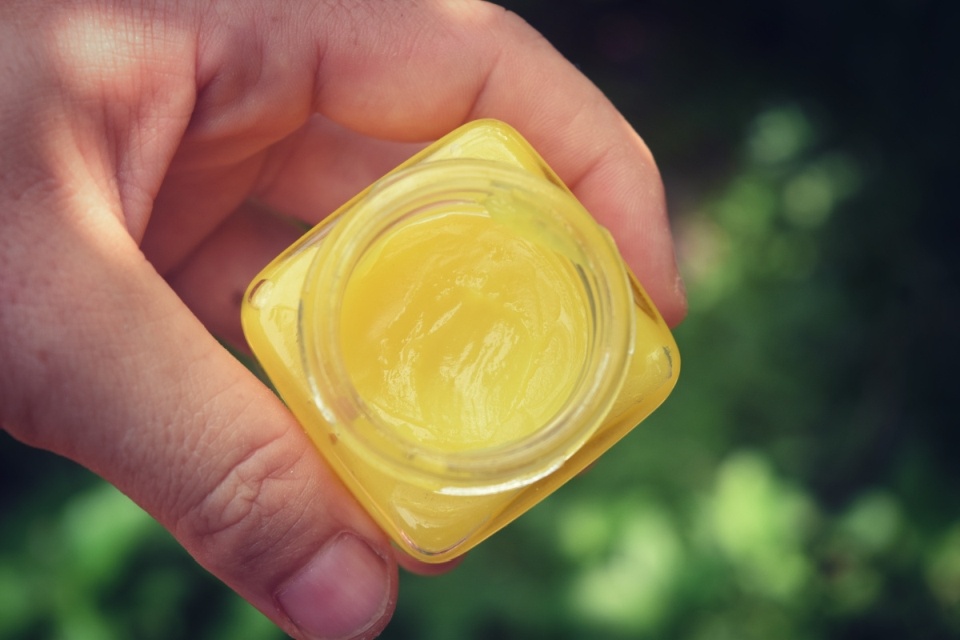
My friend’s skin-boosting turmeric salve
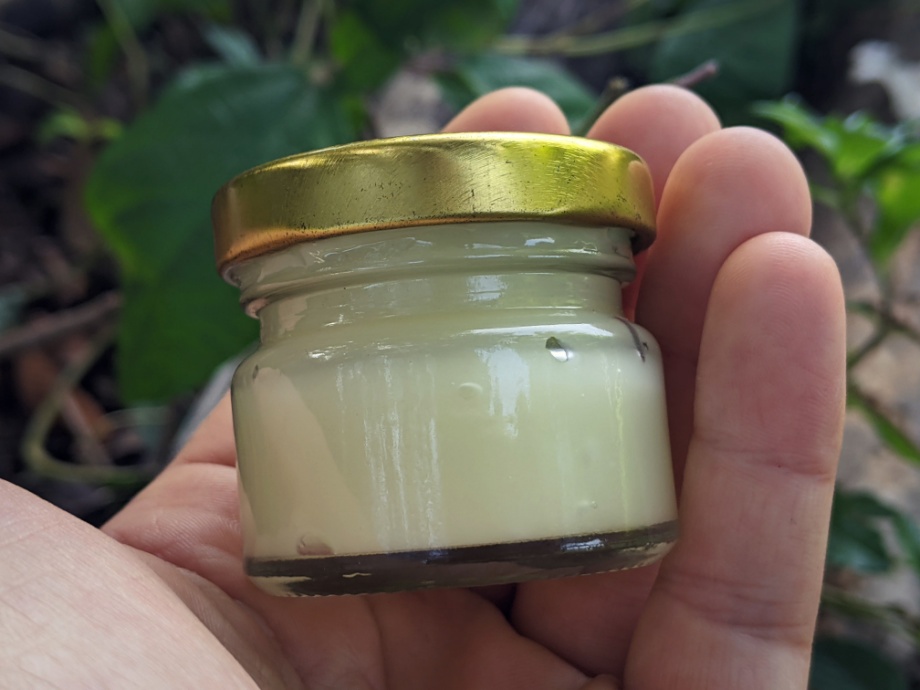
# 2 Aloe Vera Facial Moisturizer
The Aloe vera facial moisturizer (see recipe below), the turmeric coconut oil-based salve or argan oil enriched with essential oil(s) are my go-to, natural facial care products at the moment.
Aloe vera for the mornings and the richer salve my friend makes or argan oil for the evenings.
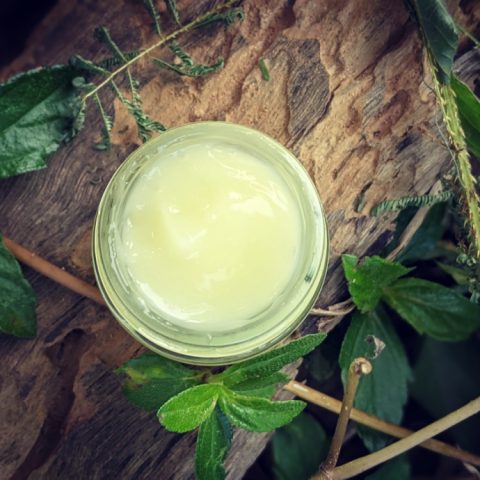
Aloe Vera Facial Moisturizer
I love making my own natural products. Though I change recipes now and then, this aloe vera facial moisturizer is one I keep coming back to. Sometimes I play around with the ingredients. It’s fun!
Though you can keep it for a few months, it is so easy and fast to make that I prefer to make it fresh every 2 to 3 weeks. Or why not make some more of this love-packed, skin-boosting lotion as a little DIY gift for family and friends!
Ingredients
- 2 tbsp aloe vera gel
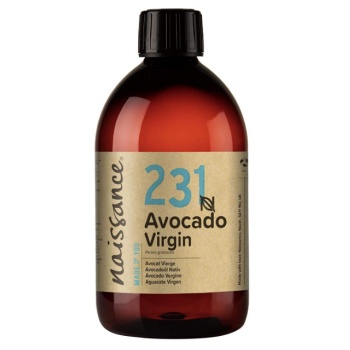
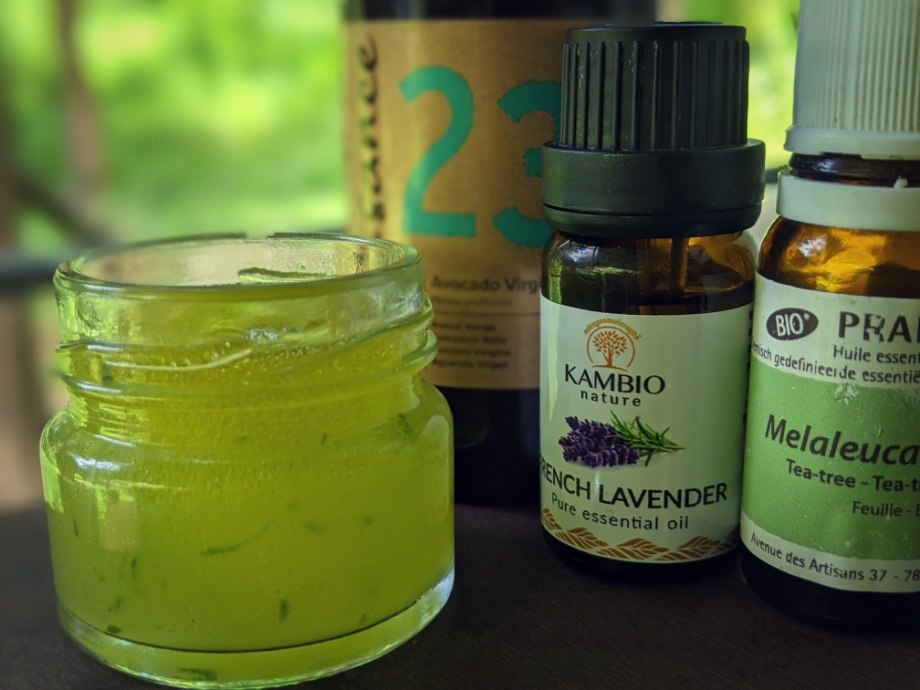
- 10 drops vegetable or nut oil (I used extra virgin avocado oil)
- 5 drops tea tree essential oil (optional)
- 5 drops lavender essential oil
- 2 drops vitamin E oil
- 4 drops vegetable glycerin
Instructions
If using fresh aloe vera, wash your hands and make sure the cutting board and knife or spoon you use are clean to avoid contamination. To obtain the aloe vera gel, cut the bigger leaves from your plants, and carefully cut open with a knife, and scrape out the gel-like substance.
Add the gel to a small mixing bowl. Add the vegetable oil (in my case it was avocado oil) and stir well.
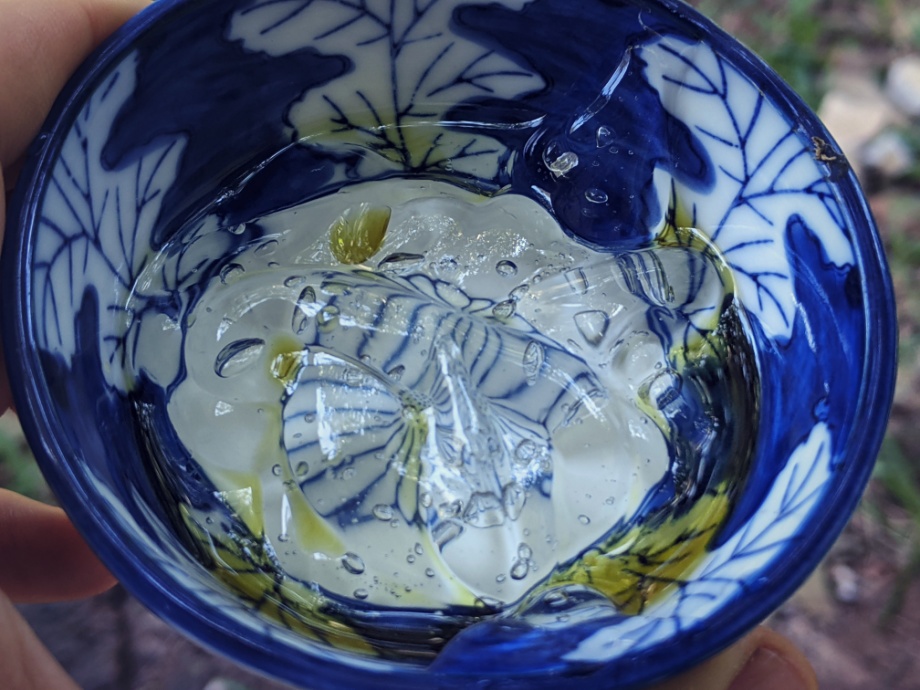
Then add the essential oils and vitamin E oil. Mix until creamy.
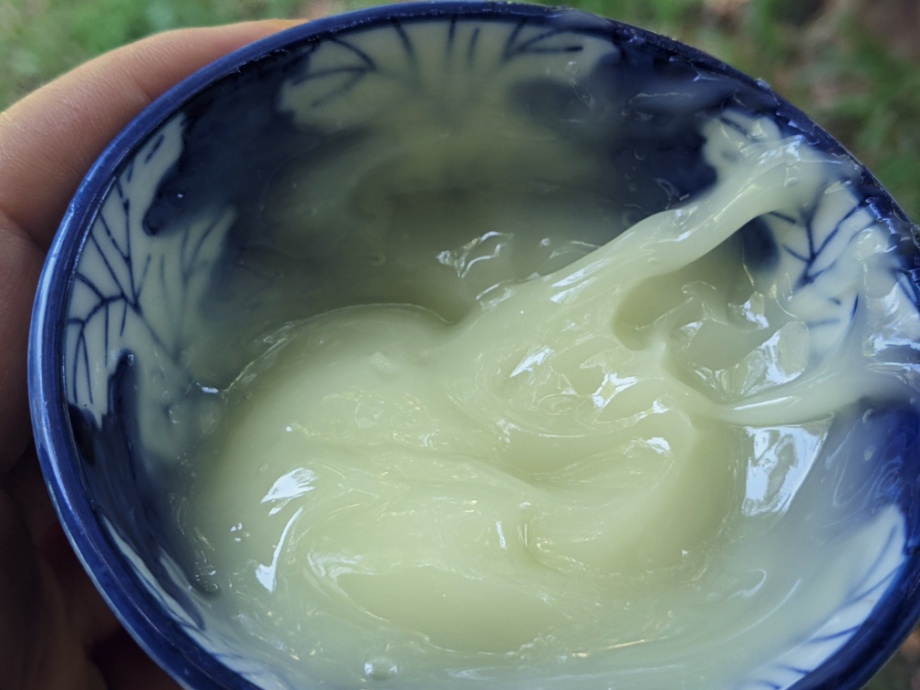
Store in a clean container in a cool and dry place. Use within a few months. You can store it in the fridge to improve its shelf life.
Notes
Recommended Products
Facial Lotion Made with Fresh Aloe Vera Gel vs Store-Bought
#1 Store=bought Aloe Vera Gel
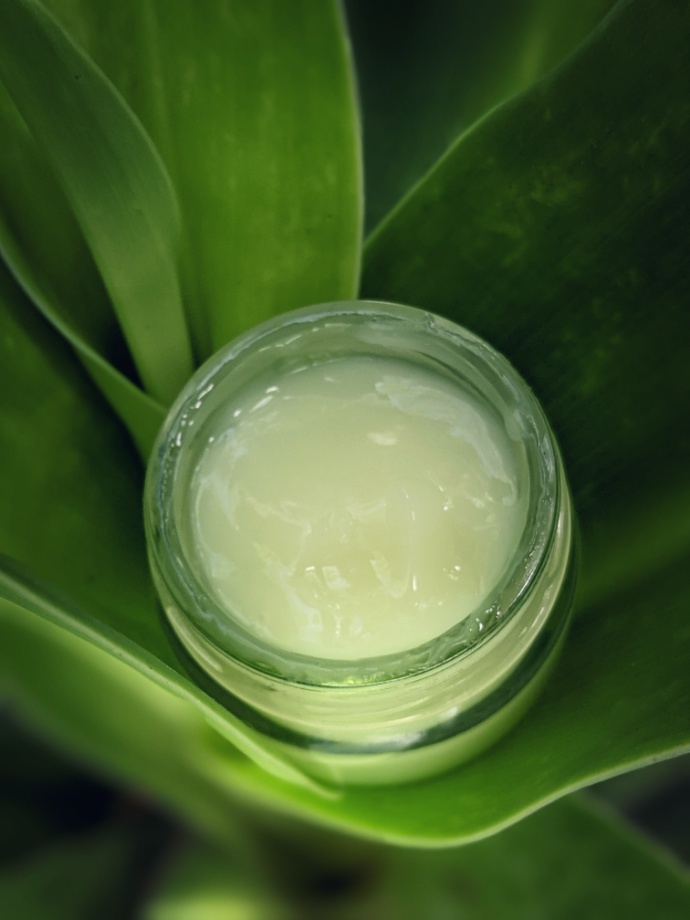
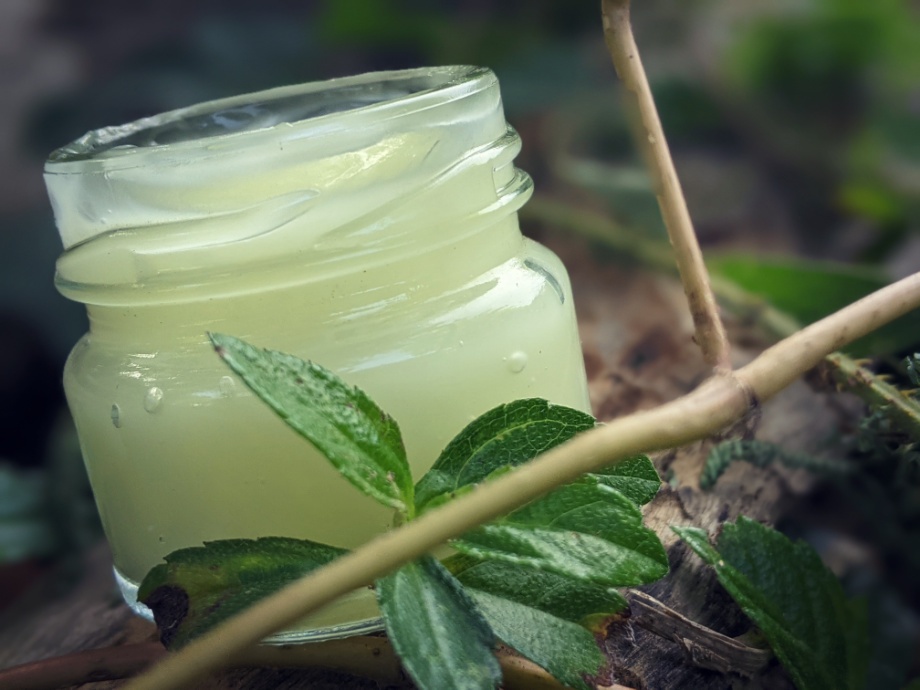
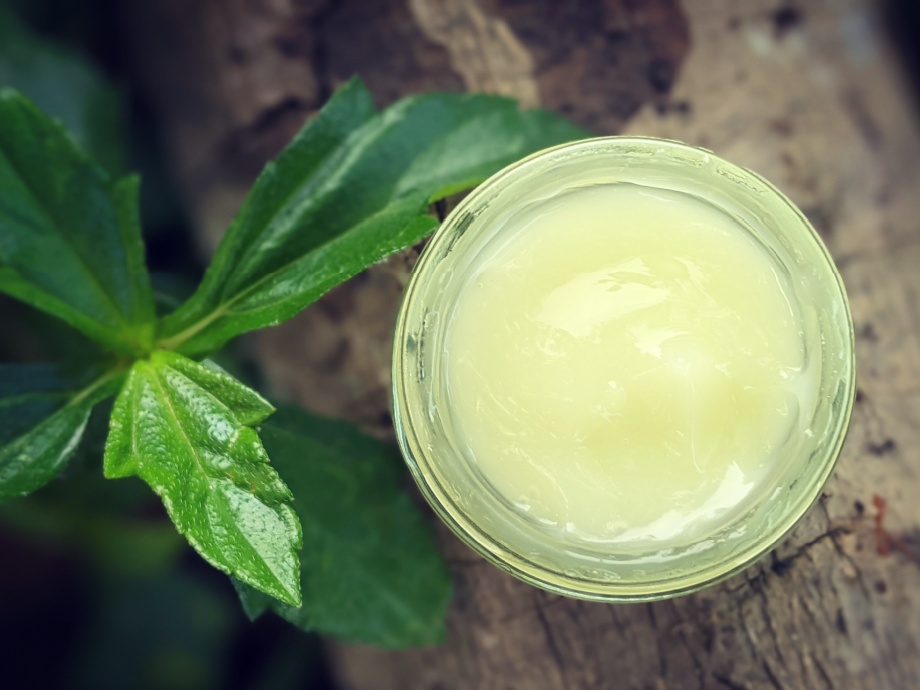
#1 Fresh Aloe Vera Gel
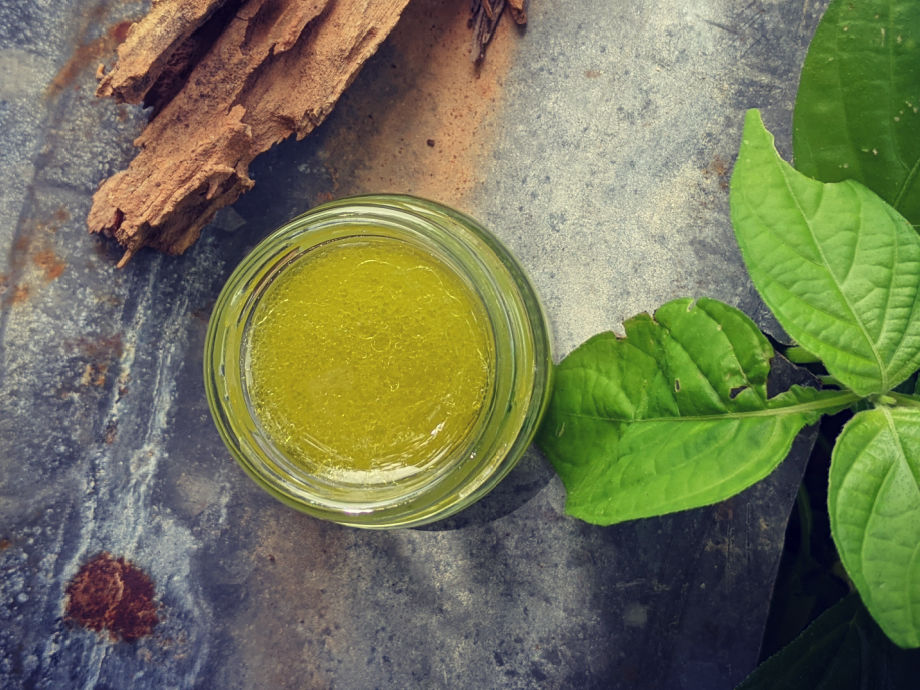
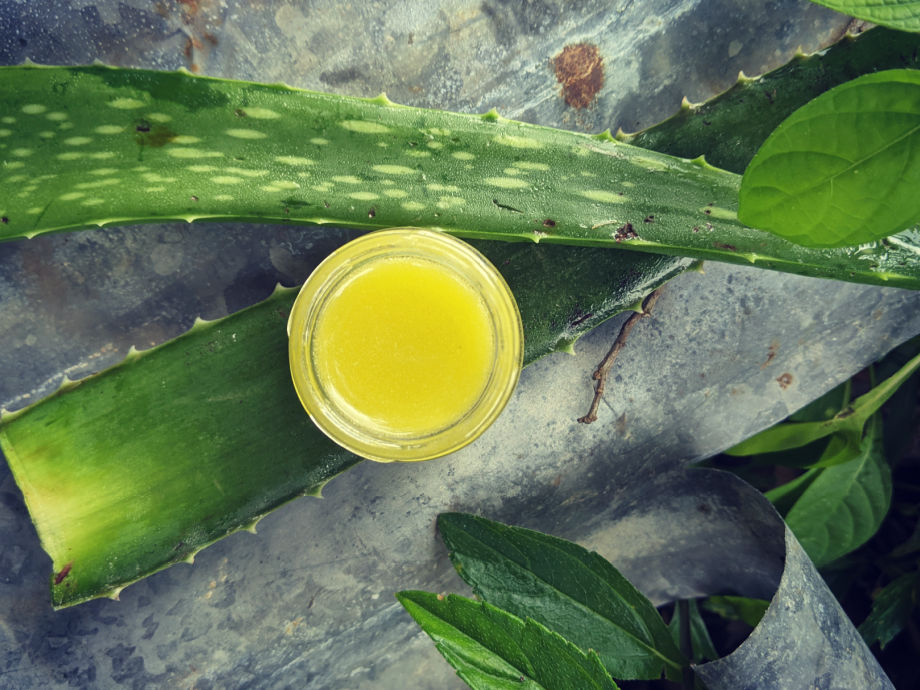
#3 ALOE VERA AND CUCUMBER BODY LOTION THAT REPELS MOSQUITOS
Cucumbers are so rewarding and refreshing to use in facial masks or body lotions. They firm and tighten the skin and reduce water retention. Furthermore, cucumbers can help to reduce swelling and puffiness around the eyes.
I always add eucalyptus and lemongrass essential oil to repel mosquitoes as I live in the tropics where the mozzies can carry dengue and malaria. If, however, mosquitoes are not an issue where you live you can always use other essential oils. Again, feel free to experiment. It’s fun!
I apply this body lotion daily, just after taking my evening shower. This is when the mozzies get most active here!
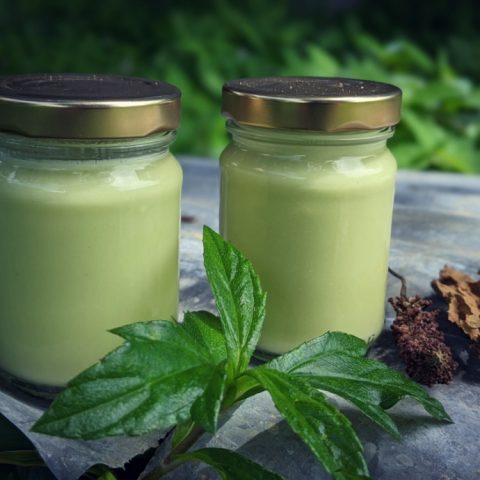
Aloe Vera And Cucumber Body Lotion That Repels Mosquitos
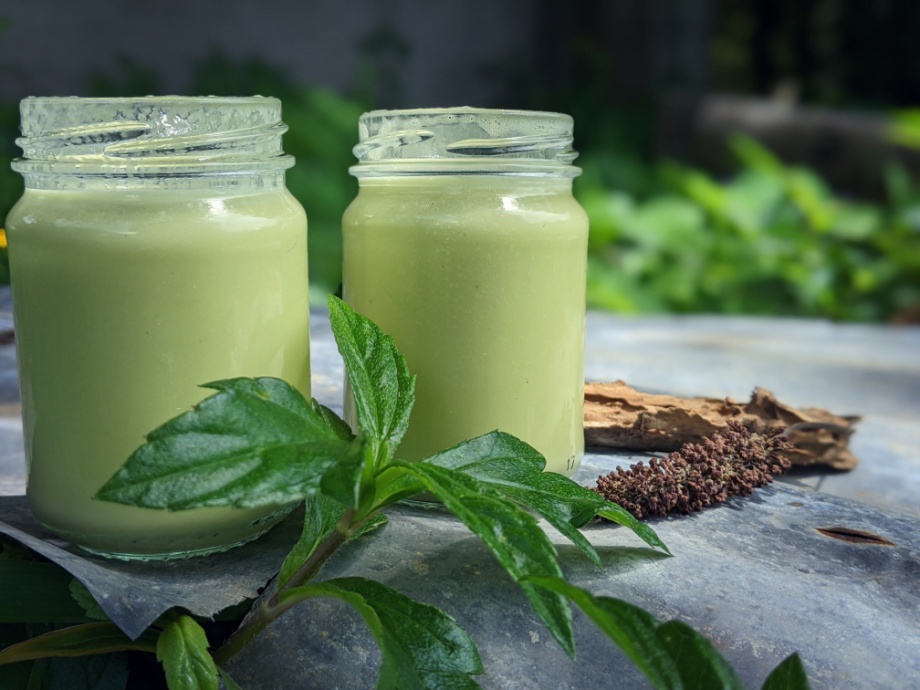
This aloe vera and cucumber body lotion is a smooth, light, and cool body lotion that hydrates, rejuvenate, and refreshes your skin.
Researchers at the NMSU found that a product containing oil of lemon eucalyptus is about as effective and long-lasting as products containing DEET aka N, N-diethyl-meta-toluamide or diethyltoluamide.
DEET is the most common active ingredient in many insect repellents. Frequent and prolonged DEET exposure, however, can lead to many health issues. That's why we started making our own, safe DEET-free body lotion to keep tropical dengue and malaria-containing mozzies at bay.
Ingredients
- ¼ cup aloe vera gel
- ¼ cup cucumber, blended
- ¼ cup oil of your choice (I used an equal mix of avocado and moringa oil)
- ¼ tsp vitamin E oil
- ¼ tsp vegetable glycerin
- 30 drops lemongrass essential oil
- 30 drops eucalyptus essential oil
Instructions
1. Wash your hands and make sure the cutting board and knife or spoon you use are clean to avoid contamination. To obtain the aloe vera gel, cut the bigger leaves from your plants, and carefully cut open with a knife, and scrape out the gel-like substance.
2. Blend the cucumber.
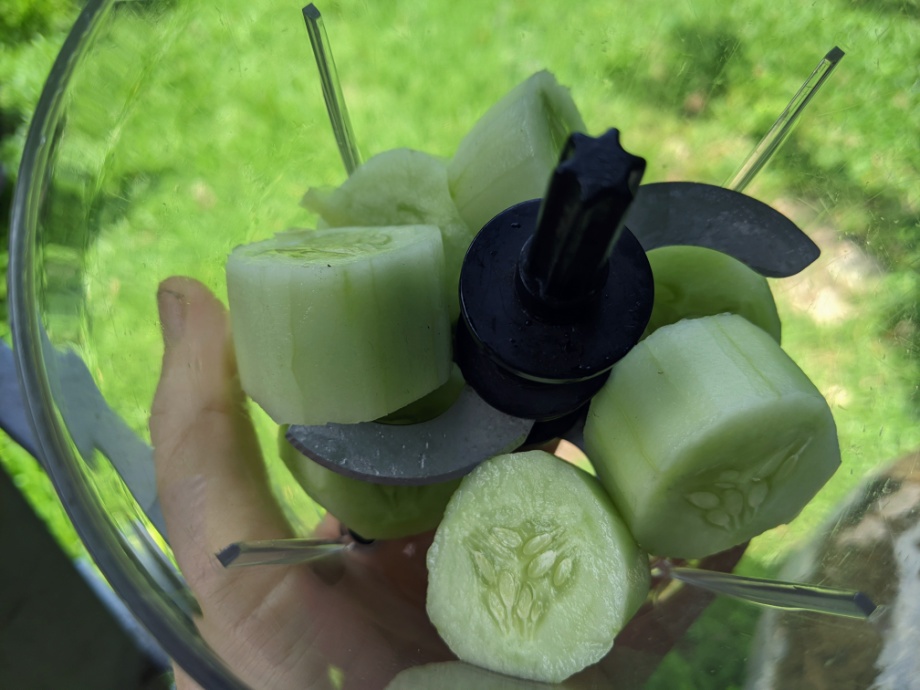
3. Add the aloe vera gel. Mix well.

4. FYI: If you live in a colder climate where coconut oil is in a solid state at room temperature, heat the coconut oil with the other oil(s) until liquefied. Let the mixture cool down. I Live in the tropics so my coconut oil is liquid.
Pour the cooled oil mixture into a mixing bowl or blender and add the Aloe vera and cucumber slowly. Both must be at the same temperature to avoid separation.
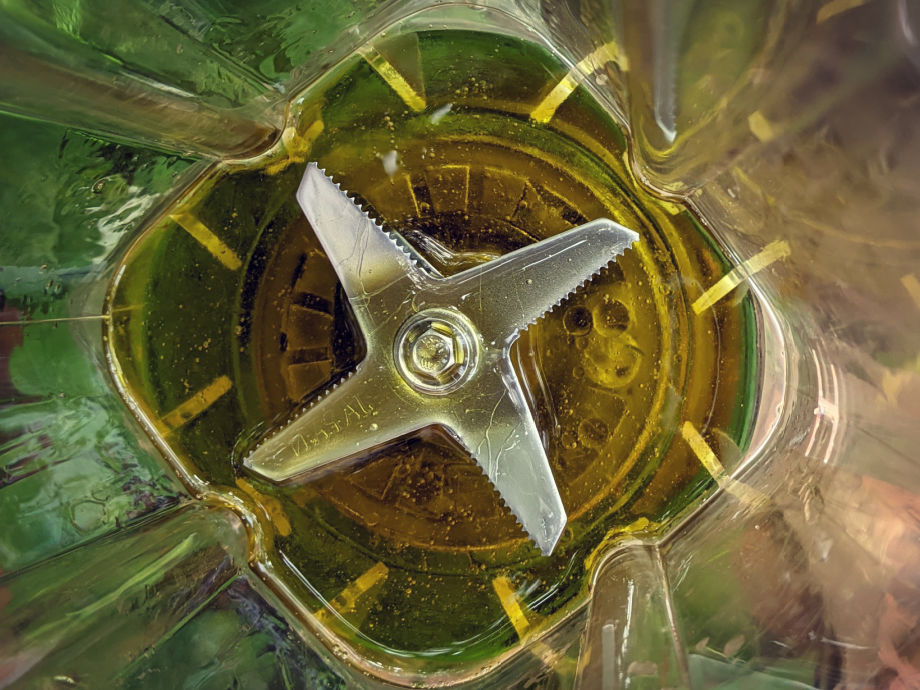
5. Stir thoroughly or blend well until you’ve got a smooth-looking lotion. At this point, the lotion will still be liquid.
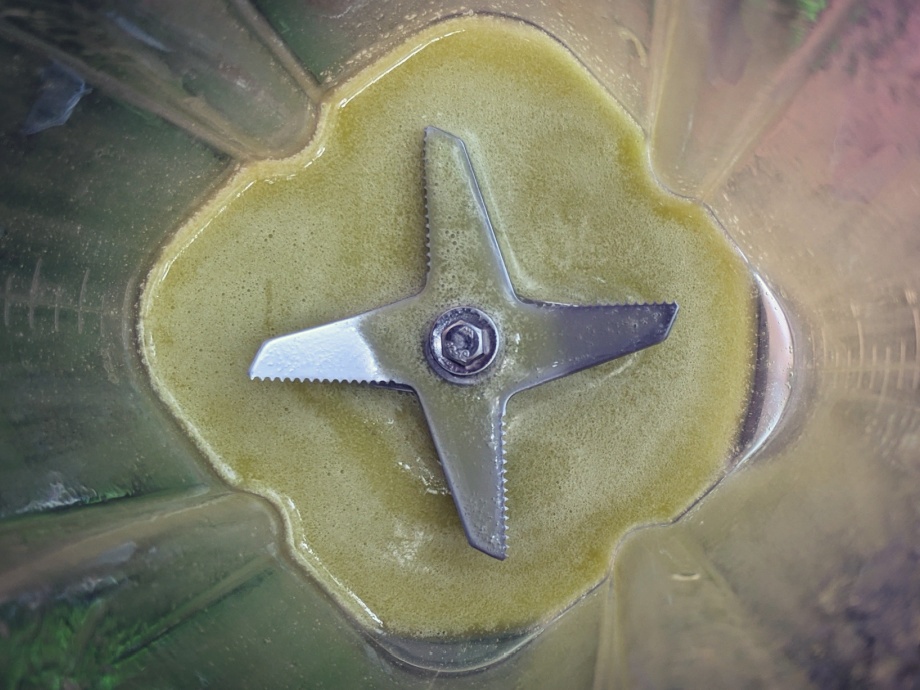
6. Pour the lotion into a clean and, preferably, sterilized jar. Let set and store in the fridge.
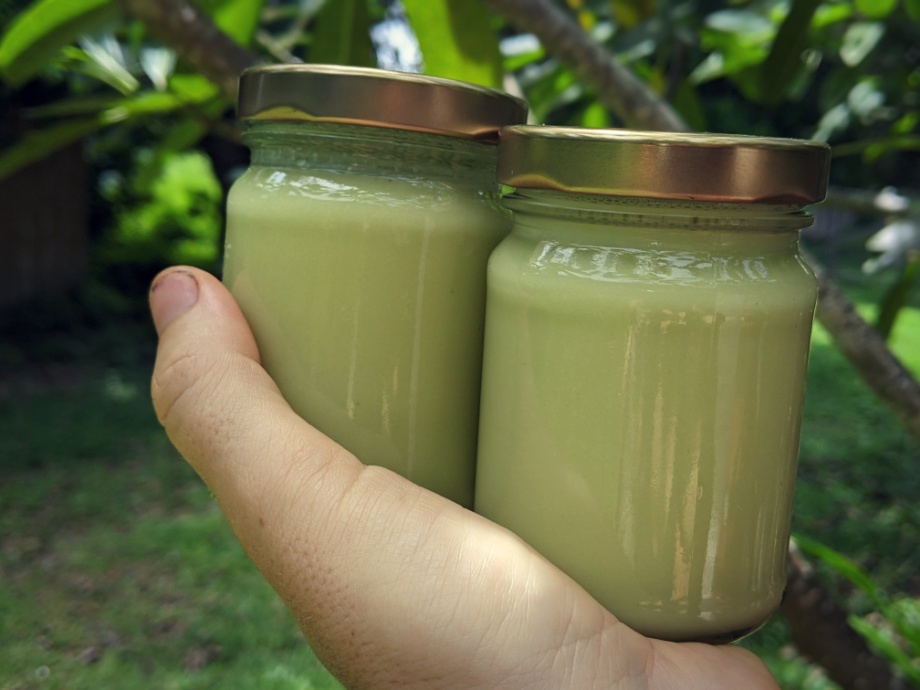
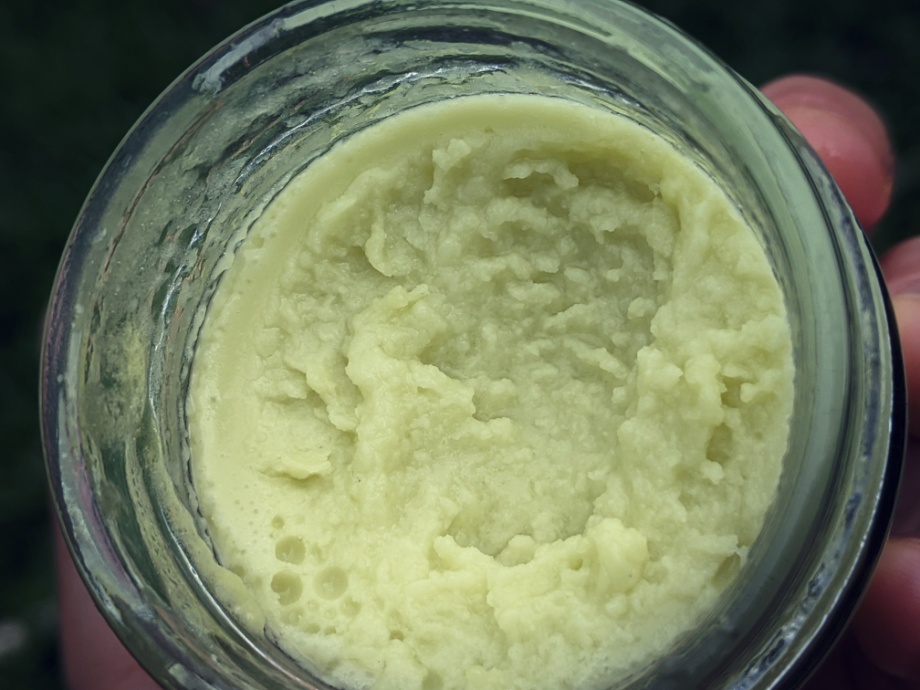
7. After about 10-15 minutes, check the lotion. If you see separation, give the jar a good shake and place it back in the fridge until it has set into a smooth, creamy lotion.
Notes
When set, it is best to store the lotion in the fridge for longer shelf life.
Recommended Products
Concluding Thoughts
A common medicinal herb, Aloe vera is both useful for beauty care and healing. The more you use this plant, the easier it will get for you – both in terms of how you feel and your overall looks.
If you are ready to add Aloe to your daily skincare routine, get a few plants or buy the gel from your nearest health store or order online. Your body will thank you for this simple, green decision.
Have fun making your own lotions to reap Aloe’s benefits. You can change the recipes and experiment with other ingredients if you feel adventurous.
Both lotions can be used on your hands, face, or body to moisturize, nourish, and soothe skin irritations, (sun)burns, and insect bites.
Have you tried making your own beauty care products at home? If so, what are your favorite ingredients? Let us know in the comment below!

Amy Goodrich is a certified holistic nutritional therapist and former plant biologist. Her mission: inspiring people to adopt a more natural lifestyle to prevent/cure illness. Through her blog, Amy shares her own experiences with managing her husband's autoimmune disease through the power of whole foods. EatLove.Live covers strategies for doing so, with posts about how to gradually change your lifestyle. Amy is obsessed with cats, travel, and delicious plant-based foods that nourish and heal the body from the inside out.