
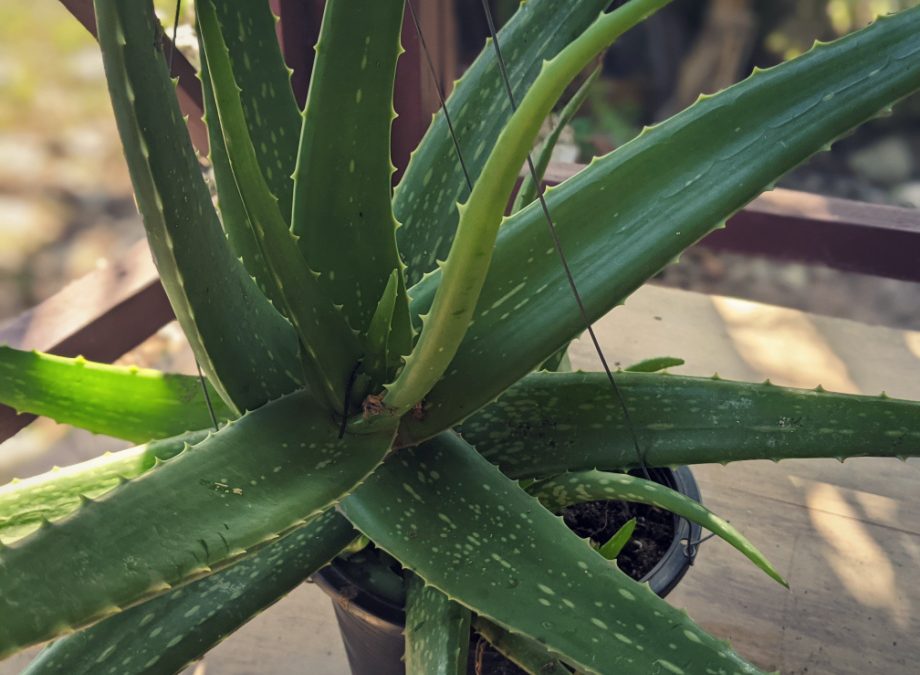
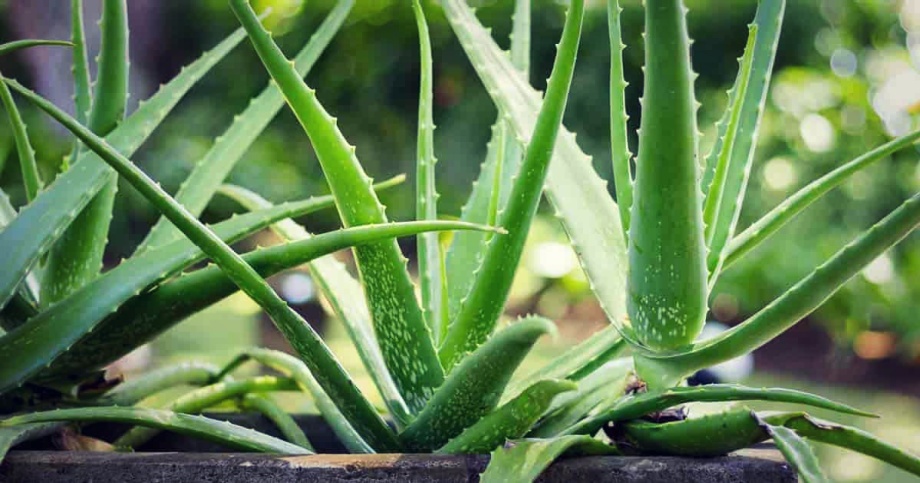
Aloe vera is one of those plants you must have. It is very stylish to decorate your home or garden and super easy to care for. On top of that, it contains a broad range of healing powers.
There are about 250 species of the Aloe family, but Aloe vera is the best-known member. Most of the species are originated from Africa and brought from Egypt to India and some parts of Europe by the Arabs.
Later on, it was successfully introduced in the Caribbean. From there on it spread over America. Although most people think it is a member of the cactus family, Aloe vera is a succulent or fat plant.
As mentioned earlier, Aloe vera plants are easy to care for. They prefer a warmer, tropical or subtropical climate and will grow faster during the warmer months. Aloe vera plants do best in temperatures between 55 and 80°F (13 and 27°C). If you’re living somewhere in the world where winters are cold, keep them in pots and move them indoors once the temperatures start to drop.
Aloe vera plants don’t mind being kept in pots. They’ll do just fine. Aloe vera plant care is very similar to caring for a cactus. Not much can go wrong. Believe me.
Aloe Vera Plant Care: Basics Things You Must Know
Although aloe vera likes the sun very much, the leaves can turn brown when the light is too harsh. Indirect bright light is the best option. If you keep them indoors, place them in bright, indirect sunlight. A western or southern window is ideal. Aloe plants that are kept in low light often grow leggy. Aloe leaves grow upwards, so if they are lying flat on the ground they may not have enough light.
Aloe vera plants don’t fancy cold temperatures and can freeze during the winter. Therefore you have to protect them well against frost. A better option is to keep them in pots and move them indoors during winter if you can.
During summer, you can move your potted Aloe vera plants outdoors. However, don’t put them in direct sunlight right away. Give them some time to adjust to their new surroundings. Gradually place the pots in a brighter spot every few days to prevent overexposure.
Water once or twice a week. When the leaves are getting soft and your plant looks dull you probably overwatered. If this is the case stop watering for a while until it looks healthy again.
In the summer you can soak the soil but let it dry out before watering again. The root of an Aloe plant is not big, so check the soil as close as possible to the base of your plant. The ground must be dry before you water again. When you keep your Aloe in a pot make sure it has draining holes.
The roots are very prone to rot if they are in wet soil for longer periods. It is better to forget to water than to overwater your plant. If you underwater your plant, the leaves will be thin and curly. They are using all the liquid in the leaves to feed themselves.
Use good potting soil. If you use larger pots, mix the soil with some sand (mix in equal parts) for a better draining of the water. A cactus or succulent mix can be used as well.
If the climate you live in is warm year-round (Zone 10 or higher on the USDA Plant Hardiness Map), Aloe vera can be grown in most soil types in the garden.
They’ll grow faster, so leave enough space between them. When growing Aloe plants outdoor make sure to protect them from the strong midday sun and too much rain.
How to Grow an Endless Supply of Aloe Vera plants
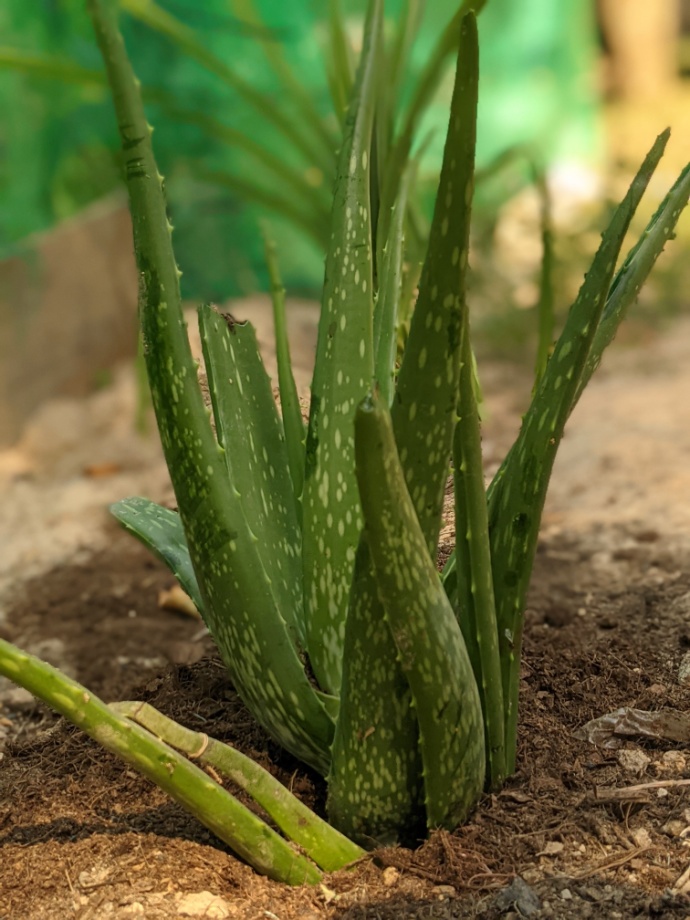
If you care well for your plant, smaller ‘baby’ plants will appear close to the root of your mother plant. Leave them there for a while until they are big enough to transplant. Simply cut it off the mother root and plant them in a pot.
Little Aloes that are not removed in time will suck all the life out of your mother plant. So when the babies are big enough, transplant them to another pot and water them well and don’t water them again for about 3 weeks or until the soil dries out.
While the soil dries out the root will search for water and grow in the process. If you overwater, the root and your plant will stay small.
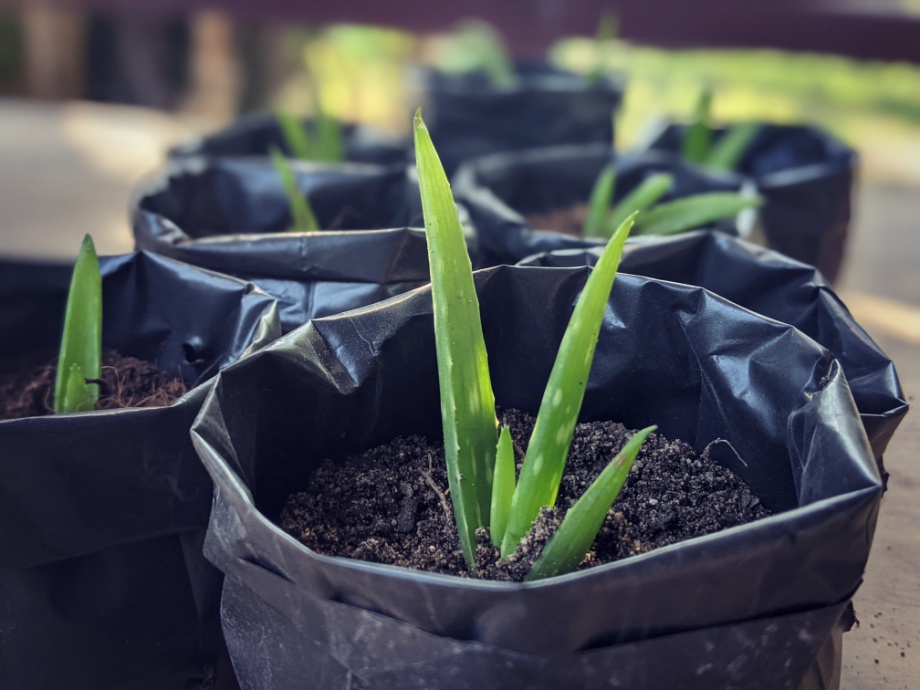
Repotting is only necessary when it outgrows its pot or when the upper plant gets too heavy. Aloes can become quite big and grow very fast. If it outgrows the pot, transplant it to a bigger pot. You can transplant a section or just the whole plant.
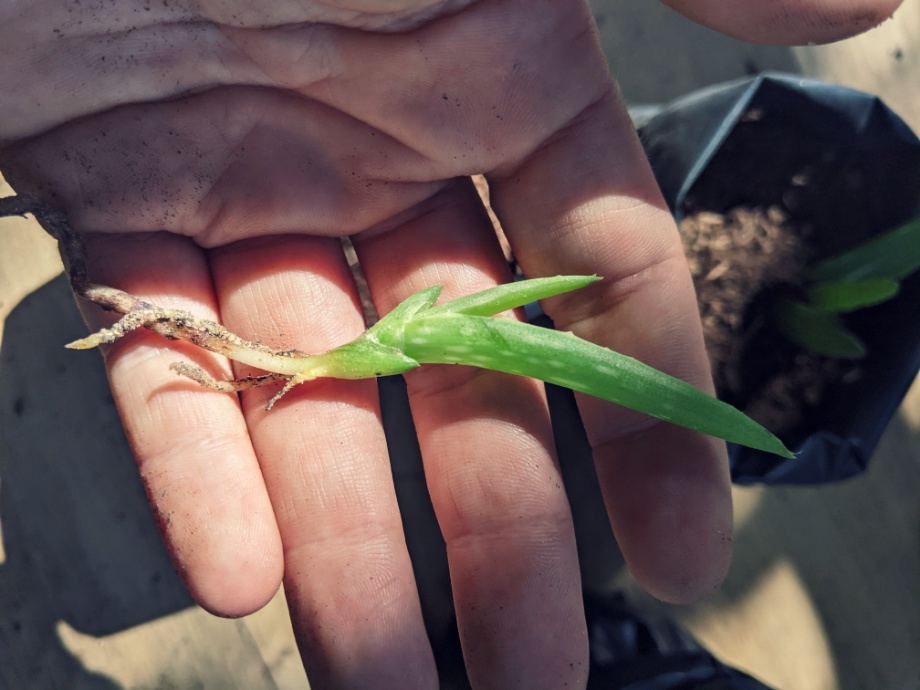
Furthermore, instead of waiting for “babies” to appear at the base, you can start new plants by cutting off a few leaves. Trim the leaves to about 3 inches (7.5 cm) from the leaf tip. Put these trimmed cut ends in a pot with a good potting mix.
Though this technique is less successful than transplanting the babies, some of these cut leaves will sprout tiny new leaves at the base. Wait until this newly grown plant is a few inched before repotting them again.
When buying an Aloe vera plant, make sure you have the right species and don’t chop off all its bigger leaves immediately. Preferably your plant should be at least 2 to 3 years old before you start taking off the bigger base leaves regularly. If, however, a leaf accidently breaks off, you can directly use it to soothe any skin issue or plant it in a pot to grow a new plant.
10-day whole food reset plan: A SIMPLE CLEANSE OF BODY AND MIND
A healthy body reset to lose weight, eliminate toxins, and kick-start your new way of life. No cranky starving process on a dash of lemon juice and a single bean, but a 10-day transformation to rev your weight loss engine and live a healthier life.
5 PROBLEMS You Might Run Into When Growing Aloe Vera Indoors
#1 Your Plant Isn’t Getting Enough Light
As mentioned before, Aloe vera thrives in bright, natural light. If your plant isn’t getting enough light its leaves may crease or bend at the base or in the middle. Furthermore, not enough light can make the leaves pale. Your plants may also become leggy or floppy, making them fall over.
Solution: move your plant to a sunny window. You can put it on the windowsill if it is not too hot or sunny. South- or west-facing windowsills will generally be too hot. Also, in the cooler and darker months, you might have to move your plant to a brighter spot so it gets the light it needs. To avoid your plant leaning to one side, rotate the pot every 2 to 3 months to make sure all leaves receive light evenly.
#2 Your Plant Is Getting Too Hot
As mentioned above, just like any other succulent, aloe likes medium to high light conditions when growing indoors. However, sitting behind hot glass will burn their liquid-filled leaves that are prone to sunburn. If your plant has brown patches on its leaves or they are turning orange or brown, it is a sign your plant is getting too much sun.
Solution: move your plant to a less sunny, hot spot. Though south- or west-facing windows are fine, just don’t place them on the windowsill.
#3 You Are Overwatering Your Plants
Aloe vera plants that are grown indoor are especially prone to root rot when you overwater them. Aloe vera leaves are fat leaves full of healing gel and stored water. Though you can’t see what’s happening with the root of your plant, brown, soft, and mushy plants are the visible sign of overwatering.
Solution: when it comes to aloe vera plant care it is better to forget to water than to overwater. Water them when about ¾ of the soil is dry. Depending on the climate and potting soil you used this could be anywhere between 1 and 4 weeks during the summer months. Furthermore, during the winter months, your plant will go into some sort of hibernation so you’ll want to back off the watering frequency even more. Also, make sure your pots have enough draining holes and don’t let them sit in a saucer full of water.
#4 You Used The Wrong Soil Mix
Though Aloe vera usually grows well in any soil mix, when it is not light, aired, and well-drained, your plant might not do well. A soil mix that is too heavy or solid doesn’t drain the water as well, making your plant more prone to overwatering and root rot.
Solution: replant your plant to a succulent or cacti mix or mix the soil in an even ratio with sand to loosen it up.
#5 Stressed Plants
Some plants you buy at the garden center might have been in low or artificial light for too long. Furthermore, they might have been over- or underwatered – depending on how much time they have spent on the shelves. Or maybe these stores kept them in the wrong pots or they have been moved around too much. All these factors can make the plant weak. If the stress has been too much it might not even pull through!
Solution: buy a plant at a decent garden center that knows how to care for their plants rather than in a supermarket. Make sure that the plant you buy looks healthy, meaning thick succulent leaves that are free from dark spots.
Use Aloe Vera to Enjoy a Healthy Life!
If you keep these tips in mind, Aloe vera plant care is simple. They don’t need a lot of attention. So why not give it a try and buy some to plant in your garden or put them in pots to decorate your house with. Keep in mind that there are over 250 species of Aloe. So make sure you buy the right therapeutic and medicinal Aloe vera or true Aloe vera.
When they are big and old enough you have an unlimited supply of the powerful and healing gel to use in your homemade shampoos, masks, soaps, and much more. It can directly be used on (sun)burns, inflammations, and itching insect bites.
Pure aloe vera gel can shorten the healing of first- and second-degree burns and promote wound healing. Furthermore, applying Aloe gel to the skin has shown some remarkable results in the treatment of acne and redness caused by mild to moderate psoriasis.
Just chop off one of the bigger base leaves and squeeze/scrape the gel out or cut it in half and rub the gel gently onto your skin.
Do you have a green thumb? If so, what are your favorite healing plants? Let us know in the comment box below!
Amy Goodrich is a certified holistic nutritional therapist and former plant biologist. Her mission: inspiring people to adopt a more natural lifestyle to prevent/cure illness. Through her blog, Amy shares her own experiences with managing her husband's autoimmune disease through the power of whole foods. EatLove.Live covers strategies for doing so, with posts about how to gradually change your lifestyle. Amy is obsessed with cats, travel, and delicious plant-based foods that nourish and heal the body from the inside out.