How To Make Homemade Peanut Tofu (Soy-Free)
Once you’ll make this peanut tofu you will never go back to regular tofu. It has so much flavor and it can be used in exactly the same way as regular tofu.
As the vegan community is growing by the day so is the consumption of tofu. Though tofu seems to have a healthy reputation, the truth is soy can have serious adverse effects on our bodies.
Why You Should Choose Peanut Tofu Over Regular Tofu
Next to being one of the most commonly genetically modified foods, soy is not a health food, does not prevent disease, and has not even been proven to be safe for human consumption. Numerous studies have linked unfermented soy to digestive troubles, malnutrition, thyroid dysfunction, cognitive decline, reproductive disorders, heart disease, and cancer.
If you want to learn more about the true story of soy you might want to read “The Whole Soy Story” by Dr. Kaayla T. Daniel, PhD, CCN.
Over the past decades, the marketing of soy as a health food has been so successful that the warning against it by respected scientists have been largely ignored. Even the researchers working for the soy industry have admitted during symposia that the marketing of this so-called health food is way ahead of the science.
When it comes to soy, researchers are most concerned by the possibility of hormonal disruption caused by estrogen-like plant hormones. These hormonal disruptions can cause a myriad of health issues I experienced firsthand. To get the full story of what soy did to my health, read the article below.
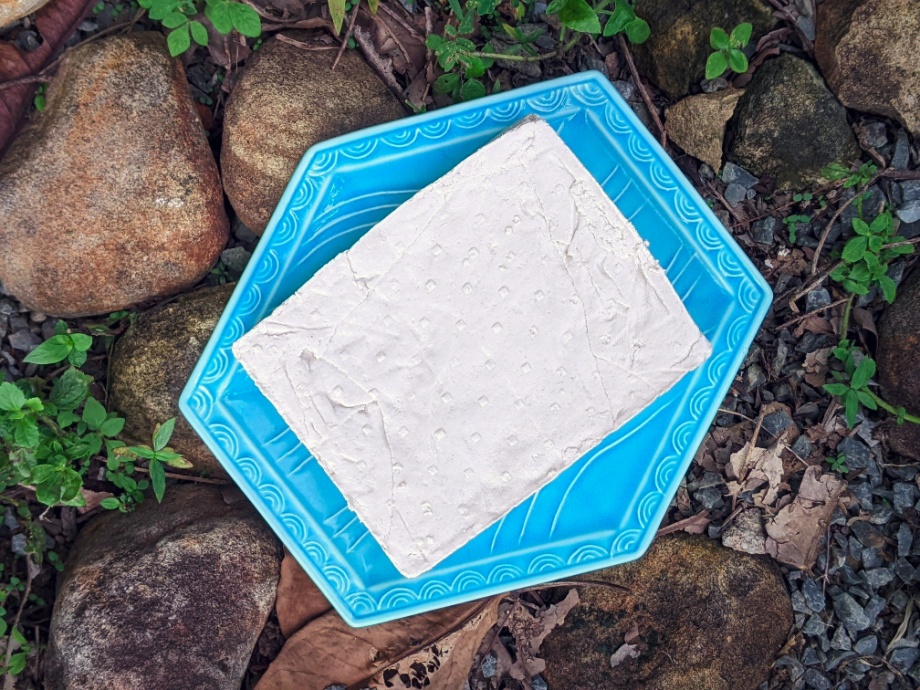
What Is Tofu?
Tofu aka bean curd is made by curdling soy milk and then pressing the resulting curds into a soft block. It can best be compared with how cheese is made from milk. Besides being high in protein, tofu is also a good source of calcium, manganese, selenium and phosphorus.
Some studies suggest that it has potential health benefits like better blood sugar control, management of menopause symptoms, improved heart health, enhanced bone strength, increased weight loss, and protection against certain types of cancer.
However, many other studies have shown the dark side of soy. Most soy products we find on the market today are sourced from GMO crops. Soy is highly allergenic and contains goitrogens and anti-nutrients. Many people, myself included, avoid soy due to concerns about hormone-sensitive cancers and brain function. And it doesn’t stop there. If you want to learn more, please read “The Whole Soy Story” by Dr. Kaayla T. Daniel, PhD, CCN.
While soy might have some health benefits, the benefits don’t seem to outweigh the health risks. I would say, better safe than sorry. STOP EATING SOY! There are plenty of other healthy plant-based protein options available such as chickpeas, lentils, beans, quinoa, nuts, seeds, many leafy green vegetables such as kale, broccoli and spinach, spirulina, avocado, and to be fair the list of protein plant-based foods can go on and on.
Given the information you’ve read above, would you still want to consume soy-based tofu? No? Well, then I have the perfect protein solution for you: PEANUT TOFU.
Servings
3 blocks of 250g
Ready In:
2h30min
Calories:
295 (per 250g)
Good For:
Meat Substitute
Introduction
About this Recipe
By: Amy Goodrich
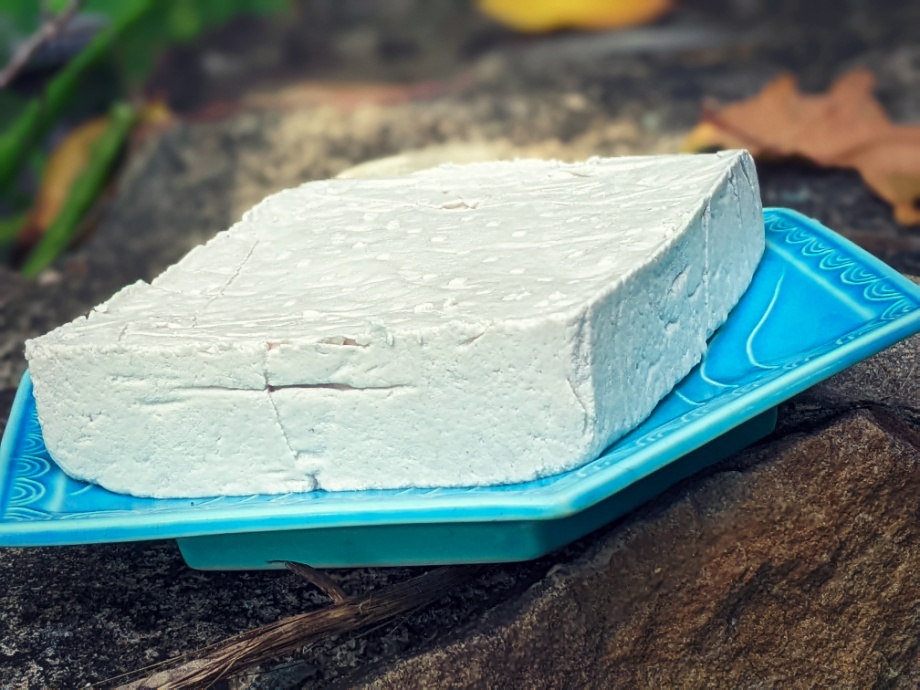
Just like soy-based tofu, peanut tofu is protein-rich and super easy to make. What’s more, it tastes like peanuts. Since soy-based tofu tastes pretty bland, peanut tofu will give your dishes a new and flavorful twist.
Just like soy-based tofu, peanut tofu can be used to create crispy tofu strips or cubes, tofu cheesecake, tofu white sauce, etc.
Equipment
- Blender
- Sieve
- Cheesecloth or nut milk bag
- Big cooking pot
- Sugar or deep fry thermometer (optional)
- Tofu press (or a sieve and heavy weight)
Ingredients
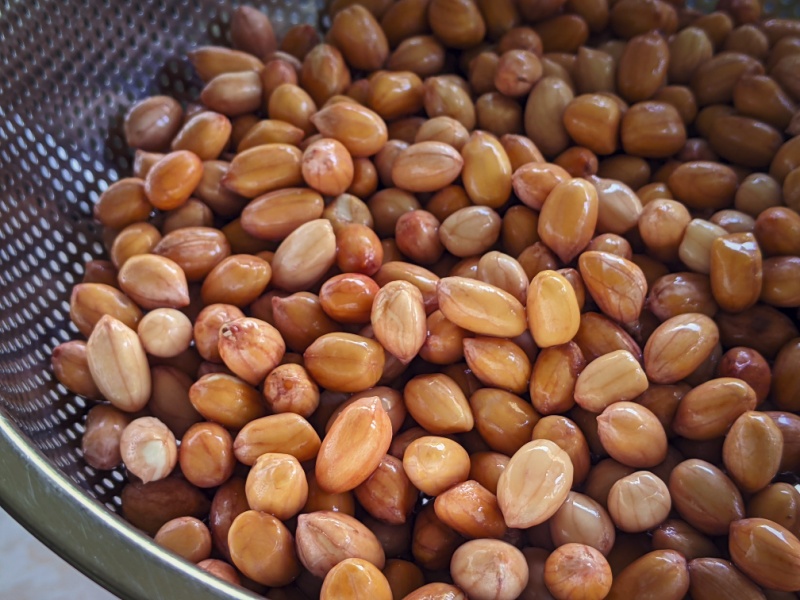
- 1 kg or 2.2 pounds raw peanuts, skin on or off and unsalted
- 5L or 1.3 gallons of filtered water
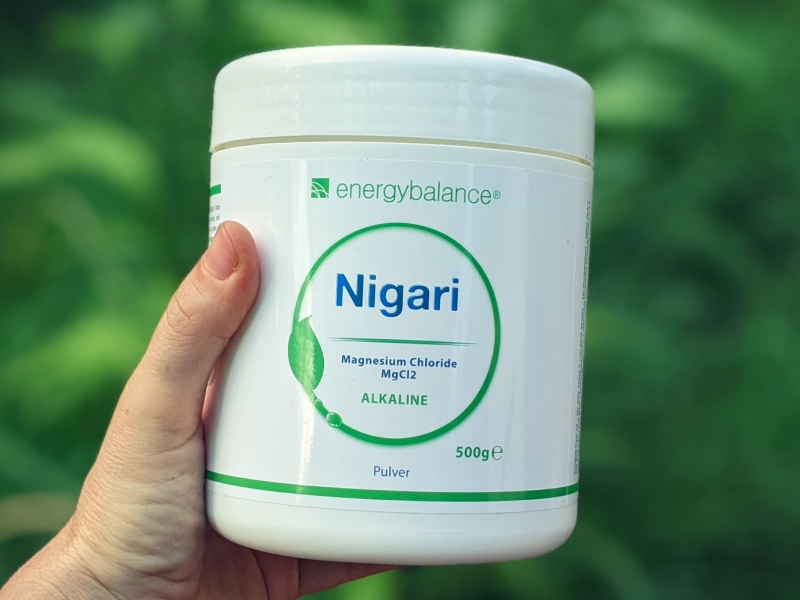
- 1-1.5 tbsp Nigari salt
Meet the powerhouse rock stars of this dish
Nutrition
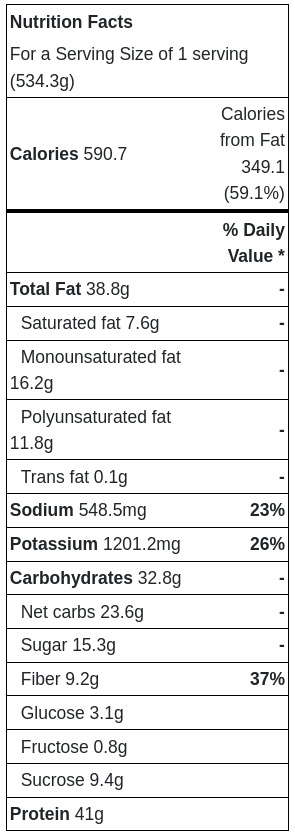
Here you find the nutrition info for 1 block of peanut tofu that weighs about 500g.
The ones I make are around 250g as I prefer thinner blocks. Thinner blocks are easier to cut and marinate.
When I prepare tofu I use around 150-200 grams of tofu per person. Though this amount varies depending on the dish.
Next to being an excellent protein source, peanut tofu is also packed with healthy fats, potassium, fiber, vitamins B6, E and K, calcium, iron, copper, magnesium, phosphorus, zinc, copper, selenium, manganese, niacin, and folate.
Iron, zinc, selenium, and calcium are 4 nutrients vegans often lack in their diet. Adding peanut tofu to your diet can prevent deficiency in these important micro-nutrients.
- Dietary fiber 37%
- Carbs 32.8%
- Fat 38.8%
- Protein 82%
- Calories 29.5%
NOTE:
The DRI (Dietary Reference Intake) for protein is 0.36 grams of protein per pound (0.8 grams per kg) of body weight.
This amounts to:
56 grams per day for the average sedentary man
46 grams per day for the average sedentary woman
Step by Step Instructions
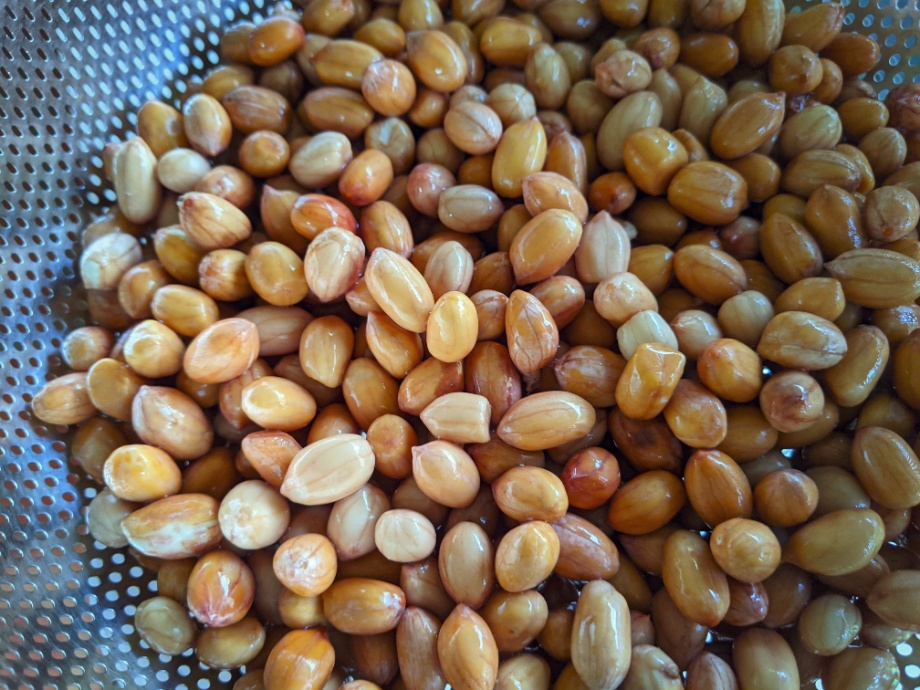
Step 1: Soaking The Raw Peanuts
It is very important that you use RAW peanuts. To successfully make peanut tofu it is essential that the proteins are uncooked in the first stage of making peanut milk. Uncooked peanut proteins are soluble in water.
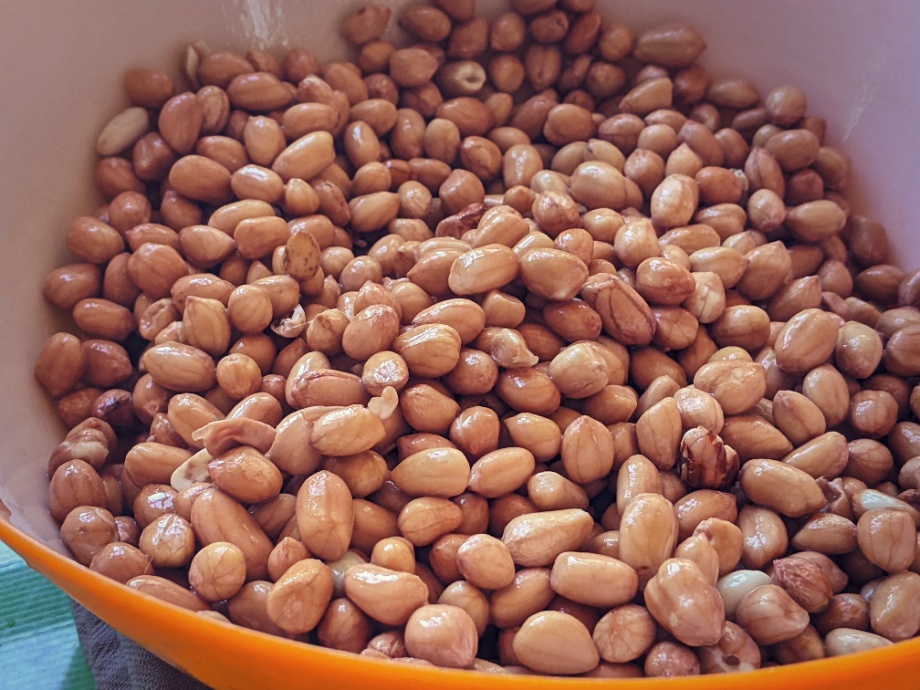
Soak the peanuts, in the fridge, for at least 8 hours in filtered water. The longer you soak them the easier they will blend. Add enough water as they will double or triple in size.
When soaked for at least 8 hours, drain and make protein-rich peanut milk.
Step 2: Make Protein-rich Peanut Milk
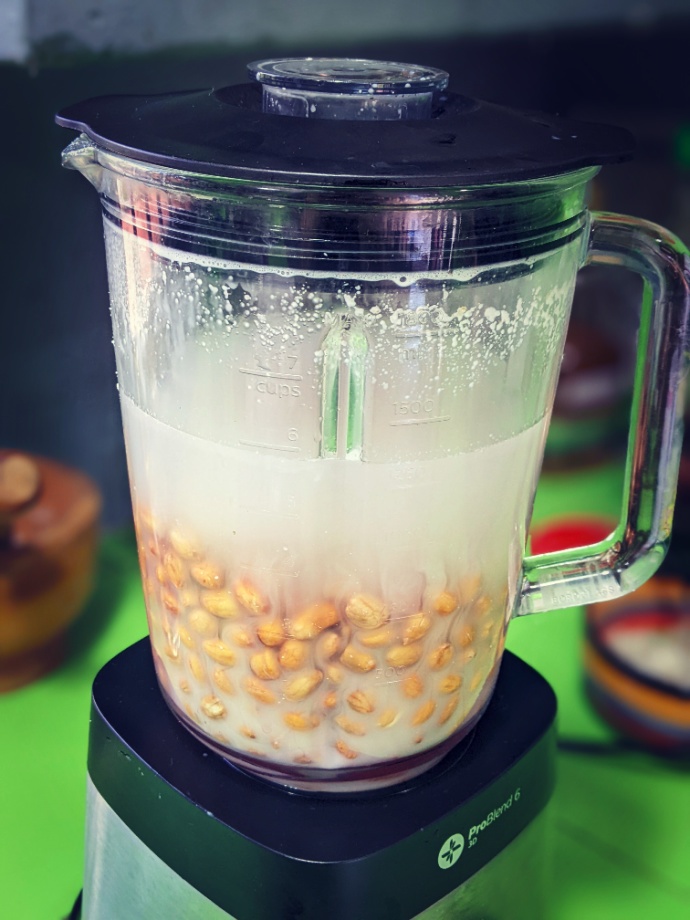
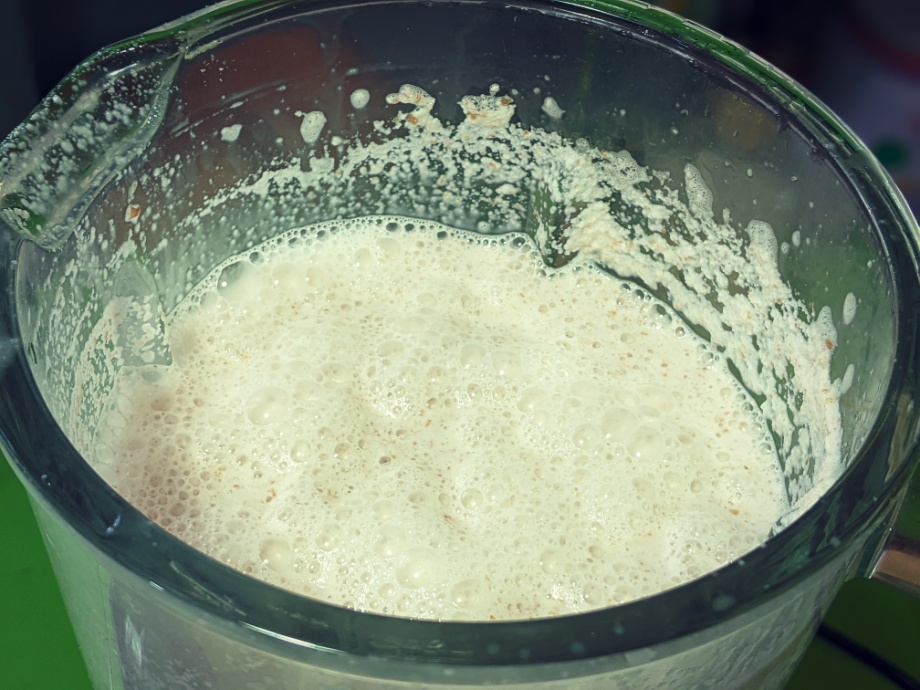
Blend 2 heaping cups of peanuts with 4 cups of water at full speed for a few minutes to make protein-rich peanut milk. You will have to do this 4 to 5 times as 1 kg dried peanuts provides about 8-10 cups of soaked peanuts.
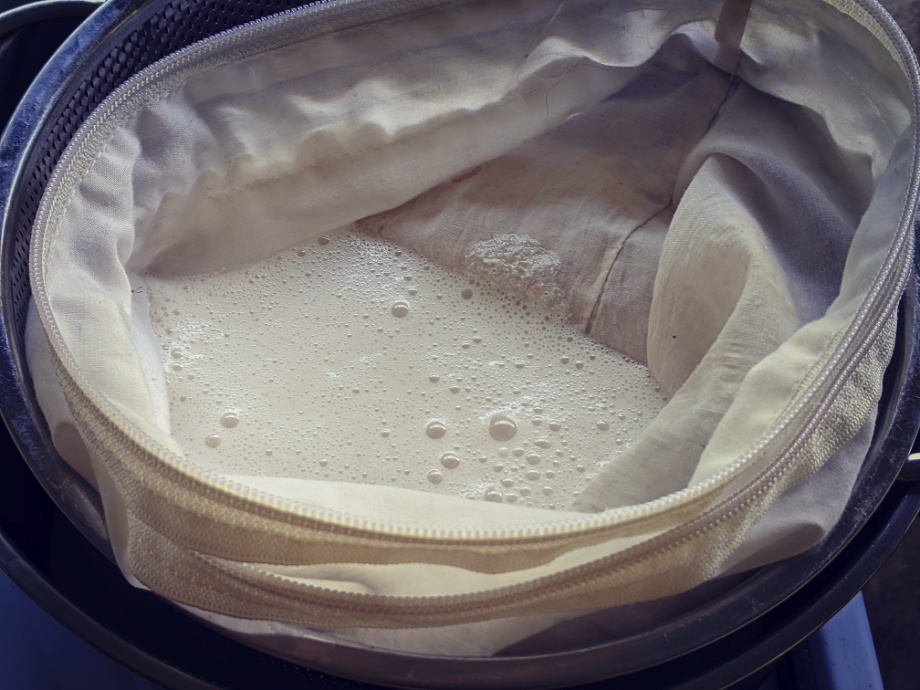
Put a sieve over a large stockpot and line it with a cheesecloth or use a nut milk bag instead. If you use 1 kg of peanuts, you will end up with about 4 to 5 liters of peanut milk. In the next step, we will boil the milk and it will foam up, so make sure your stockpot can hold at least 7L of liquid.
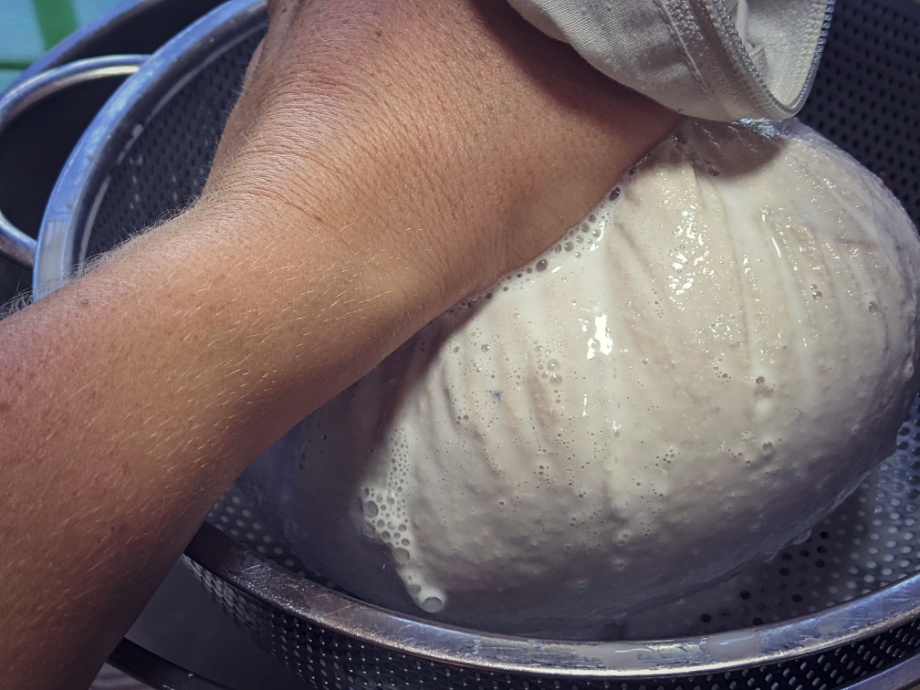
In batches, pour the peanut milk into the nut milk bag. Let the milk drain into the stockpot. Firmly squeeze the cheesecloth or nut milk bag at the end to get all the peanut milk out of the cheesecloth or nut milk bag into the pot.
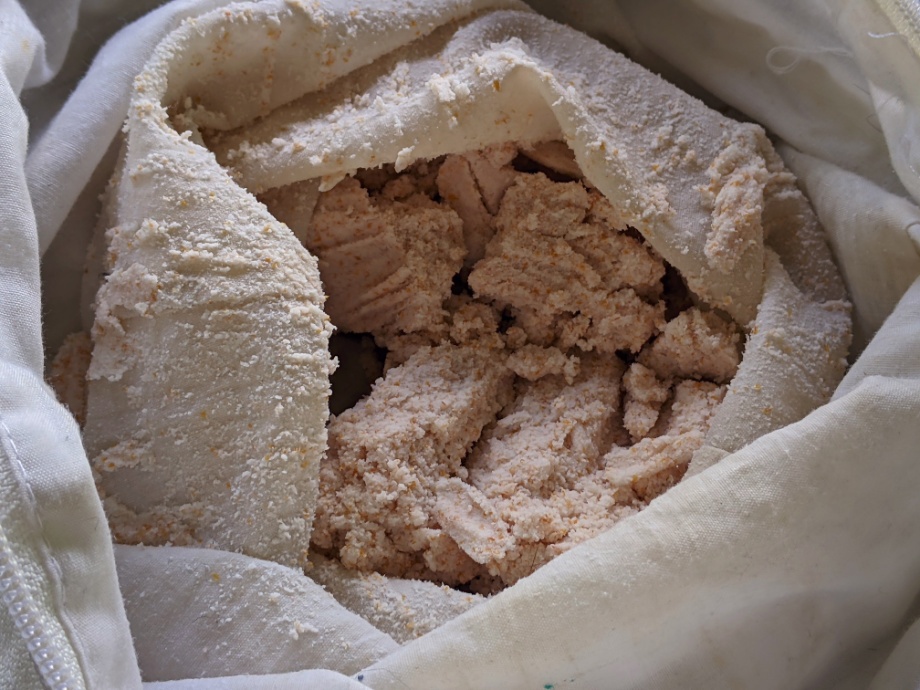
In the nut milk bag or cheesecloth, you will be left with the fibrous residue of the peanuts called okra. If you squeezed it well enough, the okra will be quite dry. This is the part we won’t need to make peanut tofu. You can either put it in the compost bin or use it to make cookies, pizza dough, etc.
Step 3: Boil The Protein-rich Peanut Milk
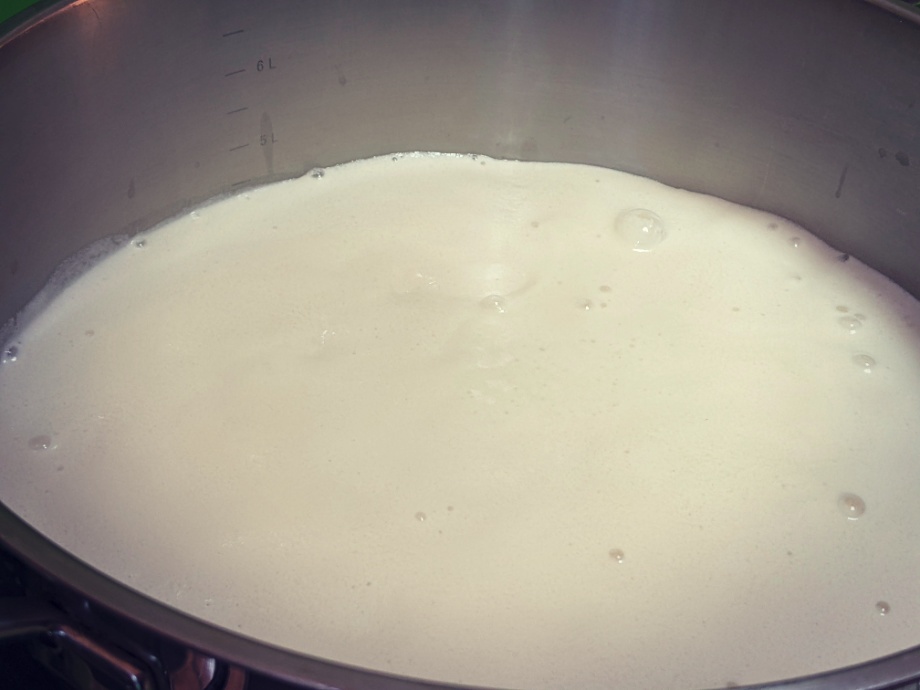
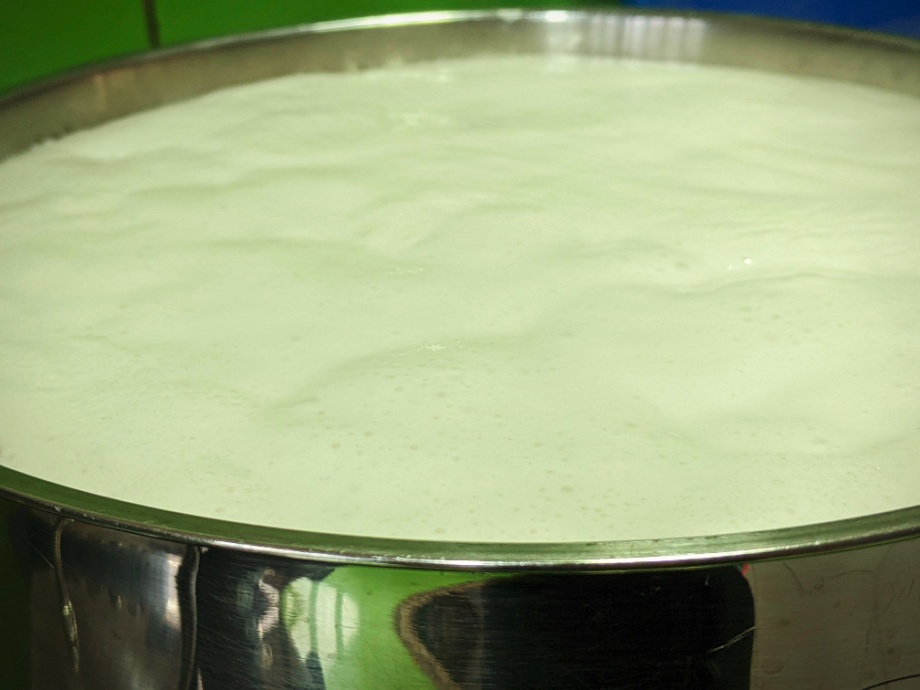
In the stockpot, you will now have about 4 to 5 liters of protein-rich peanut milk. Bring the peanut milk to a boil. Stir regularly and make sure it doesn’t boil over (or burn) as it will foam up a lot. When boiling, reduce the heat to low and let simmer for 15 minutes. Again make sure to stir regularly so the milk doesn’t boil over.
Allow the peanut milk to cool down to 80°C or 175°F. Use a sugar or deep fry thermometer to check the temperature. If you don’t have one then let it cool for about 10 minutes. After 10 minutes it will be around 80°C or 175°F. Though it is best to add the coagulates at 80°C or 175°F, this doesn’t need to be exact. I have added the coagulators at temperatures just above and just below this and the peanut tofu came out just fine.
If, however, you are planning to make this often, sugar or deep fry thermometers are not expensive and are a handy tool to have.

Step 4: Add Coagulator to Split The Milk Into Curds and Whey
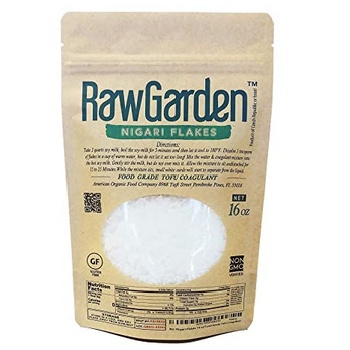
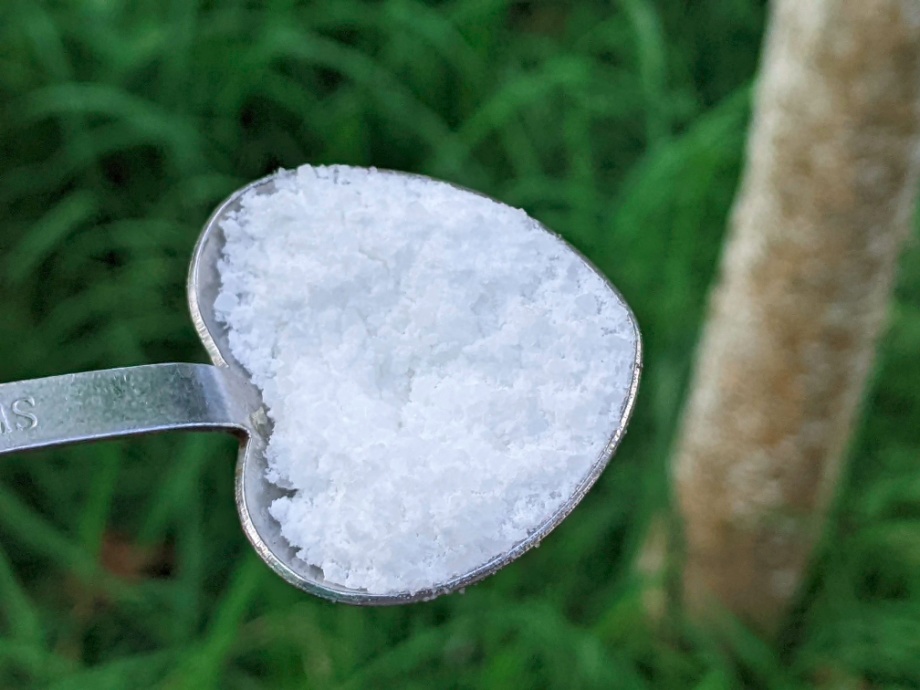
As a coagulant to split the peanut curds from the whey, I use a popular tofu coagulant called nigari. Nigari comes in many forms going from large flakes to fine-grain salt. Other tofu coagulants are gypsum or lemon juice, though I have no experience in using these as coagulants for peanut tofu I am sure they will work too. If you ever use them please let me know how your tofu turned out in the comment box below.
The ratio of adding nigari to peanut milk for coagulation is about 3g of nigari for 1 liter of peanut milk. Though I have found that when you add a little more, the coagulation is a bit better. For 4.5 to 5 liters I add 1.5 tbsp of nigari (1 tbsp = 15 grams). Before adding the nigari to the boiled milk, dissolve it in ½ cup of filtered, warm water. Do this just before you are adding the nigari to the mix. Don’t let it sit too long.
When the milk has reached 80°C or 175°F, add the dissolved nigari. Stir just enough to mix. You will notice that the curds are already forming so you don’t want to disturb the process too much by mixing vigorously.
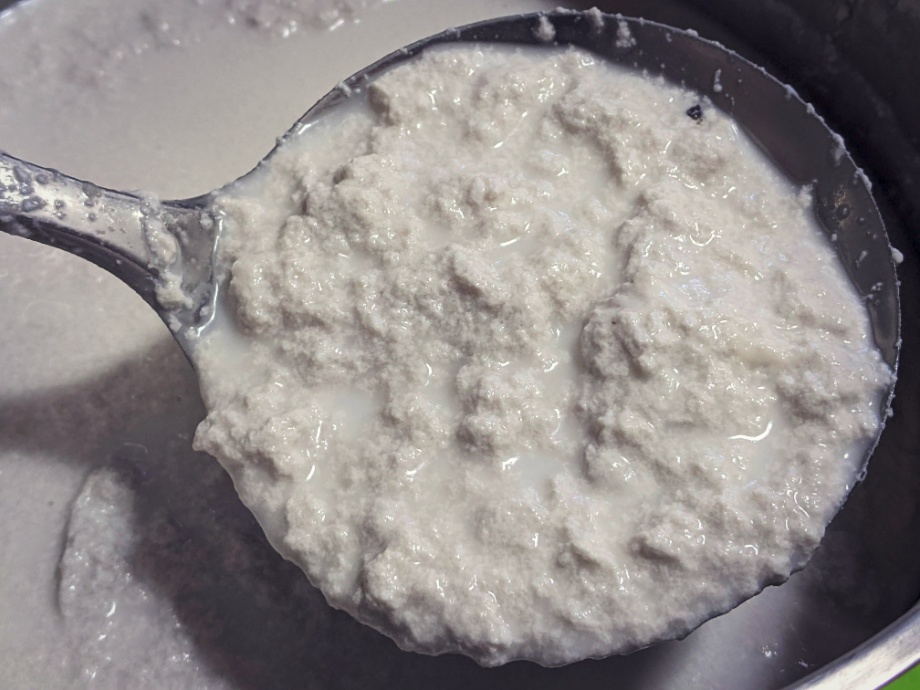
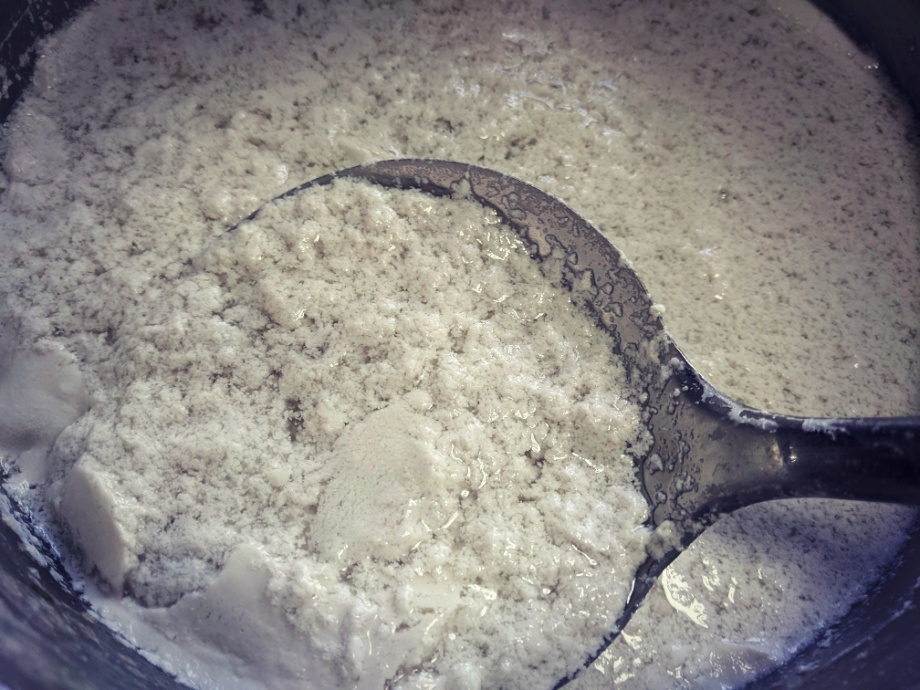
Let sit for about 20 to 25 minutes. The peanut milk will split into curds and something similar to whey.
Step 5: Press the Curds Into Blocks
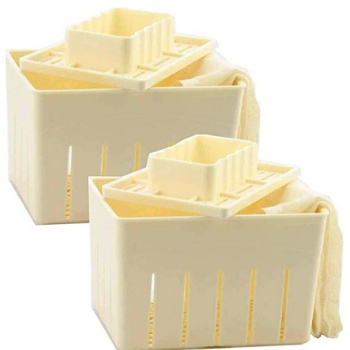
To make tofu blocks, you will need a tofu press. If you don’t have one you can use a sieve, plate, and heavy weight to press the tofu blocks. However, I recommend buying a tofu press to make things easier.
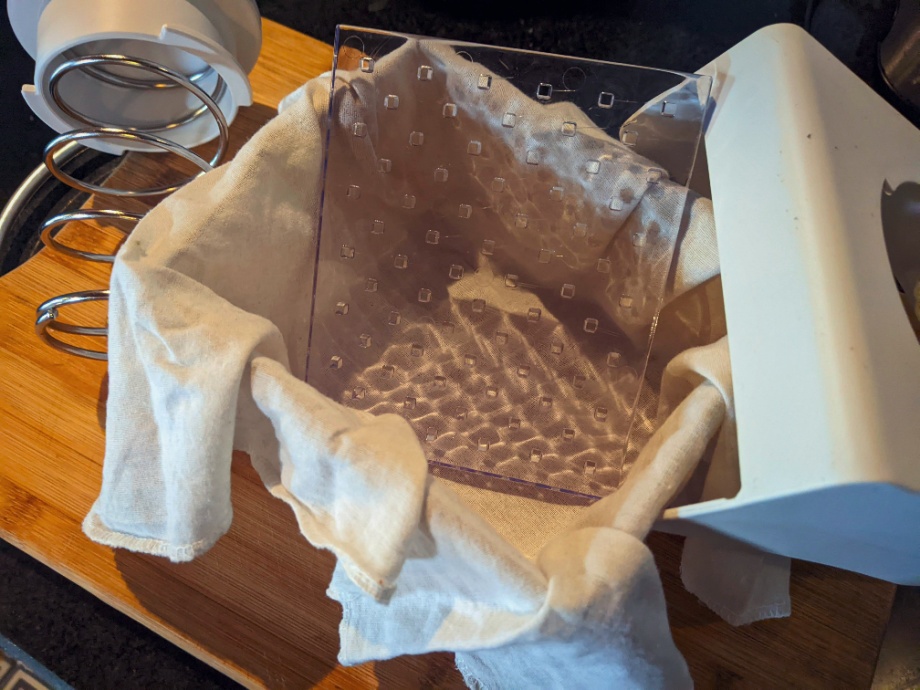
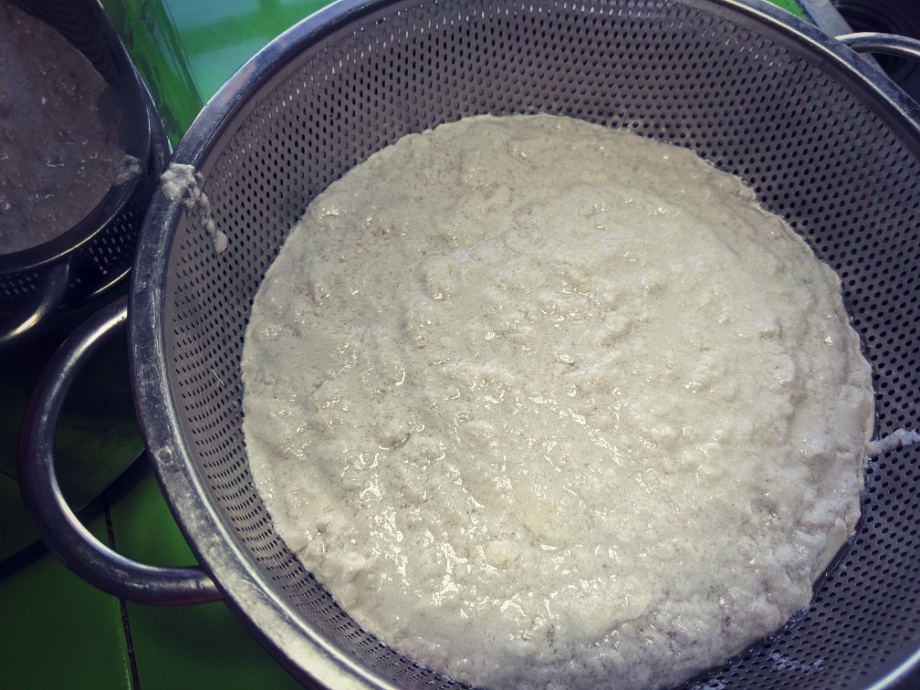
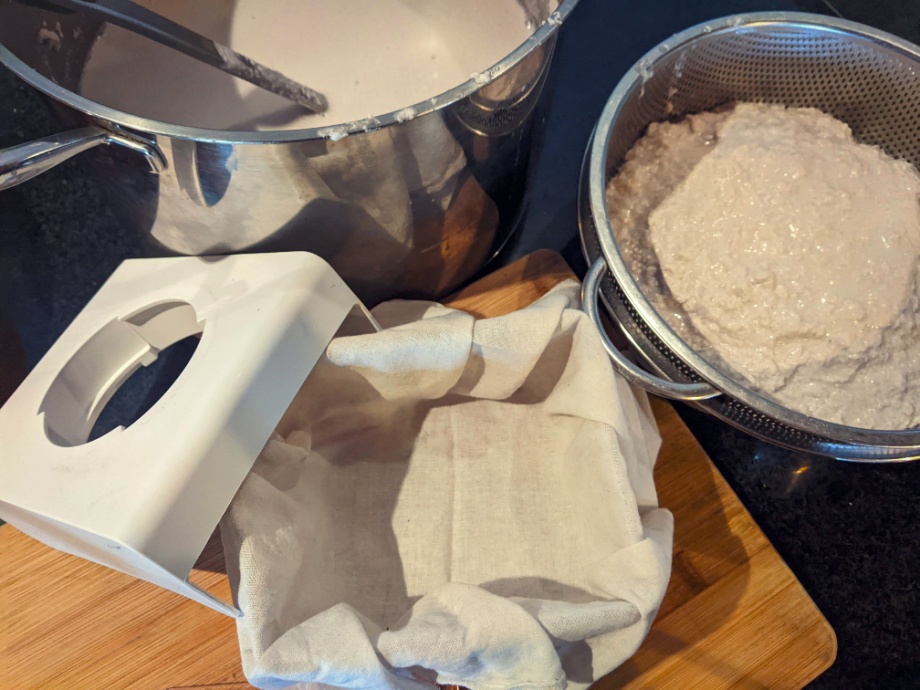
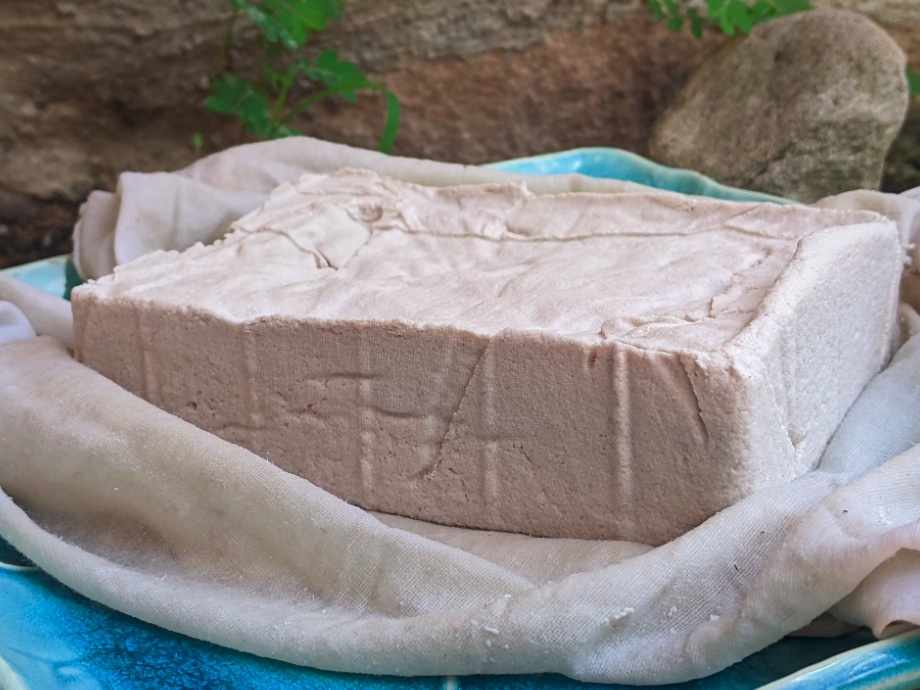
Add one of the press plates to the bottom of the tofu press and line the tofu press with a cheesecloth. Using a slotted spoon, scoop out the solid parts or curd from the top into a sieve. This will already help you get some water out of the tofu. 1 kg of peanuts will give you 2 blocks of tofu.
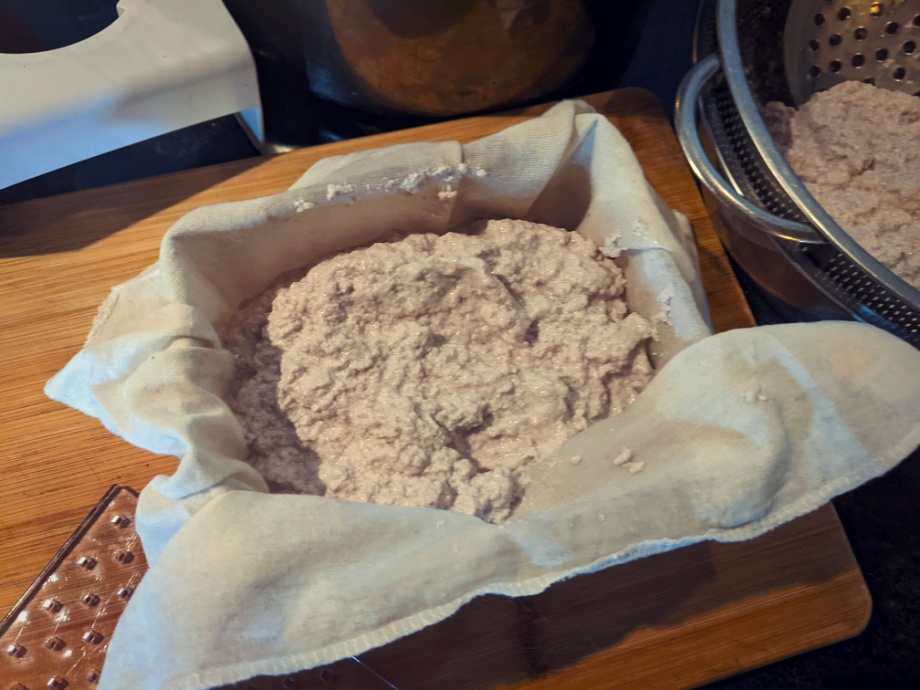
Fill up the press with half of the curds. Fold the cheesecloth over the curds. Add the second plate on top and close with the lid. The tofu press has 2 pressing stands. I like my tofu firm so I press the tofu on the second level.
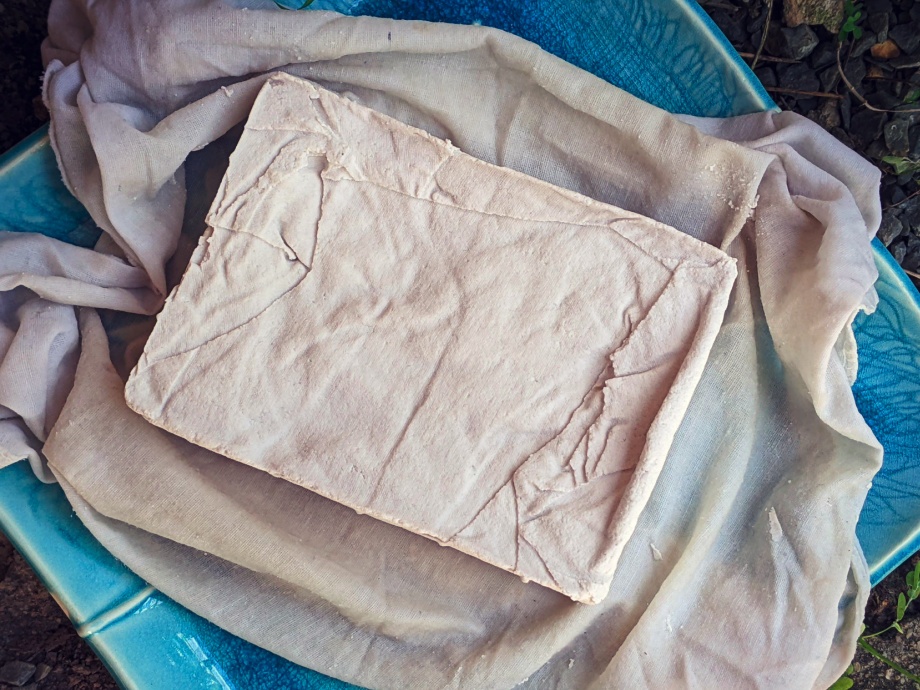
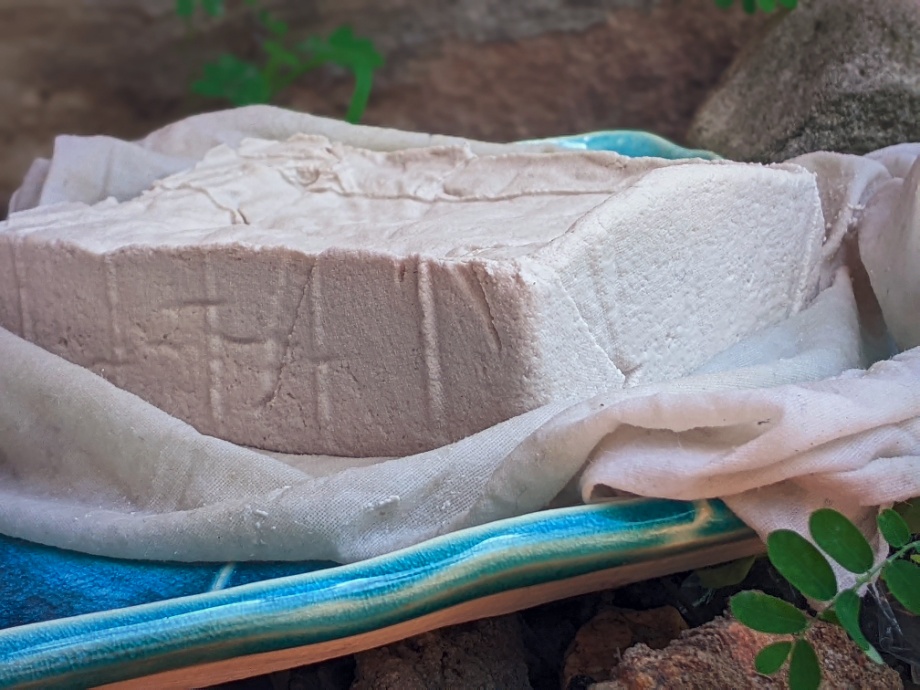
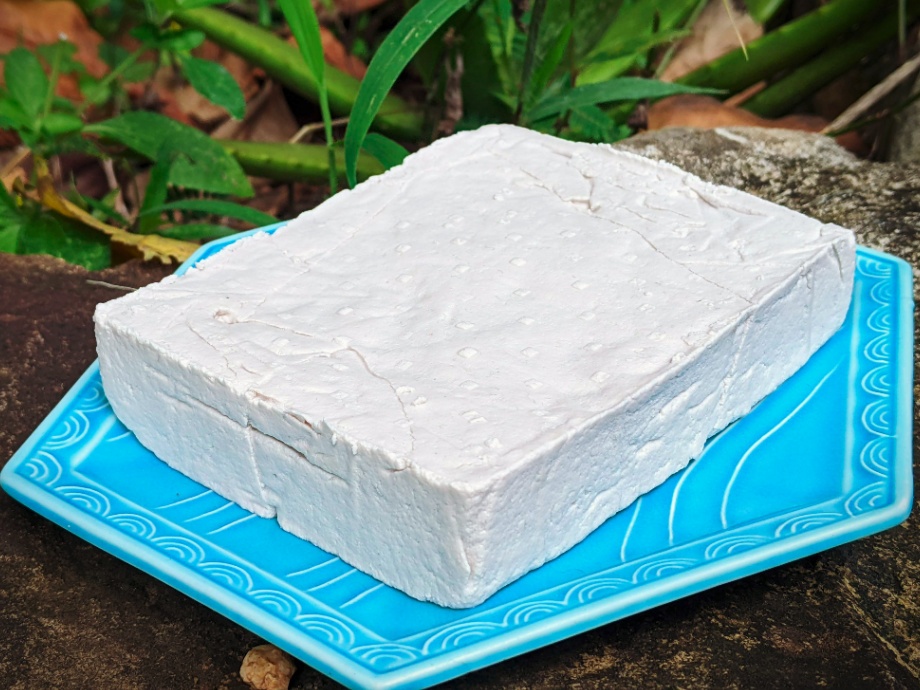
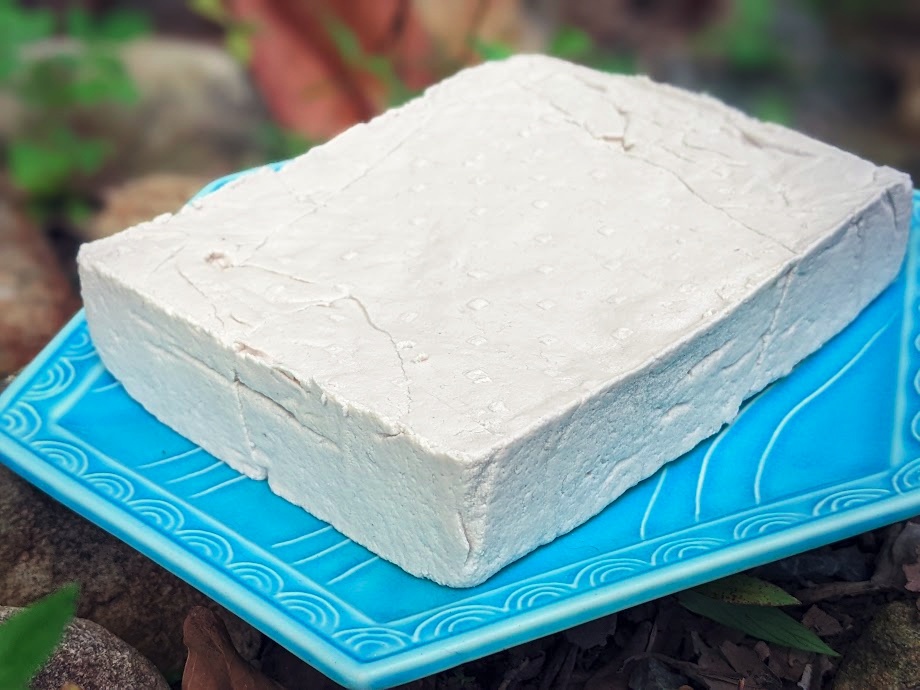
For the best result, press each block for 20 minutes to remove most of the liquid and create a firm block. Pour most of the liquid out of the press and remove the block. To get even more water out of the block add it to a clean towel. Pat dry and let it sit for a few minutes.
Tofu blocks can be kept in the fridge for a few days or freeze if you are not planning to use them straight away.
TIP: The secret to the best marinated tofu is to freeze and defrost the brick of tofu first. The water in the tofu expands and turns to ice crystals once frozen, changing the molecular structure. Once defrosted, the ice crystals melt out of the tofu and leave air pockets behind, making it easier for the marinade to infuse the tofu block.
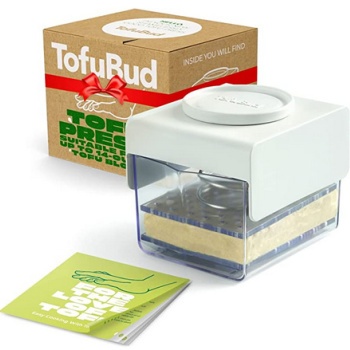
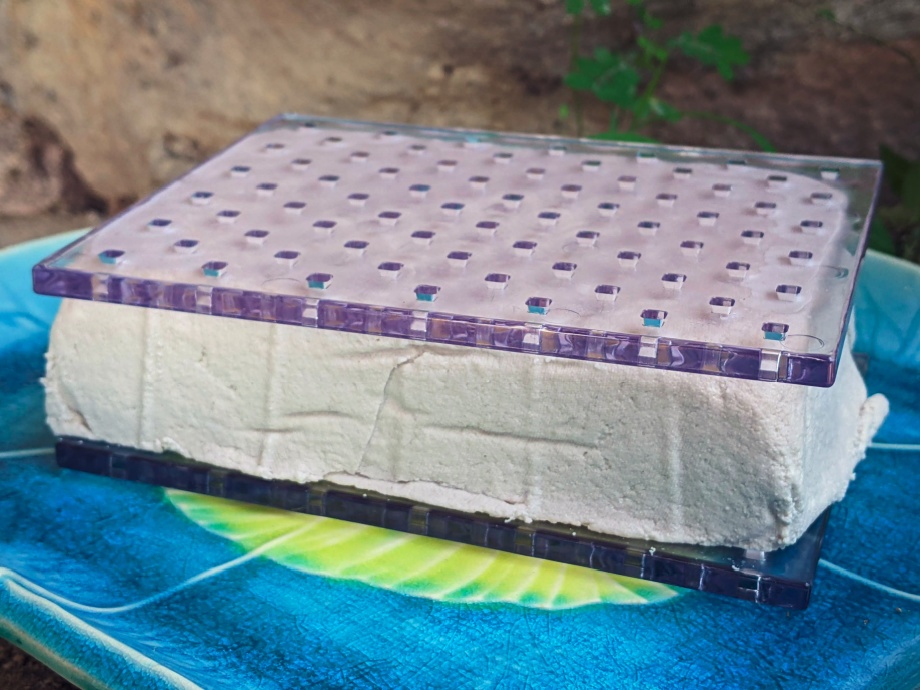
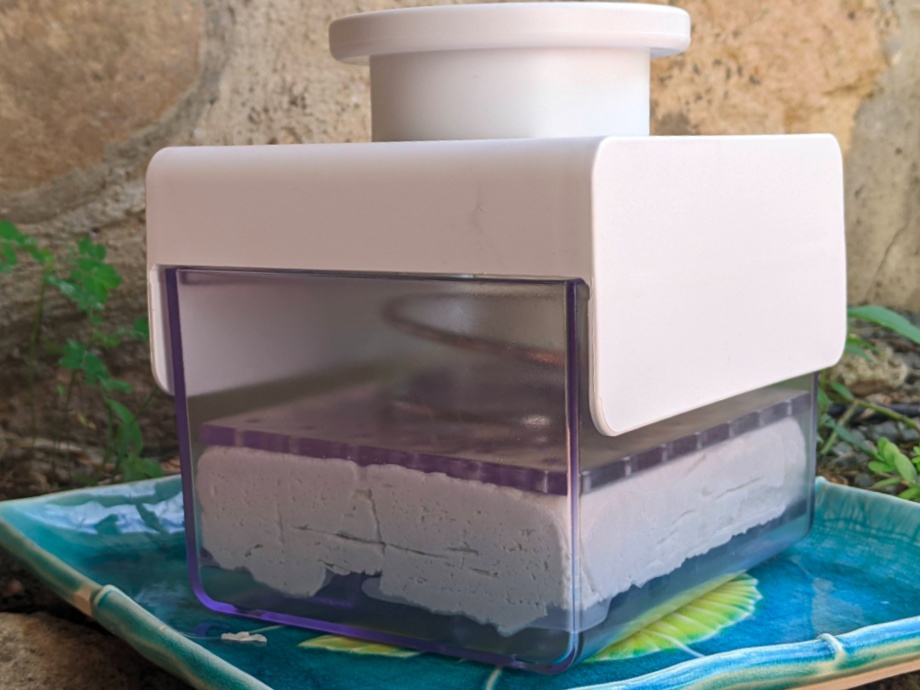
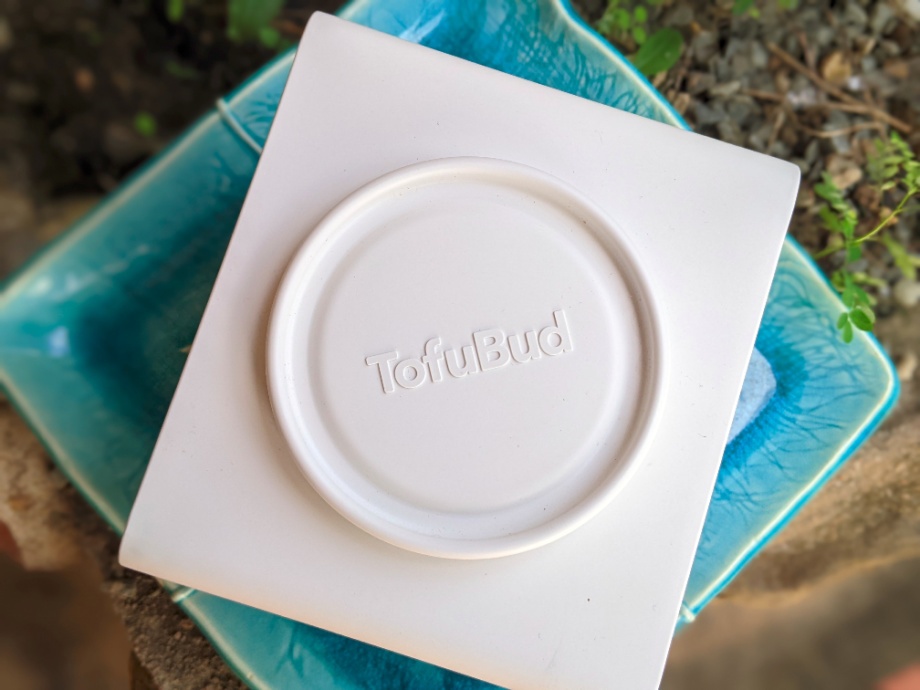
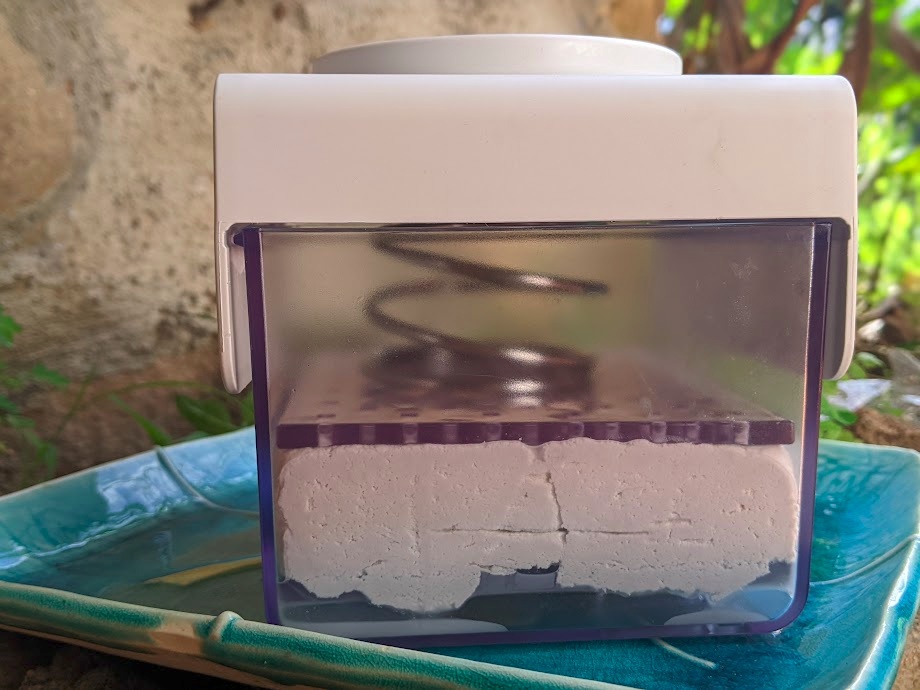
TOFU PRESS TIP: TofuBud
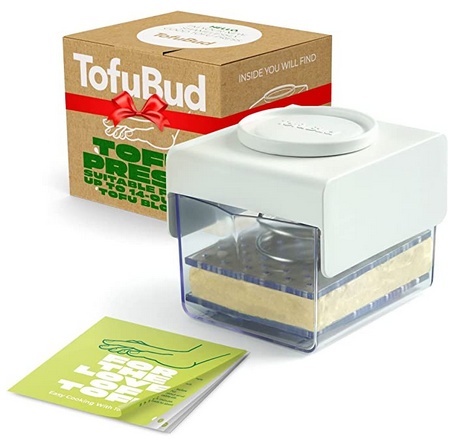
I’ve been perfecting my tofu-making process for a while now. While I started with a basic $1 tofu press, I highly recommend investing in a slightly better model like the one I use.
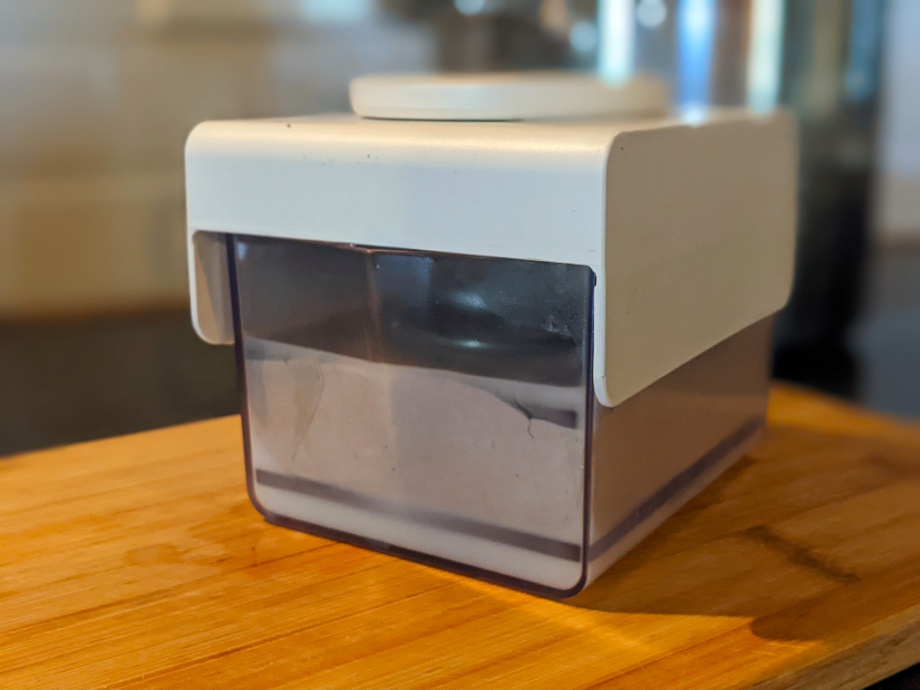
My TofuBud press, which cost around $25, is incredibly easy to use and clean. Most people use tofu presses to remove excess water from store-bought tofu, but mine helps me quickly press the blocks I make myself.
A simple press or weighted sieve can take 40 minutes to press a block, often leaving it quite watery. With the TofuBud, you can achieve firm tofu in just 15-20 minutes, significantly speeding up the process.
If your tofu still feels too moist after the first press, you can press it again to remove even more liquid and achieve an extra firm texture. Luckily, the TofuBud comes with two pressing stands, allowing you to customize the firmness based on your preference. We prefer extra firm tofu for its easier handling and superior marinade absorption.
FYI: EXTRA FLAVOR TIP
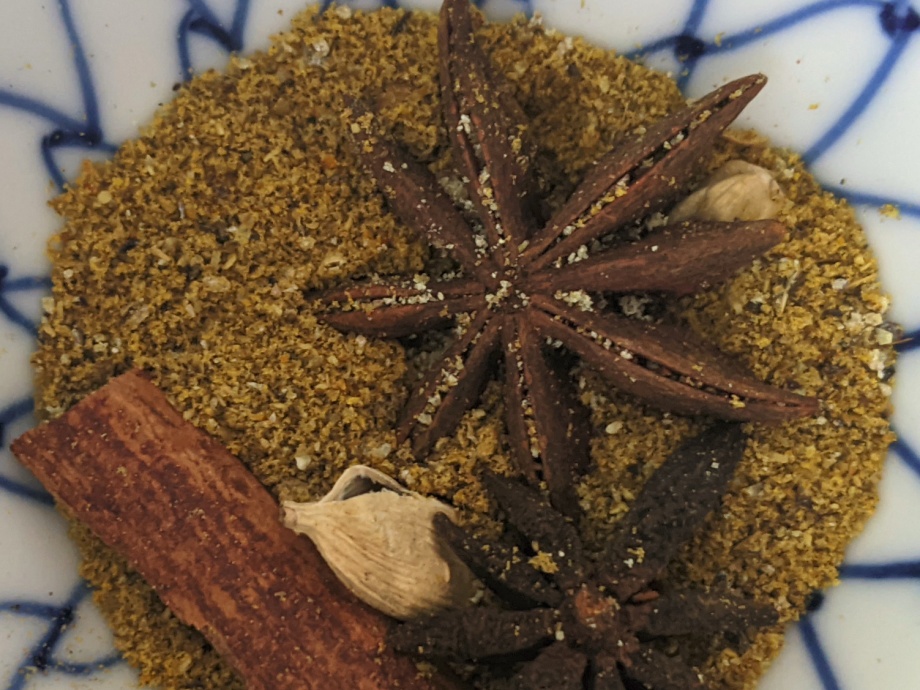
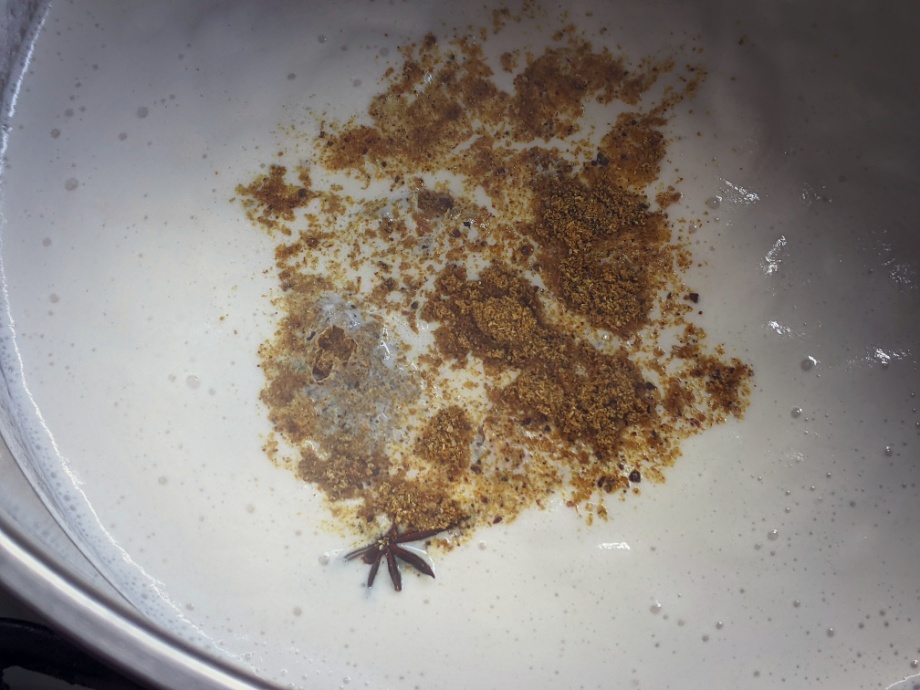
If you want to add more flavor, you can boil the peanut milk with extra herbs and spices. Though I don’t do this every time as I usually marinate the tofu to make peanut tofu tacos or a salad with crispy tofu.
However, if you are using tofu as it is adding herbs and spices when boiling the milk is a great way to add some extra flavor.
Easy, Printable Recipe Card
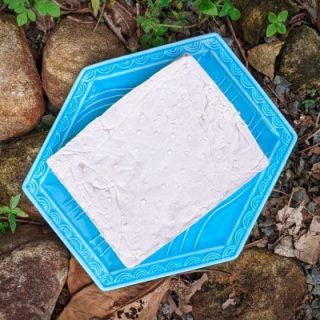
How To Make Homemade Peanut Tofu
Soy-Free, delicious, protein-rich, and 100% plant-based, this peanut tofu is a regular dinner or lunch staple at our home.
Ingredients
- 1 kg or 2.2 pounds raw peanuts, skin on or off and unsalted
- 5L or 1.3 gallons of filtered water
- 1-1.5 tbsp Nigari salt
Instructions
Step 1: Soaking The Raw Peanuts
It is very important that you use RAW peanuts.
Soak the peanuts, in the fridge, for at least 8 hours in filtered water. The longer you soak them the easier they will blend. Add enough water as they will double or triple in size.
When soaked for at least 8 hours, drain and make a protein peanut milk.
Step 2: Make Protein-rich Peanut Milk
Blend 2 heaping cups of peanuts with 4 cups of water at full speed for a few minutes to make protein-rich peanut milk. You will have to do this 4 to 5 times as 1 kg dried peanuts provides about 8-10 cups of soaked peanuts.
Put a sieve over a large stockpot and line it with a cheesecloth or use a nut milk bag instead. If you use 1 kg of peanuts, you will end up with about 4 to 5 liters of peanut milk. In the next step, we will boil the milk and it will foam up, so make sure your stockpot can hold at least 7L of liquid.
In batches, pour the peanut milk into the nut milk bag. Let the milk drain into the stockpot. Firmly squeeze the cheesecloth or nut milk bag at the end to get all the peanut milk out of the cheesecloth or nut milk bag into the pot.
In the nut milk bag or cheesecloth, you will be left with the fibrous residue of the peanuts called okra. If you squeezed it well enough, the okra will be quite dry. This is the part we won’t need to make peanut tofu. You can either put it in the compost bin or use it to make cookies, pizza dough, etc.
Step 3: Boil The Protein-rich Peanut Milk
In the stockpot, you will now have about 4 to 5 liters of protein-rich peanut milk. Bring the peanut milk to a boil. Stir regularly and make sure it doesn’t boil over (or burn) as it will foam up a lot. When boiling, reduce the heat to low and let simmer for 15 minutes. Again make sure to stir regularly so the milk doesn’t boil over.
Allow the peanut milk to cool down to 80°C or 175°F. Use a sugar or deep fry thermometer to check the temperature. If you don’t have one then let it cool for about 10 minutes. After 10 minutes it will be around 80°C or 175°F. Though it is best to add the coagulates at 80°C or 175°F, this doesn’t need to be exact. I have added the coagulators at temperatures just above and just below this and the peanut tofu came out just fine.
Step 4: Add Coagulator to Split The Milk Into Curds and Whey
As a coagulant to split the peanut curds from the whey, I use a popular tofu coagulant called nigari.
The ratio of adding nigari to peanut milk for coagulation is about 3g of nigari for 1 liter of peanut milk. Though I have found that when you add a little more, the coagulation is a bit better. For 4.5 to 5 liters I add 1.5 tbsp of nigari (1 tbsp = 15 grams).
Before adding the nigari to the boiled milk, dissolve it in ½ cup of filtered, warm water. Do this just before you are adding the nigari to the mix. Don't let it sit too long.
When the milk has reached 80°C or 175°F, add the dissolved nigari. Stir just enough to mix. You will notice that the curds are already forming so you don’t want to disturb the process too much by mixing vigorously.
Let sit for about 20 to 25 minutes. The peanut milk will split into curds and something similar to whey.
Step 5: Press the Curds Into Blocks
To make tofu blocks, you will need a tofu press. If you don’t have one you can use a sieve, plate, and heavy weight to press the tofu blocks. However, I recommend buying a tofu press to make things easier.
Add one of the press plates to the bottom of the tofu press and line the tofu press with a cheesecloth. Using a slotted spoon, scoop out the solid parts or curd from the top into a sieve. This will already help you get some water out of the tofu. 1 kg of peanuts will give you 2 blocks of tofu.
Fill up the press with half of the curds. Fold the cheesecloth over the curds. Add the second plate on top and close with the lid. The tofu press has 2 pressing stands. I like my tofu firm so I press the tofu on the second level.
For the best result, press each block for 20 minutes to remove most of the liquid and create a firm block. Pour most of the liquid out of the press and remove the block. To get even more water out of the block add it to a clean towel. Pat dry and let it sit for a few minutes.
Tofu blocks can be kept in the fridge for a few days or freeze if you are not planning to use them straight away.
TIP: The secret to the best marinated tofu is to freeze and defrost the brick of tofu first. The water in the tofu expands and turns to ice crystals once frozen, changing the molecular structure. Once defrosted, the ice crystals melt out of the tofu and leave air pockets behind, making it easier for the marinade to infuse the tofu block.
Notes
For more detailed info about each step, see the full instructions above.