
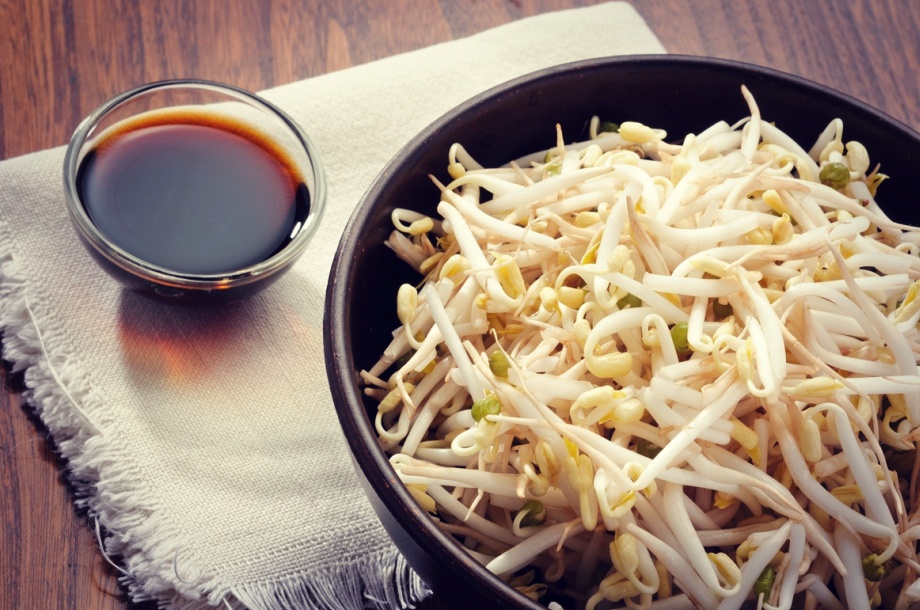
Before we can answer the question of whether soy sprouts are good for you or not, let’s have a look at soy itself.
Is Soy Bad For You Or Not?
For decades the mainstream media has been telling us how healthy it is to add more soy to our diet. Today, soybean oil, soy milk, and soy flour can be found as an ingredient in many processed foods.
But is soy really that healthy or did the billion-dollar marketing campaigns from big corporations tricked us into believing their truth?
If you take a look at some trustworthy, non-soy-industry-funded scientific studies about soy, you may be shocked! There are so many research papers linking soy to malnutrition, digestive distress, immune system breakdown, thyroid dysfunction, cognitive decline, reproductive disorders, infertility, cancer, and heart diseases.
The last one came as a shock to me. Born with a heart rhythm disorder and high levels of cholesterol, I have been told for years to drink soy milk, cook with soy-based oil or butter, eat soy-based yogurt, and regularly add tofu to my diet to improve my heart health.
So as a dupable person, I fell prey to misleading commercials from the soy industry. Even my doctor advised me to eat it more often. So why would I doubt the superpowers of soy for my health? Even my doctor told me it is good for me! And she should know, right?
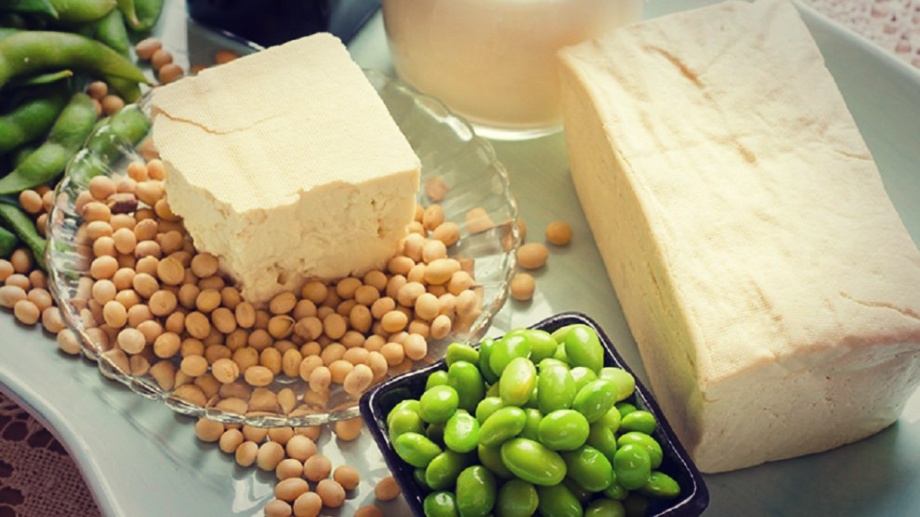
The Shocking Truth, How I Almost Got Breast Cancer Thanks To Soy
Many years ago – when I just decided to become a plant-based muncher – tofu, soy burgers, soy cheese, soy milk, and soy yogurt were all a big part of my daily diet.
For quite a while, all seemed to be ok. I was feeling well, getting my much-needed protein from soy. Until one week trouble began. That’s how I discovered the dark side of soy and the evil moneymaking industry behind this so-called health food.
My both breasts were so painful I couldn’t stand to wear a bra any longer. All my breast glands were swollen to the size of big marbles. My doctor immediately redirected me to a breast specialist for a mammogram and ultrasound screening.
Luckily those lumps and bumps weren’t breast cancer, yet! The diagnosis: swollen milk glands and a fibroadenoma. They also found lots of calcifications throughout both breasts. Having these calcifications (and over-stimulation of milk glands) doesn’t necessarily mean cancer, but they can be the onset of this dreadful disease.
After taking a look at my diet and lifestyle, my breast specialist told me that these breast lumps and bumps could be caused by my high consumption of soy, my coffee addiction, or other things I was eating/drinking regularly that cause an imbalance in my hormones.
She then said that I had to quit a few foods one by one to see what happens. Not ready to get over my coffee addiction yet, I decided to quit eating soy that day. Luckily I picked the right food item straight away, 2 weeks later all went back to normal.
That’s how I discovered the truth about soy just in time. Ever since (unfermented) soy products are no longer on the menu at our home.
Though I still have calcification in my breasts and 2 slightly enlarged milk ducts they don’t cause any issues anymore, After a few weeks of changing a few other things in my diet, I was even able to reduce the fibroadenoma to the size of a tiny rice grain.
10-day whole food reset plan: A SIMPLE CLEANSE OF BODY AND MIND
A healthy body reset to lose weight, eliminate toxins, and kick-start your new way of life. No cranky starving process on a dash of lemon juice and a single bean, but a 10-day transformation to rev your weight loss engine and live a healthier life.
But What About The Asian People? They Eat Tons Of Soy And Are in Perfect Health! Or is this Just An Illusion?
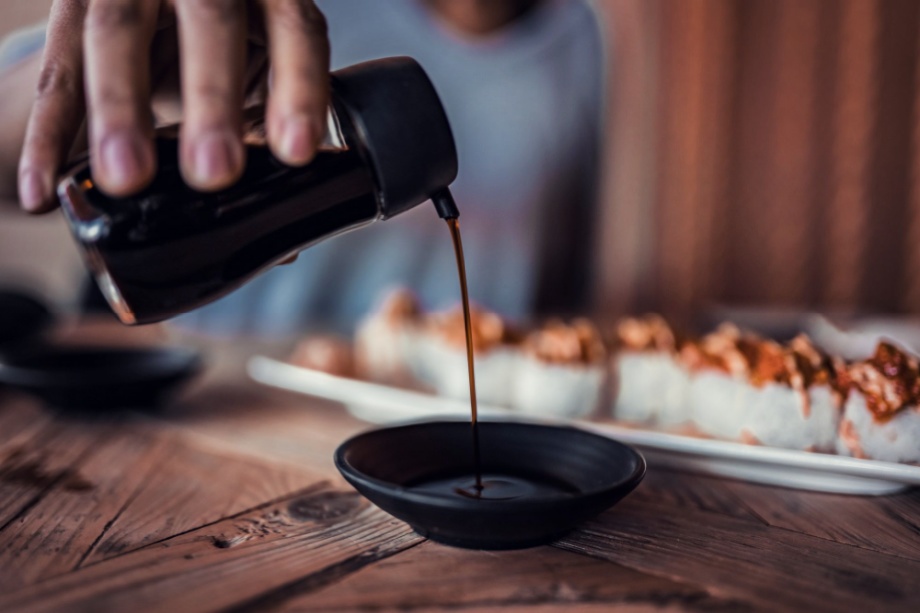
For centuries Asian people have been consuming FERMENTED soy products such as soy sauce, miso, natto, and tempeh and reaping their benefits.
Originally, soy was used as an inedible plant to fix nitrogen in the soil. The ancient Chinese already knew back then that soy contains many toxins. Only after they discovered how to neutralize these toxins through fermentation, they started to use the fermented soy in small amounts, about 9 grams a day, for cooking.
Only recently we started to consume large amounts of unfermented and processed soy products like tofu, soy milk, soy cheese, soy burgers, protein powder shakes, and soy ice cream. This was a result of massive investments in the advertising of the soy industry. Big money has and still is being made with our health at stake! We’ve been manipulated into believing that soy is part of a healthy lifestyle.
Processed soy snacks or shakes contain over 20 grams of unfermented soy protein in only one serving. So in contrast to what we think, Asians only use moderate amounts (about two teaspoons daily) as a condiment, but not as their primary protein source. And most soy products they use are fermented!
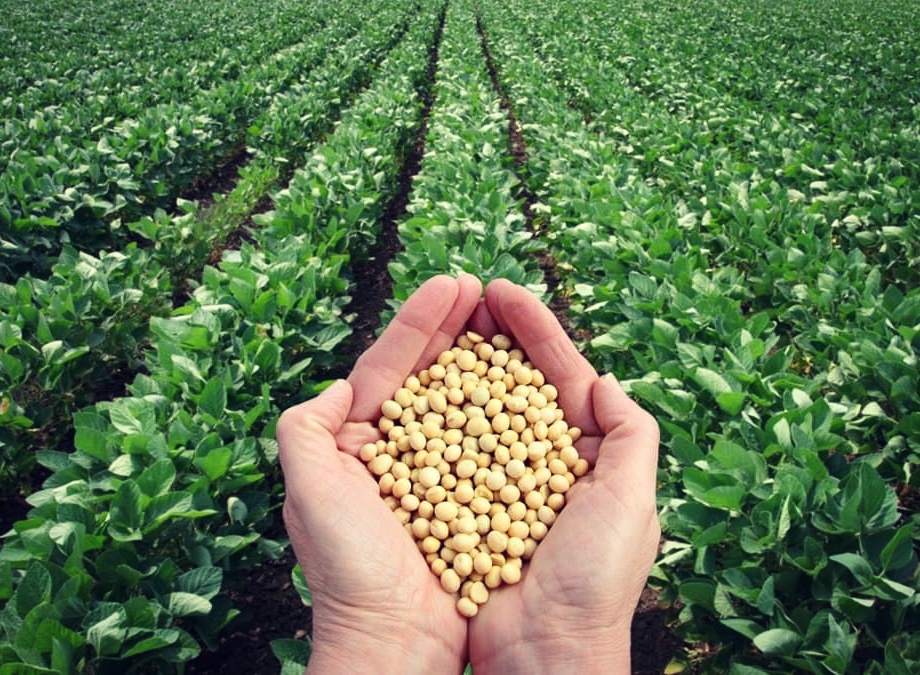
Soy, A Risky Business For Your Health
Almost all soy products available on the western market are not a health food.
They have been linked to many diseases such as breast cancer, brain damage, thyroid disorders, kidney stones, allergies, infertility, infant abnormalities, and much more.
What Are The Hidden Dangers Of Soy
- Over 80% of the soy grown in the US is genetically modified (GM) to make the soy plant resistant to a toxic herbicide called Roundup (active ingredient is glyphosate). Resulting in an increased yield but loaded with toxic pesticides that end up in our food chain. GM soy has been linked to allergies, certain cancers, birth defects, sterility, and other health problems.
- Unfermented soy contains natural toxins, such as saponins, goitrogens, hemagglutinin, trypsin inhibitors, oxalates, phytates, protease, estrogens, etc. Hemagglutinin is a clot-promoting substance, goitrogens are known to block the synthesis of thyroid hormones, phytates bind to metal ions which prevent the absorption of many minerals and vitamins. Trypsin inhibitors can cause problems in the pancreas and stunt growth hormones. When eaten in large amounts, like in our American diets, those toxins can be very dangerous and be the onset of many diseases and allergies.
- Lectins – Soy contains lectin. When consumed in high amounts, it can mess up leptin sensitivity, triggering hunger pangs even if the body has enough stored calories. Moreover, it can also cause insulin resistance – this is a precursor to diabetes and other metabolic syndromes.
- Free glutamic acid (MSG) is formed during soy processing and more is added to mask the natural bad taste of soy. MSG is a potential neurotoxic compound, which may alter the normal activity of the nervous system in such a way as to cause damage to nervous tissue.
- Promotes breast cancer, infertility, and hormone imbalances. Phytoestrogen mimics and blocks your natural estrogen, disrupting the hormone balance within your body. Did you know the FDA regulates estrogen-containing products, but soy is not on their list? A high intake of these phytoestrogens can lead to a testosterone imbalance, infertility, low sperm count, and an increased risk of cancer for men. For women, it can cause estrogen dominance linked to infertility, menstrual issues, hormonal imbalances, and breast cancer.
- Promotes vitamin B12 deficiency. A compound found in soy resembles that of vitamin B12. This compound fools the body that it is receiving the vitamin but the compound is useless. This can contribute to vitamin B12 deficiency.
- Harmful to your children. Soy infant formula, full of estrogens, is being fed to our newborns instead of breast milk. The estrogens in soy milk can harm your baby’s sexual development and reproductive health. Each day your baby is fed soy formula equals feeding it the same amount of estrogens presented in 4 to 5 birth control pills. Soy also contains high levels of manganese, almost 80 times more than in breast milk. This often leads to neurological problems and ADHD.
- High levels of aluminum are found in soy products. During the production process, soybeans are washed with acids in aluminum tanks. High levels of aluminum leach into the final product. High levels of aluminum can lead to all sorts of health problems.
Many people believe cooking helps to neutralize all the toxins and antinutrients in soy. The truth is that regular cooking methods are ineffective unless the beans are cooked for at least 10 hours at high temperatures and pressures.
Many food manufacturers, however, don’t take the necessary steps to reduce these toxins and antinutrients, because they want to save time and reduce costs. Instead, they use chemical applications to speed up the process and these are less than effective and also change the chemical make-up of the bean.
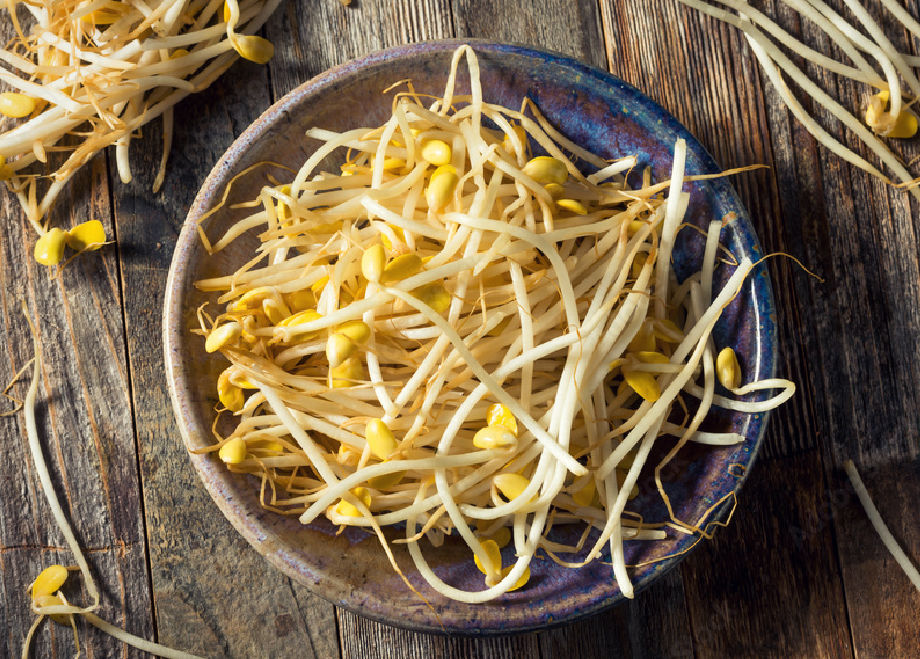
Are Soy Sprouts The Better Option?
There is so much controversy surrounding soy that it can be quite difficult to decide whether it is still safe to consume or not. On one end, the health benefits of soy have already been established by health and educational institutions.
According to the UC Davis Center for Health and Nutrition Research, soy contains minerals, vitamins, flavonoids, and fiber. And these can help reduce the risk of stroke, heart disease, and some cancers.
On the other hand, many health experts and institutions are slowly trying to break the long-held perception that soy is generally healthy by revealing its health risks.
In fact, soybeans naturally contain trypsin inhibitors, goitrogens, saponins, and phytoestrogens. These are antinutrients that can cause adverse effects on the body.
A while ago I wrote an article about why you should start consuming sprouts (and how to grow your own) as a part of a healthy, well-balanced plant-based diet.
However, after receiving several questions about soy sprouts, I want to clear a few things up about soy and soy sprouts. Apparently, many people do realize soy is an unhealthy addition to the diet but think sprouted soy is just fine.
So here’s why you should avoid (un)fermented soy and soy sprouts at all costs.
Why soy sprouts are not as healthy as we think they are
According to an article published in the Journal Food Science Technology, sprouting soybeans triggers a sequence of metabolic changes. This improves the nutritional quality of sprouted legumes and decreases the antinutritional factors such as trypsin inhibitors, hemagglutinin, and lipoxygenase.
Furthermore, these scientists also discovered that sprouting soybeans not only decrease antinutrient effects but also reduces fat levels while increasing protein content.
Soybean sprouts are rich in riboflavin, isoflavones, niacin, amino acids, crude protein, lipids, zinc, sodium, potassium, copper, magnesium, phosphorus, iron, manganese, and magnesium.
However, let’s not forget all the health risks of soy we discussed earlier. Even though sprouting reduces antinutrients, soy still interferes with B12 absorption, contains aluminum, and is often treated with toxic herbicides.
A high intake of soy sprouts could mess up leptin sensitivity and provoke hunger pangs. It may also cause insulin resistance and is associated with infertility, breast cancer, and hormone imbalances.
Furthermore, soy sprouts, which are typically eaten raw, have been linked to more than 30 kinds of food-borne health problems in the past years.
So for every health-conscious individual, like myself, where do we take our stand?
The answer: Soy should be taken in moderation and in its fermented, non-GMO form. Although it has some amazing benefits for health, they don’t outweigh the risks associated with it. Moreover, there are so many other plant-based foods out there that will provide you with the protein your body needs.
The unfermented form of soy, which is what Americans tend to eat (e.g. tofu and sprouted soy), are the dangerous types of soy. Fermented soy, such as miso, natto, tempeh, and naturally fermented soy sauce or tamari, are safer. Some of the antinutrients have already been eliminated during fermentation.
Many soy product manufacturers use the relatively long life of Asians as a convincing factor that soy is healthy. The truth is, even if you ask any Asian, they do not consume significant amounts of soy every day. As a matter of fact, their soy consumption is usually limited to about 1-2 tablespoons of fermented soy sauce to flavor their dishes. Furthermore, they also might have small quantities of miso, natto, or tempeh mixed in soup dishes, again for the flavor.
Nevertheless, sprouted soy is also sometimes used only as part of a side dish or a garnish, but not consumed in large proportions.
Westernized soy products are quite different from those consumed in the traditional Asian diet. Most Asian soy products use whole soybeans with or without fermentation. Soy products or second-generation soy foods in the US are mostly based on soy protein at different levels of processing.
Overall, sprouted soy health risks are just too significant to ignore. Hence, it is better to stick to taking it in small portions or avoid it altogether.
Take-Home Message
Although soy can be incredibly healthful, we should pay more attention to it and stop believing the billion-dollar sponsored campaigns.
It is only safe in its organic, GMO-free, and properly fermented state… and in moderation. Only through proper fermentation, the toxic compounds are reduced.
Tempeh, miso, natto, and traditional made soy sauce are OK. Tofu, soymilk, soy cheese, soy meat, edamame, soy sprouts, and soy infant formula is not fermented and should be avoided.
Personally, I don’t eat soy or soy-based products anymore. Oh wait, that’s not entirely true! When cooking Asian-inspired dishes, I sometimes add tamari (soy sauce). But that’s it. The ‘almost-getting-breast-cancer’ scared the hell out of me.
What do you think about soy? Risky business or not? Feel free to share your thoughts or experiences with soy in the comment box below.

Amy Goodrich is a certified holistic nutritional therapist and former plant biologist. Her mission: inspiring people to adopt a more natural lifestyle to prevent/cure illness. Through her blog, Amy shares her own experiences with managing her husband's autoimmune disease through the power of whole foods. EatLove.Live covers strategies for doing so, with posts about how to gradually change your lifestyle. Amy is obsessed with cats, travel, and delicious plant-based foods that nourish and heal the body from the inside out.