
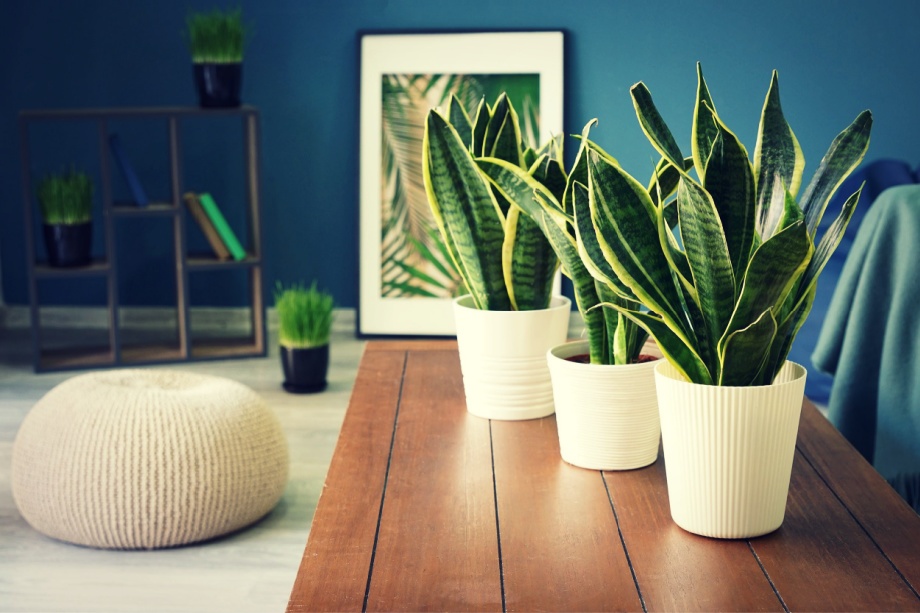
Plants add a gorgeous touch of greenery to your house, making it a beautiful and cozy environment to spend time with your loved ones. But what’s even better, they purify the indoor air.
Some plants not only turn CO2 into oxygen, but they also absorb common harmful household toxins out of the indoor air. These common household toxins include benzene, formaldehyde, or trichloroethylene.
In 1989, NASA published a list of their top air-purifying plants. The first list was compiled as part of a clean air study. The study aimed to research ways to clean air in space stations. NASA researchers recommend to have at least one potted plant every 100 ft2 (or 10 m2), but the more you have the better your indoor air quality will get.
Unfortunately, many of the plants that made it to their list are toxic to our furry friends. If you are a cat owner you most likely have noticed that your furry friend loves to play and nibble on plants. Since we are all responsible and loving pet owners you want to be sure you’re only keeping pet-friendly indoor house plants in your home.
Surprisingly, over 55 percent of pet owners unknowingly have highly poisonous plants in their homes. That’s why I decided to do some research and make my very own list of safe houseplants that will keep the air clean without putting your cat in harm’s way.
Here are a few pics of our little cutie. Meet Ryuk!
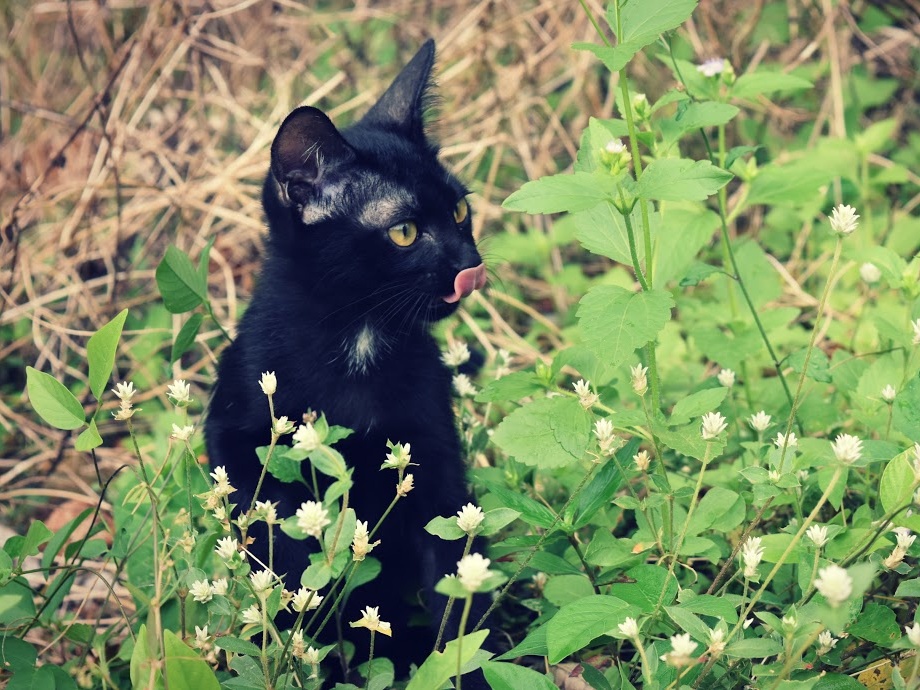
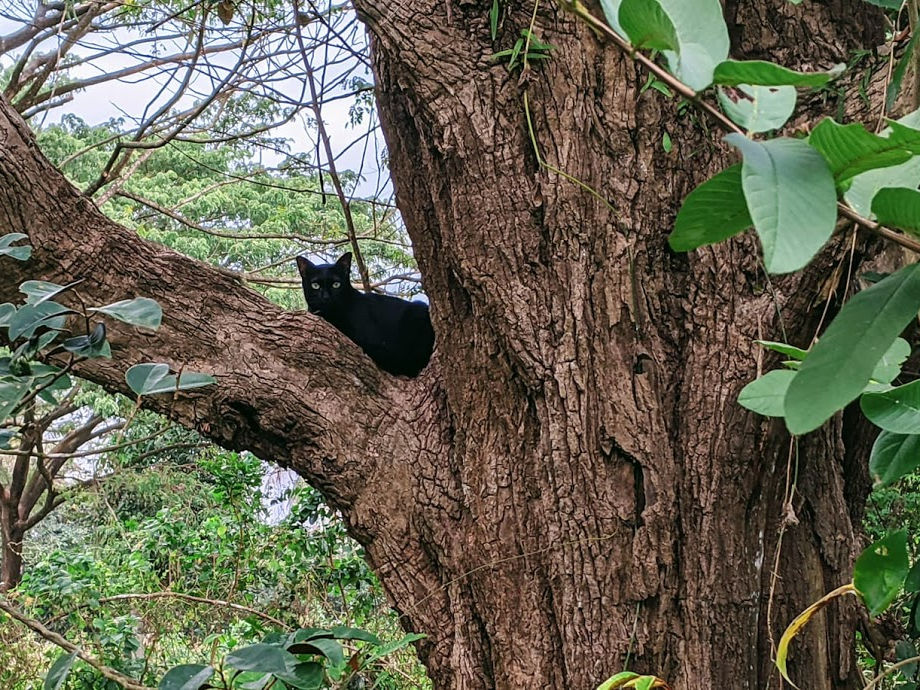

13 Air Purifying House Plants That Won’t Kill Your Cats
1. Bamboo Palm – Chamaedorea elegans
Bamboo palm is a beautiful plant that can grow between 3 to 6 feet (0.9 to 1.8 meters). Most palms are safe for cats and they are excellent in removing formaldehyde from the indoor air.
Formaldehyde is a volatile organic compound (VOC) often used in building materials, flooring, furniture, and fabric. At room temperature, it becomes a gas. In a process called “off-gassing”, your piece of furniture or cabinet may begin to emit toxic formaldehyde gas.
Knowing this, the best places to put bamboo palms to maximize their effect are next to chairs, end tables, or couches. Not only will bamboo aid you to remove formaldehyde, but it is also a great natural humidifier, and benzene and carbon monoxide purifier. So if you got a smoker in your home, this plant is an absolute must.
Bamboo care: bamboo likes bright, indirect light and moist soil. Although moist soil is a must it doesn’t like to sit in water. So make sure to not overwater your bamboo.

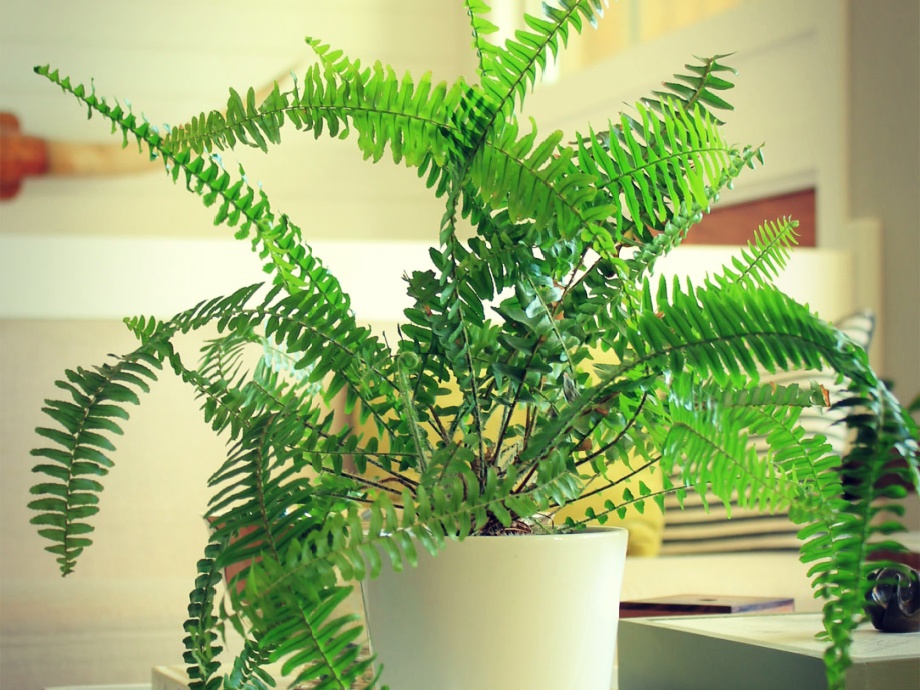
2. Boston Fern – Nephrolepis exalta bostoniensis
Great humidifier and formaldehyde, toluene, and xylene capturing plant. They can grow really big, so only one Boston fern can have a great impact on your home.
If you don’t want to add too many plants to your home, you should take one of these to cover some ground.
Toluene and xylene are commonly found in fingernail polish, glues and adhesives, lacquers, octane booster in gasoline, paints and paint thinners, printing and leather tanning processes, rubber and plastic cements.
Just as formaldehyde, benzene, toluene, and xylene are common harmful VOCs found in our home.
Boston ferns are the safest plant for your cats and are actually 100% edible.
Boston fern care: the plant loves moist soil but can tolerate drought for a while. It doesn’t need bright light and grows well in partially lighted rooms.

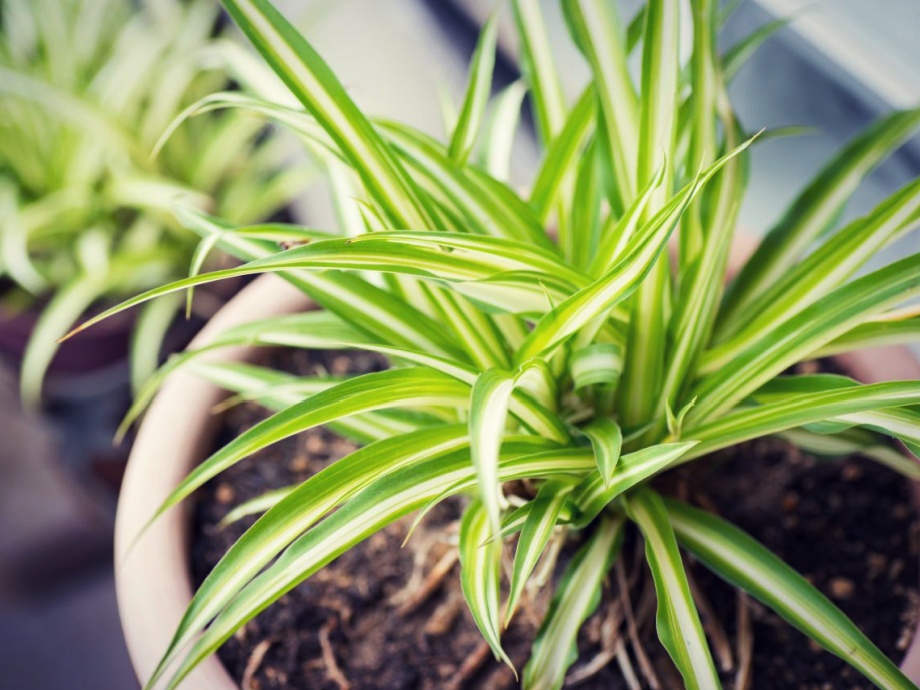
3. Spider Plant – Anthericum comosum
Another great plant to rid your home of formaldehyde, xylene, benzene, and carbon monoxide.
Benzene is a carcinogenic substance that is present in a great number of products including paint, lacquer, varnish removers, glues, furniture wax, detergents, thinners, inks, adhesives and coatings, rubbers, cleaning and degreasing formulations
Spider plants produce runners with baby plants that can easily be transplanted. Although this plant is safe for cats, some, actually most cats, really love to nibble on the long, skinny leaves and indigestion of it may trigger mild nausea.
Spider plant care: spider plants don’t need much attention. Just put them in a bright spot away from direct sunlight. They can easily go without water and will let you know when they are thirsty. The green of the longleaf will fade when it needs water.
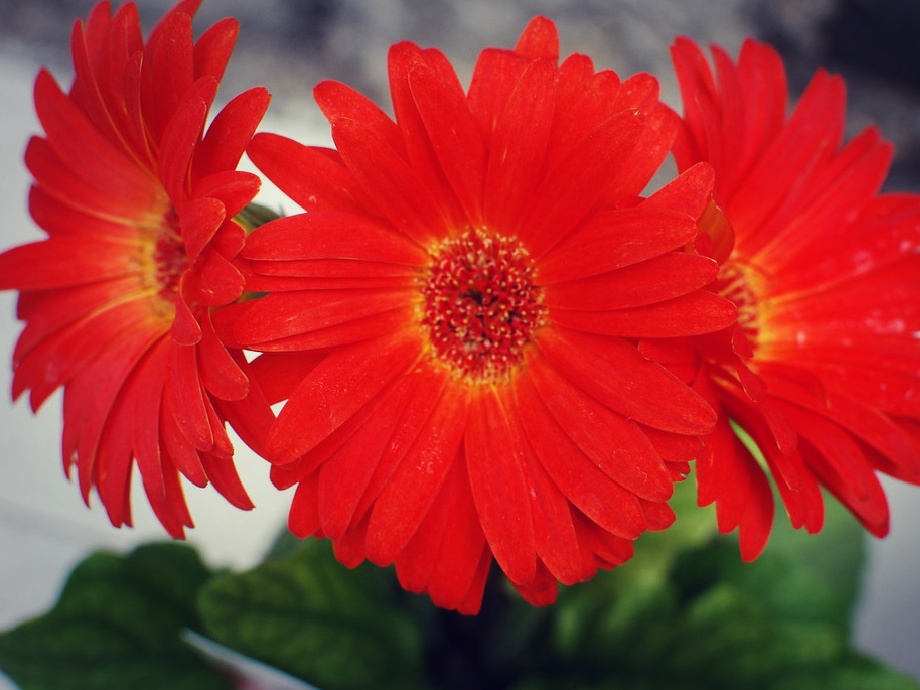
4. Gerbera Daisy – Gerbera jamesonii
Gerbera daisies are not only beautiful, but they are also among the best plants to improve indoor air quality. They are great in removing toxins such as formaldehyde and benzene from tainted indoor air.
These vibrant-looking flowers come in red, peach, yellow, orange, pink, and purple shades. They are popular as a cut flower, but you can also easily grow them indoors. I have never been a huge fan of cut flowers, I prefer potted plants that will give you joy all year round and not just wilt and die after a few days.
Gerbera daisy care: gerbera daisy plants like some direct sunlight. Although they require bright sun to bloom, depending on where you live, a spot on a windowsill may be too hot, ending up scorching the leaves. So pick a windowsill or place in your house that either gets bright light in the morning and shade in the afternoon or a place that has moderate sunlight all day.
They like temperatures between 55-75°F/13-24°C. So definitely not your option if you live in a tropical climate. When the topsoil feels dry, water the plant deeply but keep the leaves dry. When watering, let the pot drain completely before returning the plant to its usual spot.
10-day whole food reset plan: A SIMPLE CLEANSE OF BODY AND MIND
A healthy body reset to lose weight, eliminate toxins, and kick-start your new way of life. No cranky starving process on a dash of lemon juice and a single bean, but a 10-day transformation to rev your weight loss engine and live a healthier life.
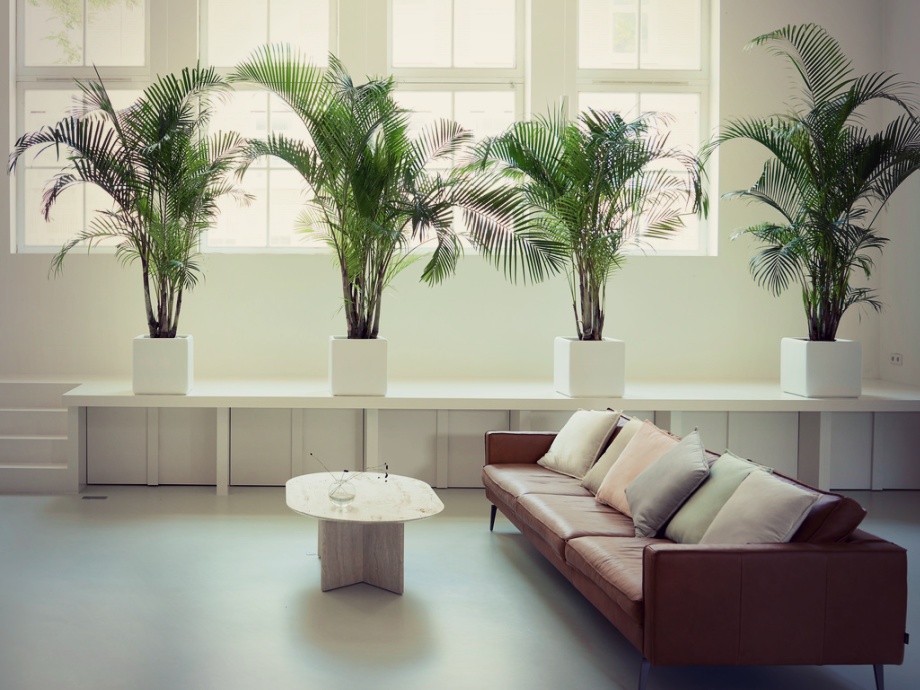
5. Areca Palm – Dypsis lutescens
A beautiful, tall houseplant – seen in many offices and homes – is non-toxic to pets and low in maintenance. Though this plant is known to eliminate xylene, toluene, it is particularly good in clearing the indoor air of formaldehyde.
Areca palm care: indoors these plants do best with bright light like from a south- or west-facing window. Though they may benefit from some direct sunlight, do not give it too much as the leaves will turn yellowish-green.
Though this plant needs little care, like any plant areca plants won’t tolerate total neglect. Keep the soil lightly moist in spring and summer while allowing the soil to slightly dry out between waterings during the colder months.
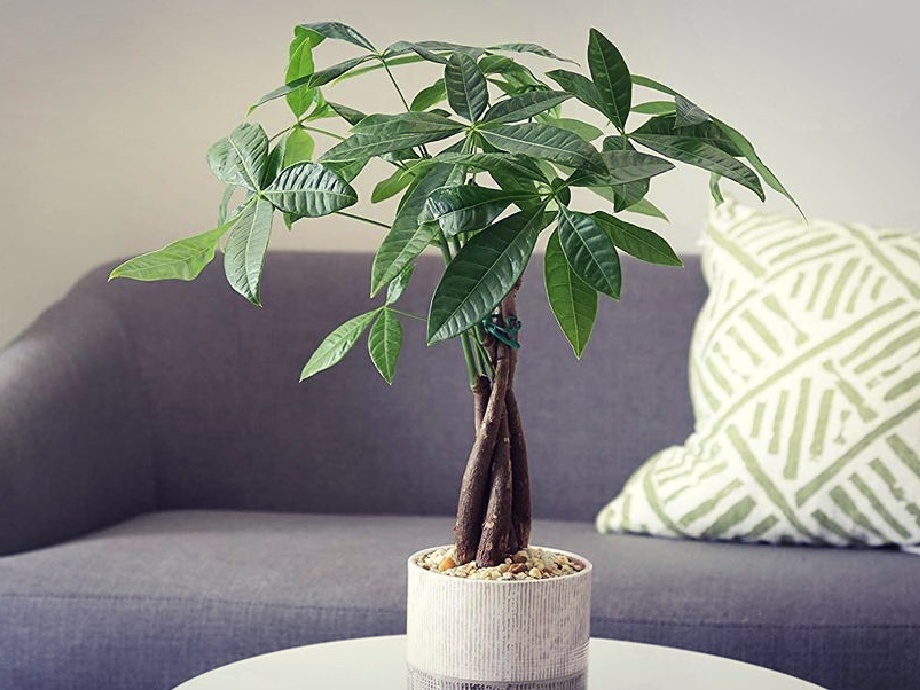
6. Money tree aka Guiana Chestnut – Pachira aquatica
Some believe this plant brings good luck and fortune. If it doesn’t it will brighten up your home and help in removing harmful indoor air pollutants such as benzene, formaldehyde, and trichloroethylene.
Trichloroethylene can be found in some household products, including wood finishes, cleaning wipes, aerosol cleaning products, tool cleaners, paint removers, spray adhesives, carpet cleaners, and spot removers
Money tree care: Indoors, a money tree thrives in warm room temperature, indirect sunlight, and humid air. When watering, turn it to promote even growth and leaf development. This plant prefers deep (water should run from the drainage holes), infrequent watering.
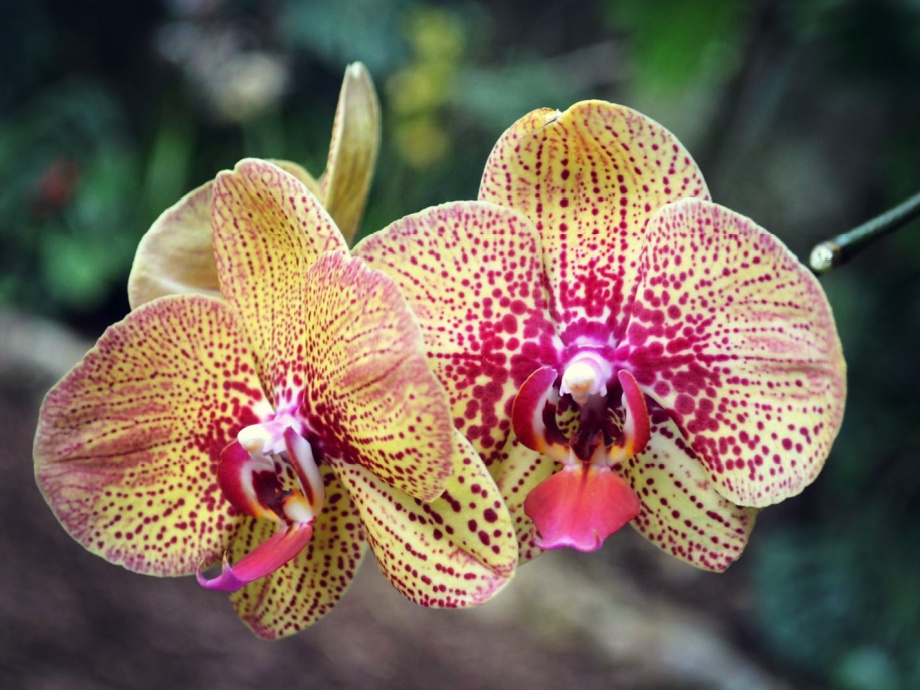
7. Moth Orchid – Phalaenopsis sp.
Moth Orchid is a fragrant plant with beautiful flowers that will brighten up your home. Next to absorbing xylene and toluene from the indoor air, it easily adapts to indoor conditions and is safe for your cats.
A mature moth orchid will bloom pretty much the whole year if you take good care of it and give it enough light. Their flowers range from pure whites to unusual spotted harlequins.
Moth orchid care: Water regularly (every 7 to 10 days) throughout the growing season. Reduce watering slightly during the colder winter months. Make sure to keep the leaves dry while watering and make sure the roots do not dry out completely. However, don’t let the roots sit in water either. Moth orchids love to grow and flower on a moderately bright windowsill.
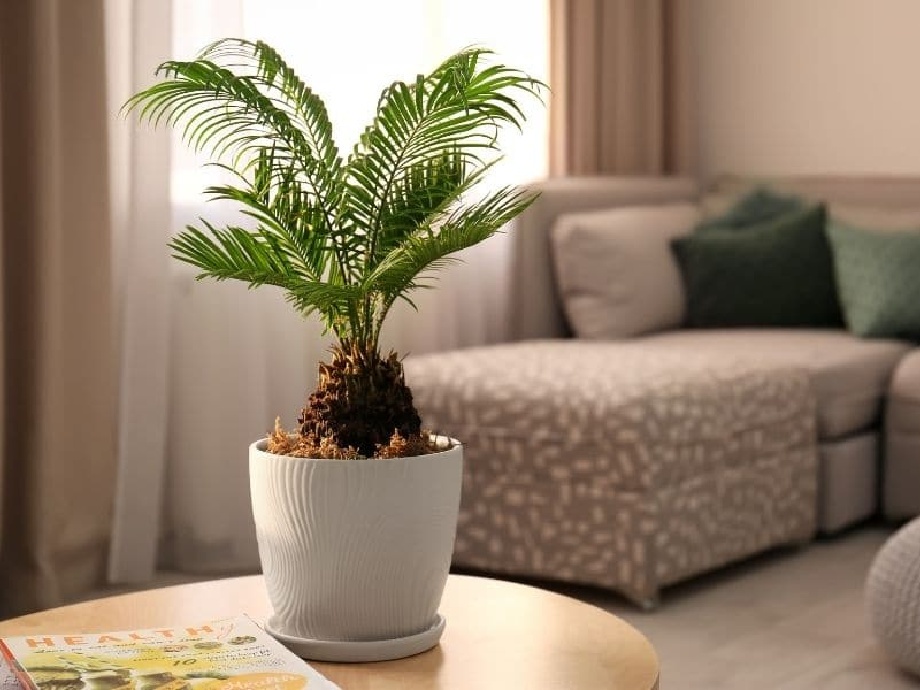
8. Miniature Dwarf Date Palm aka Pygmy Date Palm – Phoenix robellinii
Another great plant to clean indoor air of formaldehyde and toluene. Furthermore, this plant is non-toxic to your cat too. Win-win-win!
Dwarf date palm care: indoors this plant does well in bright indirect light (near an east or south-facing window). However, if other plants are already taking up these spaces in your house, date palms can survive in medium-filtered light too.
In lower light conditions make sure to not overwater. Keep the soil moist but not soggy. In the winter months allow the soil to dry out between waterings.
9. Australian Sword Fern aka Kimberly Fern – Nephrolepis obliterata
These do very well in hanging baskets. They are well known to eliminate formaldehyde, xylene, and toluene from the indoor air. While keeping your lungs healthy, they are also safe for cats.
Australian sword fern care: bright indirect light is what this fern likes. Keep the soil moist by regularly watering it with lukewarm water. In the winter you can let the soil dry out a little between waterings.
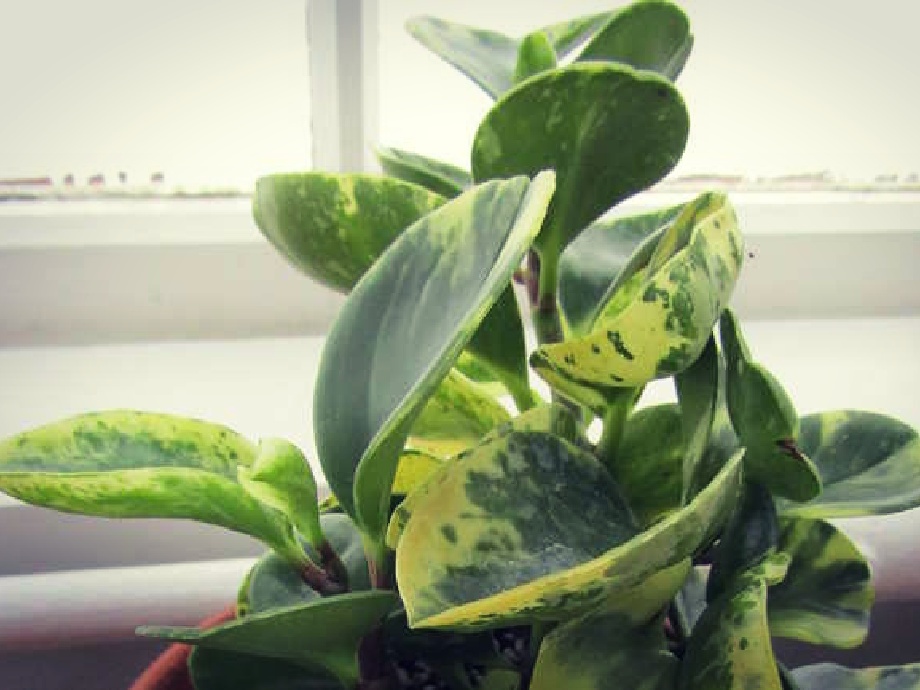
10. American Rubber Plant – Peperomia obtusifolia
This beautiful plant is available in a wide range of variegations and leaf shapes and sizes. It is an easy-to-care-for houseplant. Rubber plants are low in maintenance and will even keep growing when you neglect them for a while. Ideal for the forgetful plant owner!
They make indoor air VOC-free. Next to removing volatile compounds from your home, it also removes CO and CO2 from its surroundings.
Rubber plant care: Though it likes bright indirect sunlight, it can adapt to low light conditions and shady spots. It loves slightly moist soil and little to no fertilization.
CAUTION: American rubber plants should not be confused with the Indian rubber plants (Ficus sp.) and Jade plant (Crassula argentea) as they are toxic to cats!
11. Dendrobium Orchid – Dendrobium spp
Being safe for cats and dogs, this beautiful plant will bring some color and beauty to your living room. And not only will they elevate your mood with their beauty, but they also remove xylene and toluene from the air making their surroundings a better place for you and your pets
Dendrobium Orchid care: this plant likes a bright, warm windowsill (65-85 °F/18-30°C). It needs lots of light, but not direct sun (except direct sun at the beginning or end of the day). A lightly shaded south windowsill is best.
Plant in orchid potting mix and water when the topsoil is dry. Fertilize lightly every one to two weeks and prune after flowering. Once every month use clear water to flush accumulated salts from the potting mix.

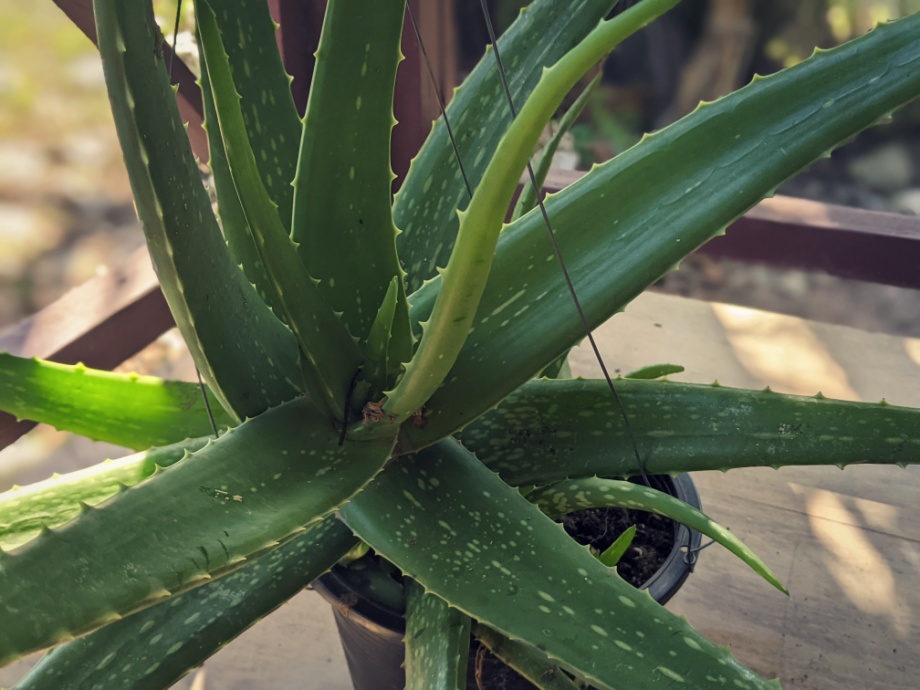
11. True Aloe Vera – Aloe barbadensis
Aloe vera is one of my favorite plants. They look great, purify the air of chemicals from paint and cleaning products. The gel can be used to relieve burns, cuts, rashes, insect bites, etc.
However, you may have read or heard rumors circulating the internet that you shouldn’t have aloe plants when having cats. The truth is, while aloe contains saponins that can wreak havoc on your cat’s delicate digestive system, it isn’t going to kill them. Their bodies will go into detox mode and they may throw up and have an upset stomach or diarrhea but it won’t kill your furry friend.
After an upset tummy, most cats will learn their lesson and stay away from them in the future. Furthermore, there aren’t many cats who get tempted to try those thick succulent leaves out for a quick nibble.
My cat nibbles at almost everything, but the aloe leaves just don’t get her attention. But if your cat keeps being attracted towards this plant or munches on the leaves it is best to get them out of your house to avoid regular green goo on your carpet and your cat being nauseous all the time.
Aloe care: they are low in maintenance and love a sunny spot near the window sill. They need well-drained soil with slight drying between watering.
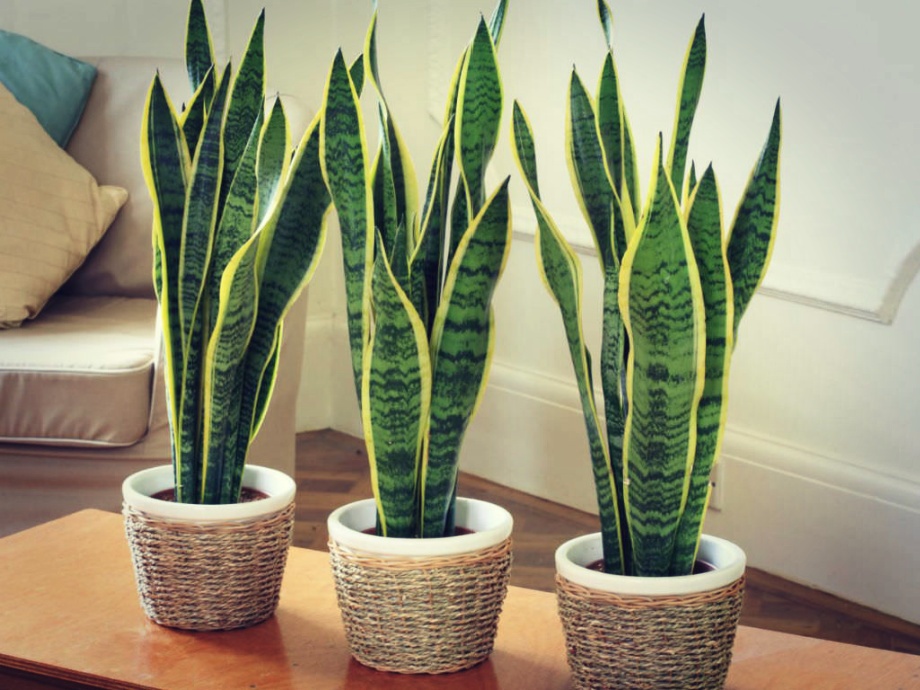
11. Snake Plant aka ‘Mother-In-Law’s Tongue’ – Sansevieria trifasciata
A common sight in many homes and non-lethal for cats. Although some sources claim it otherwise. Same story as with the aloe plant. Saponins may upset your feline’s tummy but won’t kill it.
But again most cats won’t even try to munch on its leaves. But if you have one of those cats who won’t learn their lesson it is better to remove them from your home.
It does a great job in filtering the air of common toxins found in toilet paper, tissues, and other toiletries. It can grow in low-light rooms, making it perfect for your bathroom or bedroom.
Snake plant care: can grow nearly everywhere and needs little light, attention, and watering.
Click here the ASPCA Animal Poison Control Center’s full list of plants that are either toxic or non-toxic for cats.
FYI: How To Prevent Your Cat From Chewing On Plants
- Mist the leaves with water, then sprinkle cayenne pepper on them.
- Plant a container of grass for your cat, so they have their own thing to munch on. Cats often eat grass to induce vomiting to get rid of their hairballs.
- If your cats love digging in pots, place a piece of tin foil in the pot. Cats hate the look and feel of it or opt for a piece of plastic needlepoint canvas which can be found at your local hobby/craft store.
If you think your cat has been poisoned with any substance, call the ASPCA Animal Poison Control Center (888-426-4435), which is available 24/7 from anywhere in the US, but note there is a fee. Phones are manned by licensed veterinarians and toxicologists. Or not in the US, call your vet and he or she will tell you what to do or who to call.
Do you have any pet-safe plants growing at your home that are not on this list? Let us know in the comment below!

Amy Goodrich is a certified holistic nutritional therapist and former plant biologist. Her mission: inspiring people to adopt a more natural lifestyle to prevent/cure illness. Through her blog, Amy shares her own experiences with managing her husband's autoimmune disease through the power of whole foods. EatLove.Live covers strategies for doing so, with posts about how to gradually change your lifestyle. Amy is obsessed with cats, travel, and delicious plant-based foods that nourish and heal the body from the inside out.