
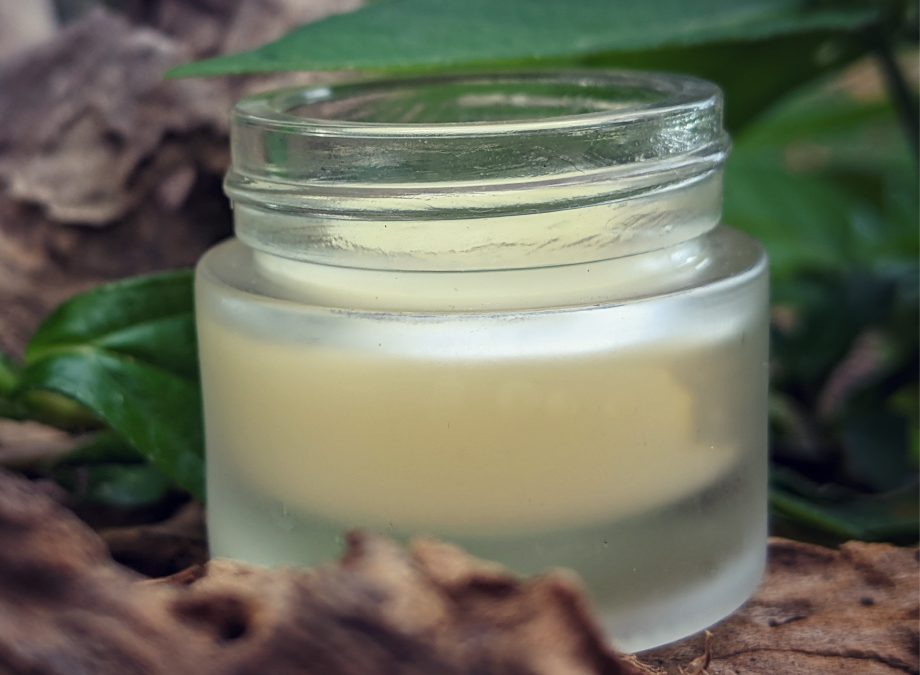
Tiger balm has been a staple of Asian medicine cabinets for generations. Today, however, tiger balm has many fans around the world.
Since we moved to Asia in 2014, we always have a small jar of tiger balm at hand to soothe our itches and pains. It works wonders on itchy insect bites, headaches, and muscles aches.
Though many of us have been using this analgesic ointment for years, not many know where this world-famous brand is coming from.
How Tiger Balm Took The World By Storm – A Brief History
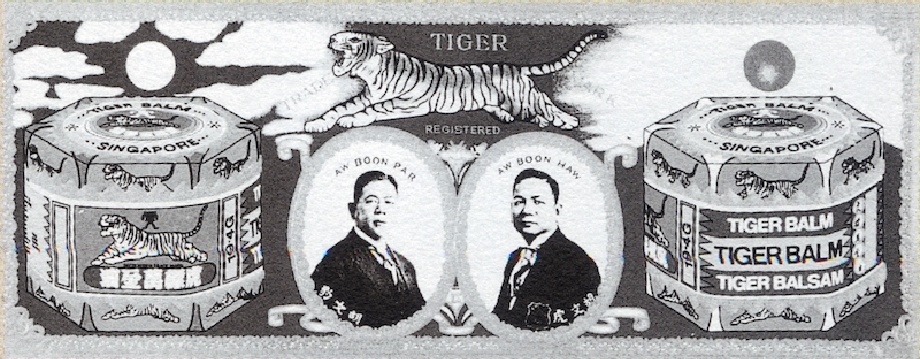
This worldwide brand has its humble beginnings with 2 brothers, Aw Boon Haw and Aw Boon Par. Though many believe it all started in Singapore – at some point in Tiger Balm’s history the Aw brothers had problems with the British government and had to migrate to Singapore – originally tiger balm was first launched in Yangon (formerly known as Rangoon), Myanmar (formerly known as Burma), during the 1910s.
The Aw brothers were the sons of a herbalist named Aw Chu Kin, a native of the Fujian Province of China. Though the eldest son inherited the family’s herbal medicine business, he passed away at 18 years old. That’s how his 2 younger siblings – Aw Boon Haw and Aw Boon Par – became the owners of the traditional herbal medicine business.
From a Chinese herbalist, Aw Boon Par learned a recipe that was to become THE Tiger Balm recipe after a few tweaks. Originally the ingredients were camphor, menthol, clove oil, and several other oils.
Tiger balm was born and officially launched in Myanmar in the late 1910s and early 1920s. Though they had a rough start, selling the balm from a roadside stall, the ointment became so popular that it was later exported to China, Japan, and Southeast Asia. From where it took over the world.
Tiger balm was first named “Ban Kin Yu,” meaning “Ten Thousand Golden Oil” in the Hokkien dialect. Later it was renamed “Tiger Balm” as Aw Boon Haw was born in the year of the tiger.
Why I Decided to Make My Own
As mentioned earlier, here in Asia, everybody has a little jar of Tiger Balm (or a similar product) in their medicinal cabinet. It is that popular that most people have a jar on them at all times.
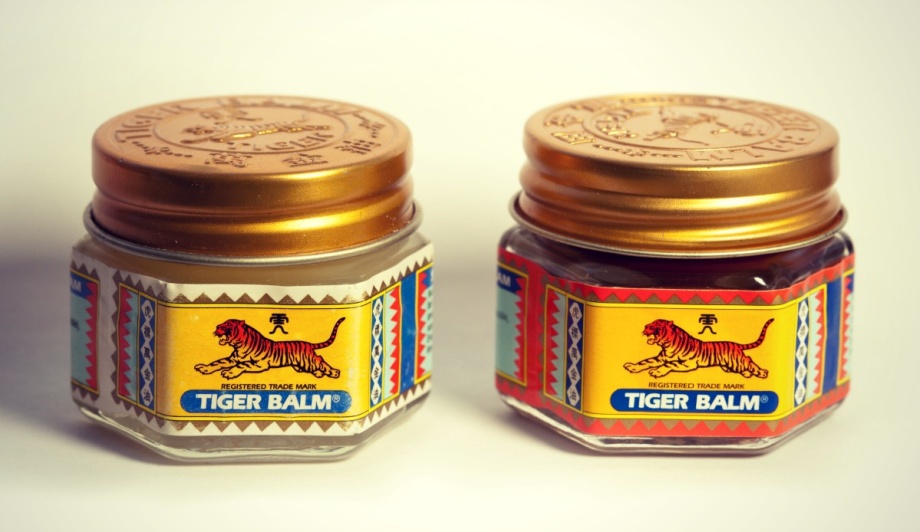
I am no exception. I always have a little jar of white tiger balm in my purse to mainly soothe itchy insect bites or headaches and a red one at home to soothe muscle and joint aches and pains.
A few days ago, when I was practicing yoga, I did something wrong. I don’t know what but I stepped off my yoga mat with an aching shoulder. While I was reaching for my tiger balm an idea came to my mind. Why not make my own salve for muscle aches.
I’ve been making all my lotions, soaps, and other cosmetics for a while, so why not replace my good old store-bought tiger balm with a homemade version? Why did I never thought of this before?
Especially after giving its ingredients a closer look, I was more than determined to make my own. I always thought tiger balm was an ancient all-natural herbal remedy. Over the years, however, and the balm becoming so popular and mass-produced ingredients such as petroleum jelly – something I rather don’t put on my skin – have entered the traditional recipe.
The basic components of tiger balm are menthol, camphor, peppermint oil, cajuput oil, clove bud oil, petroleum jelly, and paraffin. Add Cassia oil to the mix and you have the red or hot tiger balm.
I swapped the last 2 components (petroleum jelly and paraffin) with beeswax and sweet almond oil for my all-natural DIY version.
10-day whole food reset plan: A SIMPLE CLEANSE OF BODY AND MIND
A healthy body reset to lose weight, eliminate toxins, and kick-start your new way of life. No cranky starving process on a dash of lemon juice and a single bean, but a 10-day transformation to rev your weight loss engine and live a healthier life.
Red vs White Tiger Balm
Though many variations exist, the tiger balm brand is world-famous. I have tried a few different ones since living in Asia and they are not quite the same. That’s why I based my homemade tiger balm recipe on the original one.
Tiger balm’s main ingredients include camphor, menthol, clove oil, and cajuput oil. It thanks its signature cooling and warming sensation to those four compounds. It thanks its warming effect to the presence of camphor and clove while menthol and cajeput create a feeling of coolness.
White tiger balm is milder and can be used on the nose and lips, to aid breathing. Red tiger balm is slightly stronger and is great for aches and pains.
Both versions of tiger balm, have four active ingredients in common: camphor, menthol, clove, and cajeput
Camphor: Camphor is a terpene that is commonly used in creams, ointments, and lotions to relieve pain, irritation, and itching. Camphor oil is the oil extracted from the camphor tree (Cinnamomum camphora). In Chinese medicine, this tree is a symbol of life and longevity. The essential oil from its leaves and young branches has disinfectant, immunostimulant, and adaptogenic (=a natural substance considered to help the body adapt to stress) properties.
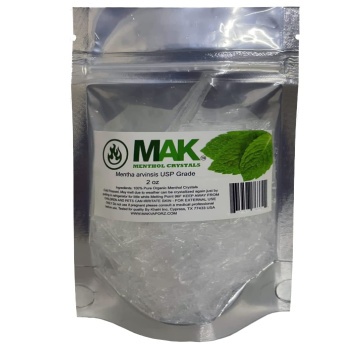
Menthol: is derived from peppermint. It is well-known for its refreshing and cooling effect. It works as a decongestant and has antibacterial, anti-inflammatory, and antioxidant properties.
Clove: clove bud essential oil is derived from the clove tree (Syzygium aromaticum). Clove oil is produced by distilling the dried flower buds that are collected from the clove tree. This oil may have benefits for skin healing, itching, pain relief (such as muscle pain), and treating infections. It is also known to relieve respiratory conditions like cough and asthma
Cajeput: Cajuput oil is a volatile oil obtained by distillation from the leaves and branches of the cajeput trees, a subtype of myrtaceous trees. These include Melaleuca leucadendra and Melaleuca cajuputi. Cajeput oil is used for colds and congestion, headaches, toothache, skin infections, and pain.
Red Tiger Balm
Red tiger balm contains 11 percent camphor, 10 percent menthol, 5 percent clove oil, and 7 percent cajuput oil.
Next to these main active ingredients, red tiger balm also contains 5 percent cassia or cinnamon oil, giving it its typical red color. The color and strength of the red variation mainly come from the cinnamon and the larger percent of clove oil.
Cassia or cinnamon: Cassia cinnamon comes from the Cinnamomum cassia tree, also called Cinnamomum aromaticum. It originated in Southern China and is also known as Chinese cinnamon. It is known for its analeptic (= tending to restore a person’s health or strength; restorative) and purifying properties. It also works antibacterial, antiviral, and antiparasite.
Camphor and clove create a feeling of warmth, followed by a cold sensation coming from the menthol and cajuput. These conflicting stimulations will lead to numbness which will help alleviate your symptoms such as joint and muscle pains.
White Tiger Balm
White tiger balm contains 11 percent camphor, 8 percent menthol, 1.5 percent clove oil, and 13 percent cajuput oil.
Next to these main active ingredients, white tiger balm also contains 13 to 15 percent eucalyptus oil instead of cassia oil, making it an ideal vapo rub to treat respiratory issues.
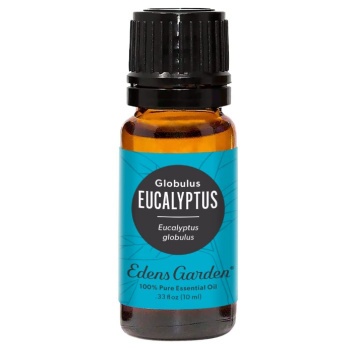
Eucalyptus: eucalyptus oil is extracted from the gigantic Australian eucalyptus tree. However, Eucalyptus is a genus of over seven hundred species of flowering trees, shrubs, or mallees in the myrtle family, Myrtaceae. Eucalyptus essential oil is particularly effective against coughs and flu. Although in herbal medicine it is used to treat a variety of common diseases and conditions including nasal congestion, asthma, arthritis, and skin conditions. It also works as a tick and mosquito repellant.

Homemade Tiger Balm Basic Recipe
Tiger balm can help you to reduce and soothe muscle, neck, and joint pain. It helps with headaches, arthritis, rheumatism, and respiratory issues as well.
Tiger balm has rubefacient and analgesic properties when applied to the skin. The active ingredients dilate blood vessels which increase blood circulation and produce warmth. This speeds up the healing process and reduces the sensation of pain.
Though the red balm is slightly better in treating aches and pains, for me it’s sometimes too strong so I made white tiger balm.
Unlike the red tiger balm, white tiger balm can be used for everything. The eucalyptus essential oil in this recipe works as an excellent homemade “Vapo-rub” when struggling with respiratory problems and it repels insets too.
Homemade Tiger Balm Recipe
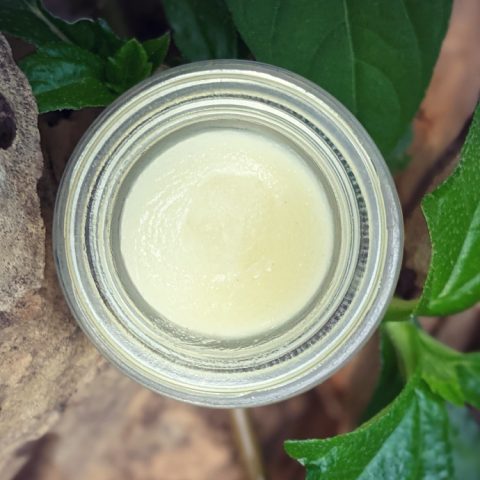
Next time you have an itchy insect bite, a headache, or tired/sore muscles use this homemade all-natural homemade tiger balm recipe instead of the storebought one containing petroleum jelly.
Ingredients
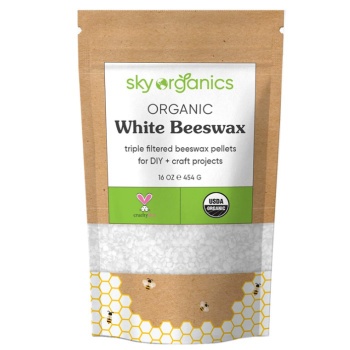
- 1 g beeswax
- 28 g sweet almond oil (coconut oil works too)
- 1½ tsp menthol crystals
- 1½ tsp camphor essential oil
- 1 tsp mint essential oil
- 1 tsp cajuput essential oil
- ¼ tsp clove essential oil
- 1½ tsp eucalyptus essential oil
Instructions
- Melt the beeswax and almond oil (or coconut oil) in a double boiler on low heat. Stir the mixture until liquefied and well combined.
- Allow to cool slightly before adding the menthol crystals and essential oils. Stir well.
- Pour the mixture immediately into a clean and sterile container or jar and close the lid to avoid evaporation of the essential oils.
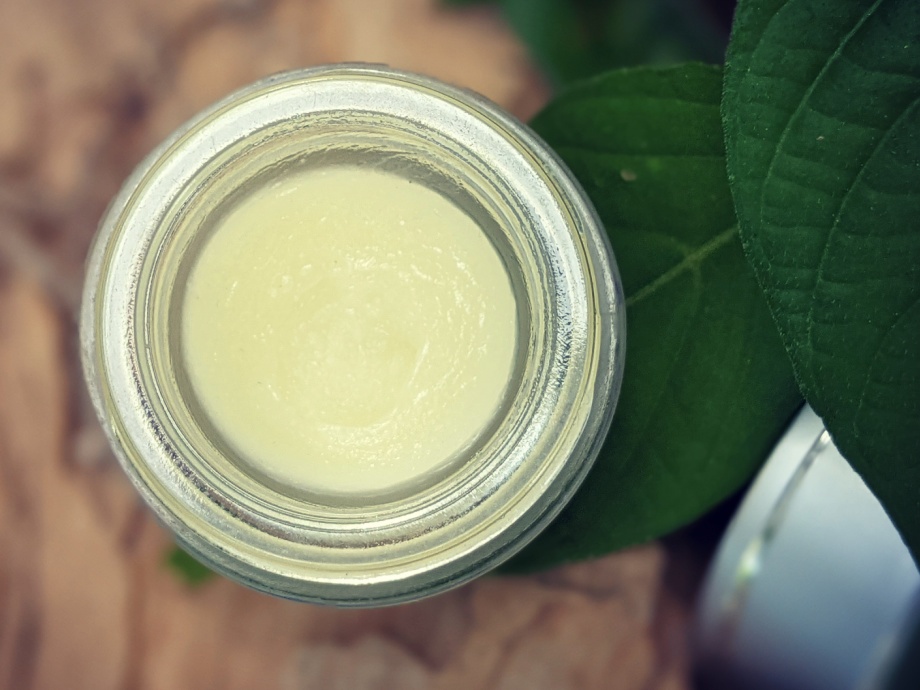
- Let the tiger balm cool and thicken until a salve-like consistency before applying.
- Apply to the affected areas 3 to 4 times a day.
Notes
- To make hot or red tiger balm: substitute the eucalyptus essential oil for ½ tsp. cassia essential oil and add ½ to ¾ tsp clove essential ll instead of ¼ tsp.
- Tiger balm is very strong and powerful, so if you want a milder blend, add more almond oil and beeswax and tweak it to your needs.
- Tiger balm is for external use only and should not be used on infants under 2 years of age. And watch out for your eyes, always wash your hands after applying.
Recommended Products
As always, your feedback, experiences, and questions are much appreciated, so please share them with us in the comment box below!

Amy Goodrich is a certified holistic nutritional therapist and former plant biologist. Her mission: inspiring people to adopt a more natural lifestyle to prevent/cure illness. Through her blog, Amy shares her own experiences with managing her husband's autoimmune disease through the power of whole foods. EatLove.Live covers strategies for doing so, with posts about how to gradually change your lifestyle. Amy is obsessed with cats, travel, and delicious plant-based foods that nourish and heal the body from the inside out.