
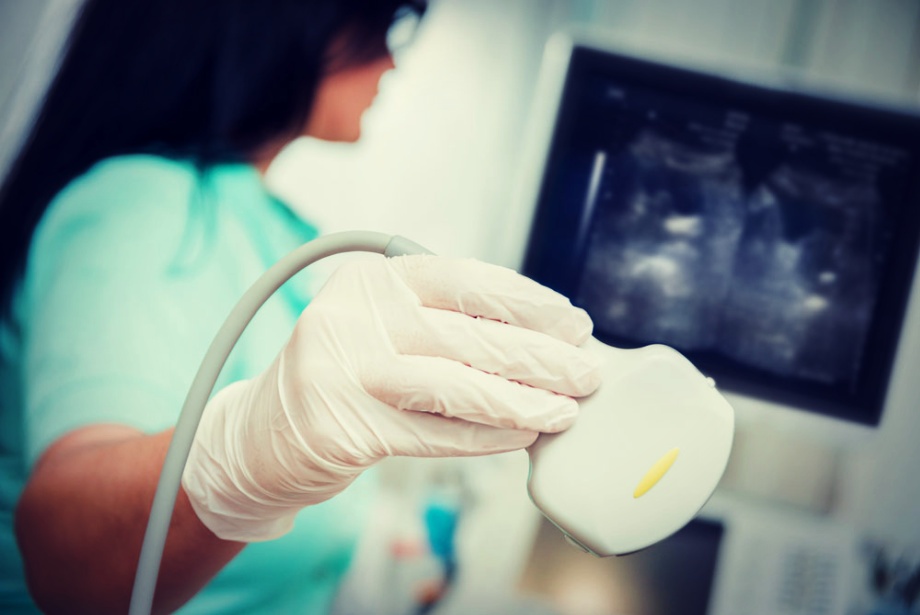
Finding a lump in your breast can be very scary, but not all of them are life-threatening cancerous tumors. On contrary, chances are that when you feel a lump all will be OK. So don’t panic!
Having gone through this myself, I know it is easier said than done to stay calm in this situation. But know that 80 to 85 percent of all breast lumps are benign, meaning they are noncancerous. Especially in women younger than age 40.
Though there are other benign breast lumps and bumps, today we will take a closer look at fibroadenomas. For more info about other breast lumps and bumps, download my FREE EBOOK HERE!
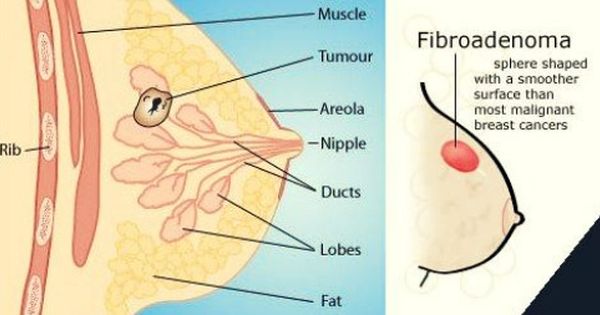
Fibroadenomas (FAs) are benign, non-cancerous marble-sized tumors or cysts found on the upper side of the breast. They are commonly found in fertile women under the age of 30. Although it is still unclear why these tumors form, researchers concluded that there is a strong connection between FAs and nutrition and estrogen dominance.
People who eat more fruits and vegetables are associated with a lower risk. (find the study here). Although some women report great results using homeopathic remedies or acupuncture, for most women, simple lifestyle and diet changes are the best way to go.
Though they might not help get rid of the FA completely, changing your lifestyle and diet may help reduce the size and prevent new FAs to form.
Here are a few guidelines on how to fight breast fibroadenomas naturally without surgery:
Though you can find more detailed info on how I dealt with my breast lump naturally in my free Ebook, below you’ll find a summary on what to do.
For me, it was as simple as eliminating all soy products from my diet and watching my coffee intake. I have never been a big meat eater and a few years ago I decided to commit to a plant-based diet, but reducing hormone and antibiotic-laced meats has helped many other women in their fight against breast lumps and bumps.
Eat no meat or drastically reduce meat intake – Try to make the switch to a plant-based lifestyle. Begin slowly by trying to leave out meat every other day and work your way up. If cutting out all animal products is one step too much for you then that’s fine too. However, make sure to not eat it at every meal or every day and always opt for organic meat which is chemical- and hormone-free.
No refined sugars.
Avoid estrogen-like compounds in your diet – These make it all worse. Meaning no soy or dairy products. Soy is not a health food! For years we have been misled by the industry that pumped millions if not billions into campaigns to make us believe soy is good for us. You can find more detailed info about phytoestrogens below.
Eliminate all dairy products – Next to soy, dairy products are believed to be one of the biggest culprits. Just as soy, a lot of money has been put into making us believe we need 2 glasses of milk every day to provide us with strong bones and teeth. Believe me, there are far better ways to make sure you get your much-needed calcium. And it should come as no surprise that these sources are all plant-based. Calcium-rich foods include beans, peas, lentils, certain nuts and seeds, leafy greens, and many more.
Drink fresh, organic vegetable juices or smoothies every day – Wheatgrass hasn’t the best taste but has shown some great results in reducing fibroadenomas. Other breast-friendly veggies you should add to your daily juices and smoothies are kale, spinach, dandelion leaves, celery, parsley, and cucumber.
Alkalize your body with fresh fruits and veggies – Opt for organic as much as possible to avoid toxins and other chemical substances.
Stress and lack of sleep negatively affect fibroadenoma – Try yoga to get some positive energy and get your stress levels under control.
Avoid fried or fatty foods and processed foods as much as possible – They contain harmful and tumor-promoting carcinogens.
Get off birth control pills – They are linked to a higher risk of fibroadenomas and breast cancer.
Eliminate or drastically reduce all caffeine from your diet – This means coffee, true teas (green, white, oolong, black tea), coca-cola, and chocolate.
10-day whole food reset plan: A SIMPLE CLEANSE OF BODY AND MIND
A healthy body reset to lose weight, eliminate toxins, and kick-start your new way of life. No cranky starving process on a dash of lemon juice and a single bean, but a 10-day transformation to rev your weight loss engine and live a healthier life.
Phytoestrogens Side Effects: Where Are These Fake Hormones Coming From?
Phytoestrogens are often called dietary estrogens because they’re not created by the human body. They can only be ingested or consumed. The molecular similarities of plant-derived estrogen and human estrogen allow them to mimic each other mildly, and sometimes they also act as antagonists (meaning they work in opposite ways).
Phytoestrogens have been a controversial topic of heated debate. With one side calling it a superfood, while others think it’s the food of doom. I have experienced its adverse effects first hand. But more about that in a minute.
Before we make our own judgment about the question whether or not phytoestrogens are good or bad for you, let’s take a closer look at these plant estrogens.
What Are Phytoestrogens?
Phytoestrogens are estrogen-like compounds found in a wide variety of foods, most notably soy products. While soy was once touted as the heart-friendly superfood, the real truth is that it is a food you should avoid.
Estrogen plays a key role in female fertility, the menstrual cycle, and it is necessary for healthy bones, hair, skin, and heart function. In plants, however, phytoestrogens act as a natural defense against herbivores. Plants secrete these estrogen-like compounds to modulate the fertility of animals that may eat them to prevent further attacks.
Since phytoestrogens are not essential to the human body, we can’t see them as actual nutrients. Also, for the majority of young women, adding extra estrogen to the body can mess up the hormonal system and cause severe issues such as infertility, polycystic ovarian syndrome, and certain types of cancer. And as for the men, they don’t need extra estrogen either.
However, women over 50 or in their menopause may benefit from some extra estrogen. Some studies have found that for them, extra estrogen may reduce cancer risk, enhance heart health, and lessen menopause symptoms such as hot flashes and low libido.

Phytoestrogens And Soy
When it comes to phytoestrogens, it seems that the benefits don’t outweigh the adverse effects, especially when it comes to the phytoestrogens in soy. Furthermore, soy is packed with plenty more antinutrients that can do more harm than good to your body.
I have struggled with many lumps and bumps in both breasts and messed-up hormones, which were all traced back to soy consumption. As heart issues run in the family and I was mainly eating vegetarian food, soy was on the menu nearly every day. Think of soy sprouts, edamame, soy cheese, tofu, veggie burgers, etc.
After eliminating all soy from my diet, all symptoms disappeared in a matter of weeks.
Phytoestrogens Side Effects In A Nutshell
- Fertility issues in both men and women
- Hormonal imbalances may lead to painful breast, fibroadenomas, or other breast lumps and bumps
- Stimulate breast cancer growth
- Increase the risk of cognitive decline and dementia
PhytoEstrogen-rich Foods to Avoid
Note that phytoestrogens are found in many plant foods in different concentrations. Only a few of these foods, with the highest levels of phytoestrogens, are a concern for your health. With soy being the worst.
- Soybeans and all soy products: tofu, tempeh, soy milk, soy yogurt, miso, veggie burger, fake meats, soybean sprouts
- Some nuts and seeds: flaxseeds and sesame seeds
- Cereals and bread: flax bread, multi-grain bread, and doughnuts
- Legume products: black bean sauce and hummus
- Processed foods: protein bars and black licorice
- Drinks: red wine
- Fruit: dried apricots, dates, and peaches.
Other Foods and Drinks That Contain Phytoestrogens Include
Pistachios, walnuts, apples, carrots, rye bread, lentils, mung beans, beer, oranges, black and green tea, coffee and garlic, winter squash, collard olives, and alfalfa sprouts. However, note that these contain phytoestrogen only in small concentrations, which should not pose any threat.
Also note that in our western diets, soy is the most common and concentrated source of phytoestrogens and should be avoided at all costs. While it won’t harm your health if you indulge in all the other foods on occasion, just remember, moderation is key, and don’t make it a daily habit.
Also, not all soy is created equally. Non-GMO, fermented soy is actually an excellent probiotic food. During fermentation, most antinutrients and phytoestrogens are inactivated or eliminated. However, if you are struggling with hormonal issues, you should skip these too.
FYI: Estrogens in plastic: a similar class of estrogens coming from outside our body are xenoestrogens. These are synthetic estrogens found in certain kinds of plastic and pesticides.
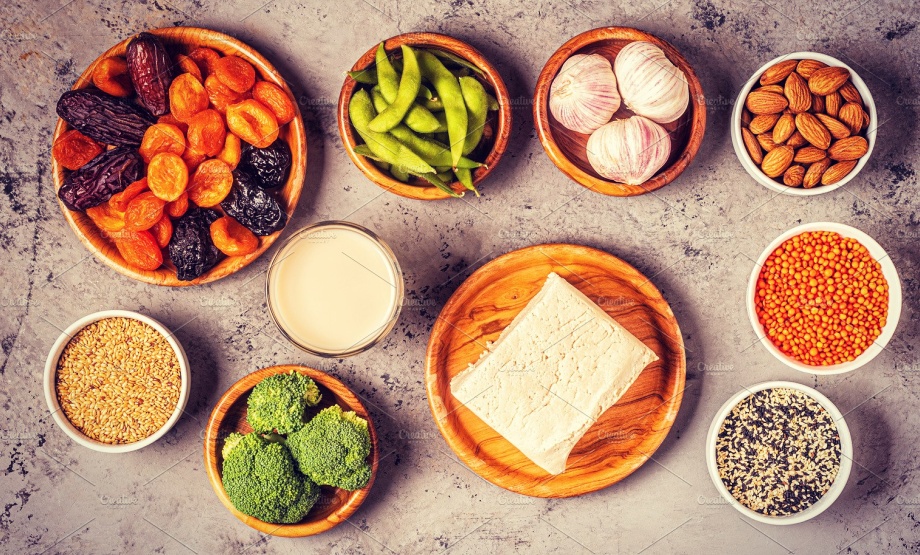
A Few Natural Remedies That Could Help Reduce Breast Pain and Tenderness:
Vitamin E supplements – some women report significant improvement in their pain and tenderness when taking vitamin E supplements, while others don’t show any significant effect at all. Instead of going for supplements you could up your vitamin E intake through the food you eat. Foods with high levels of vitamin E include leafy greens, broccoli, tomatoes, basil, red bell peppers, asparagus, butternut squash, kiwis, mangoes, avocados, and olive oil.
Evening primrose oil – has shown some great results in alleviating pain and tenderness. The recommended dose is 3 grams a day for 3 to 6 months.
Iodine supplementation: iodine deficiency may play a role in the development of breast cysts. Without iodine, the breast tissue becomes more sensitive to estrogens which may cause fibroadenomas.
Dandelion leaves, uva ursi, and yarrow – are all herbs that alleviate breast pain and swelling.
Poke root oil or castor oil have been used for ages to reduce painful breast lumps. Rub the oil in like a lotion.
Natural progesterone cream: many breast cysts or benign tumors are linked to dominant or high estrogen levels and low progesterone levels. Many women have experienced that the application of natural progesterone in a cream or gel routinely solves painful lumps in the breasts.
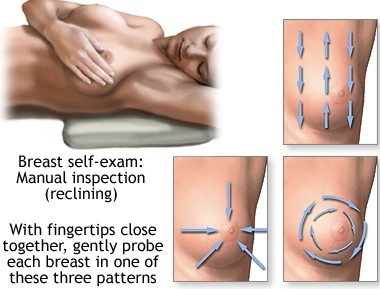
If you keep these simple lifestyle guidelines in mind you should see and feel some great results within 1 to 3 months. Make sure to exam your breast regularly.
If you feel a lump or lumps in your breast it is important to contact your doctor straight away to get it tested. It is important to know whether your lump is cancerous or not. Early detection of malignant tumors saves lives.
Have you struggled with breast lumps and bumps before? If so, feel free to share your experiences with us know in the comment below.
Amy Goodrich is a certified holistic nutritional therapist and former plant biologist. Her mission: inspiring people to adopt a more natural lifestyle to prevent/cure illness. Through her blog, Amy shares her own experiences with managing her husband's autoimmune disease through the power of whole foods. EatLove.Live covers strategies for doing so, with posts about how to gradually change your lifestyle. Amy is obsessed with cats, travel, and delicious plant-based foods that nourish and heal the body from the inside out.